
Michael Carrozzo
U.S. Army veteran and community leader
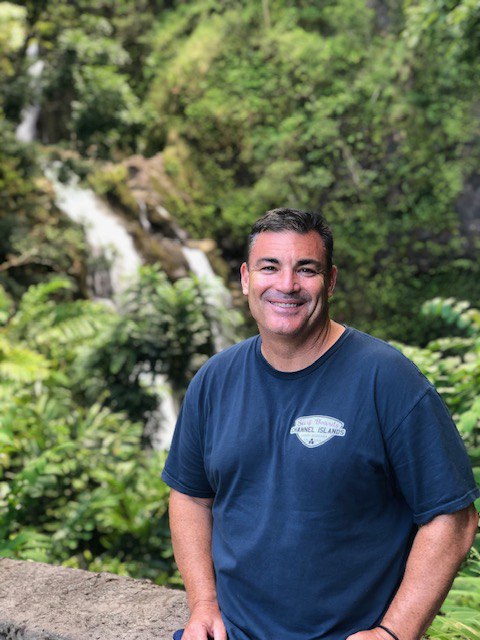
Can you introduce your work today and explain your role in it?
I am a U.S. Army veteran and community leader based in Santa Barbara. My work today centers on mentorship, veterans advocacy, and promoting disciplined, service-based leadership. I do not run a company. I focus on people. I mentor veterans, speak on leadership principles, and support community efforts tied to service and personal accountability. My role is hands-on. I share structured frameworks drawn from military experience. I emphasize discipline, clarity, and follow-through.
What operating model do you use in your work?
My work is direct and relationship-based. I do not use vendors or outside teams. Most of what I do is one-on-one mentoring, small group discussions, or participation in veterans-related initiatives. The structure is simple: clear expectations, defined outcomes, and steady communication. I operate with military habits—punctuality, preparation, and written follow-up.
How do you differentiate your approach from others in the leadership space?
I do not sell motivation. I teach structure. My framework is built on three elements: duty, discipline, and adaptability. In the Army, every decision had consequences. That mindset carries over. I focus on habits, not slogans. I stress preparation over inspiration.
Who do you primarily serve?
I work mainly with veterans, young professionals, and individuals seeking more structure in their lives. Over time, that focus has narrowed. Earlier, I spoke broadly about leadership. Now I concentrate more on veterans transitioning to civilian life and individuals who value accountability.
What are people usually seeking when they come to you?
Clarity. Most people are overwhelmed. They want structure. I walk them through practical systems: daily routines, physical discipline, time blocking, and defined goals. Nothing complicated. Just consistent execution.
How do you stay ahead when information moves quickly?
I rely less on trends and more on principles. Trends change. Discipline does not. I read widely, stay connected with veterans groups, and maintain direct conversations. Real feedback from real people matters more than headlines.
Do you see repeat engagement from the people you mentor?
Yes. Consistency builds trust. I maintain contact through regular check-ins. I expect accountability. When people see steady results from simple systems, they stay engaged.
How do you measure impact?
I look at behavioral change. Are routines being followed? Is stress reduced? Are goals clearly defined? I do not rely on surveys alone. I watch for consistency over time. Discipline is measurable through action.
What kind of ongoing support do you provide?
I stay available. That may mean periodic calls, structured follow-ups, or participation in community events. The goal is stability. Support should be steady, not dramatic.
How do you structure compensation for your time?
Many of my efforts are volunteer-based, especially with veterans. When I do structured leadership sessions, they are typically defined engagements with clear scope and time limits. I keep arrangements simple and transparent.
What does a typical engagement look like in scope?
The scope is usually defined by time, not cost. For example, a six-week accountability cycle. Weekly check-ins. Defined objectives. Clear start and end points. I do not extend projects without measurable progress.
Have you declined opportunities? What are your minimum standards?
Yes. If someone is not willing to commit to discipline, I decline. Minimum requirement is effort. I cannot do the work for someone else. Commitment is non-negotiable.
What challenges have you faced recently?
The biggest challenge is distraction. People struggle with focus. The solution is structure. Fixed schedules. Physical activity. Limited digital noise. These are basic but effective controls.
How do you adapt to change?
The Army trained me to adjust under pressure. I keep plans flexible but standards firm. If conditions change, the mission stays. The route adjusts.
What role does culture play in your work?
Culture is everything. In the military, culture determines performance. In civilian life, it is the same. I build culture through example—punctuality, preparation, calm under stress.
Where do you see your work in five to ten years?
I plan to stay focused on veterans and structured leadership mentoring. Scale is not the goal. Depth is. I want measurable impact, not visibility.
How has your leadership style evolved?
Earlier in my life, I focused on performance. Over time, I learned patience. Leadership is steady. It is not loud. Calm authority is more effective than intensity.
What trends are you paying attention to?
Mental health awareness among veterans is critical. Also, the growing interest in structured living and outdoor activity. Physical discipline supports mental clarity. That connection matters.
What advice would you give to aspiring leaders?
Build habits before ambition. Set a routine and follow it. Keep your word. Stay calm under pressure. Leadership is earned through consistency. Titles are temporary. Discipline lasts.