
Neiman Young
Executive Coach and retired U.S. Army officer
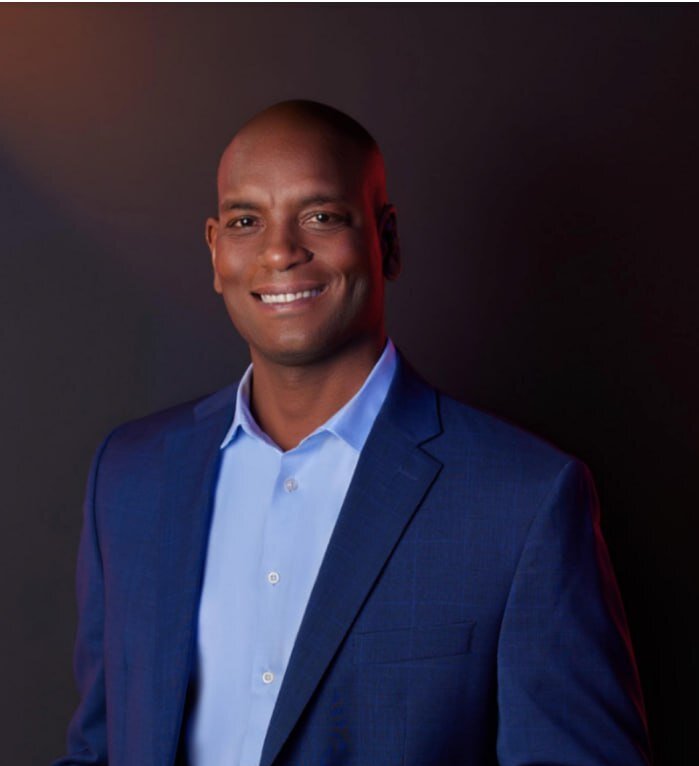
Please introduce your executive coaching practice and describe your role.
I am an executive coach, retired U.S. Army officer, and former municipal leader. My work focuses on helping senior leaders improve clarity, decision-making, resilience, and long-term effectiveness. I bring more than 23 years of military leadership experience and additional experience leading large public-sector organisations. Today, I work directly with leaders who want to strengthen their leadership systems and align their actions with their priorities.
What is the core model behind your coaching and leadership work?
My approach is highly personalised. I work directly with leaders rather than relying on large teams or standardised programmes. The process combines coaching conversations, structured reflection, leadership assessments, and practical implementation. My focus is not on theory. It is on helping people create systems they can use consistently.
How do you differentiate yourself in a crowded coaching market?
My perspective comes from leading in complex environments. I have commanded military units, managed large government organisations, and overseen significant budgets and teams. I focus on practical leadership rather than abstract concepts. Clients are looking for clarity, structure, and accountability. That is what I provide.
Who do you primarily serve, and how has that evolved over time?
My focus is on senior executives, public-sector leaders, and professionals responsible for leading people and organisations. Over time, my work has become increasingly centred on helping experienced leaders strengthen their effectiveness and maintain alignment between their values and responsibilities.
What are the most common reasons people seek your guidance?
Most leaders come to me because they want greater clarity. Some are navigating growth. Others are managing complex responsibilities. Many want to improve decision-making, strengthen communication, or create a more structured approach to leadership. The common thread is usually a desire to lead with greater intention.
How do you stay ahead of changes in leadership and organisational performance?
I invest heavily in continuous learning. I read widely, attend training programmes, engage with experienced peers, and maintain my own coaching relationships. I also learn from the leaders I work with. Every organisation presents different challenges, and those experiences provide valuable insight.
Do you work with clients over extended periods of time?
Yes. Leadership development is rarely a one-time event. Many clients continue working with me because leadership challenges evolve. As responsibilities grow, the need for trusted guidance and structured reflection often grows as well.
How do you measure success in your work?
I focus on outcomes. Are leaders making better decisions? Are they operating with greater clarity? Are they creating stronger alignment between goals and actions? Client feedback is important, but I also look for measurable improvements in consistency, communication, and execution.
What kind of ongoing support do you provide?
My support typically extends beyond scheduled coaching sessions. Leaders often need a sounding board between major decisions or transitions. I aim to provide continuity, perspective, and accountability throughout the coaching relationship.
How do you structure coaching engagements?
Engagements vary depending on the client’s needs and objectives. Some focus on leadership development, while others centre on organisational challenges or strategic priorities. The structure is customised rather than standardised because every leader operates in a different environment.
What determines whether someone is a good fit to work with you?
The most important factor is commitment. I work best with leaders who are willing to reflect, evaluate their assumptions, and take action. Coaching works when people are prepared to engage honestly with the process.
Have you ever declined an engagement?
Yes. If expectations are not aligned or if someone is looking for quick fixes, I may recommend a different resource. My work is focused on sustainable development and long-term effectiveness rather than short-term solutions.
What challenges have shaped your professional journey?
Every stage of my career brought new challenges. Military leadership required adaptability under pressure. Local government required balancing competing priorities across large systems. One of the biggest lessons was learning that leadership is not about having all the answers. It is about creating alignment and helping people move forward together.
How do you encourage innovation and growth?
I encourage leaders to remain curious. Innovation often begins with asking better questions. I also believe in learning through experimentation. Some of the best improvements come from testing ideas, gathering feedback, and refining the approach.
What role does culture play in leadership success?
Culture influences everything. Strategy matters, but culture determines how consistently that strategy is executed. Trust, accountability, communication, and shared purpose create the foundation for strong performance.
What are your long-term goals for your work?
I am focused on expanding my impact through executive coaching and through a nonprofit organisation dedicated to self-care, health, and wellness for senior leaders. My goal is to help more leaders build sustainable leadership practices that support long-term effectiveness.
How has your leadership style evolved over time?
Early in my career, I focused heavily on execution. Over time, I came to appreciate the importance of listening, emotional intelligence, and creating space for others to contribute. Today, I believe strong leadership combines accountability with empathy.
What emerging trends are you most interested in?
I am interested in how technology can support leadership development, improve communication, and increase access to coaching and professional growth resources. Technology will continue to change how leaders learn and collaborate, but human judgement and relationships will remain essential.
What advice would you give to leaders who want to increase their impact?
Focus on clarity. Know what matters most and align your actions accordingly. Create systems that support consistency. Stay open to feedback. Most importantly, remember that leadership is not about individual achievement. It is about helping others succeed. One lesson that has stayed with me throughout my career is that meaningful impact is built over time through discipline, alignment, and steady execution.
More REVERB Interviews
- Yosef Rabi — Real Estate Investor
- Javier Burillo Azcárraga — Founder and Chairman
- Dragos Teodor — Automotive Sales Manager
- Nick Miccarelli — CEO
- LaTosha Kerley — HR Business Partner
- Ty Ross — Staff Attorney
- Timothy Caraboolad — Entrepreneur / Real Estate Developer / Designer
- Sarah Fowlkes — Client Account Manager