
Richard Bernstein
Michigan Supreme Court Justice
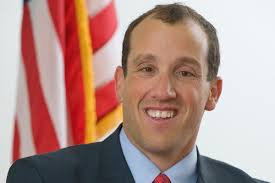
Please introduce your role on the Michigan Supreme Court and how you shape impact through your work.
I serve as a Justice on the Michigan Supreme Court. My role is to review cases, interpret the law, and ensure decisions are fair and grounded in real-world impact. I focus on how rulings affect people in practice. Not just theory. That means asking how a decision changes access, opportunity, and daily life for individuals across Michigan.
How do you think about building systems to deliver fair and effective legal outcomes?
I rely on structured preparation. I use screen-reading software and audio tools to review briefs. I break complex cases into smaller components. Legal reasoning is a system. It requires consistency, not improvisation. I also depend on collaboration with clerks and staff. Clear communication is essential. Everyone needs to understand the goal and the process.
From your perspective, how do you ensure your work stands out in a complex legal environment?
I focus on execution. Many people understand legal principles. Fewer translate them into outcomes people can use. I look at how decisions apply on the ground. If a ruling does not improve clarity or access, it needs more work. That standard keeps the work practical.
Which communities do you feel most responsible for serving, and how has that evolved?
I serve all residents of Michigan. That said, my work has consistently focused on individuals with disabilities. That comes from lived experience and legal practice. Over time, my perspective has broadened. Accessibility improves systems for everyone. It is not a niche issue.
What problems most often come before you, and how do you decide what to focus on?
The Court reviews legal disputes, not chosen projects. My focus is on clarity and fairness in each case. When issues involve access or systemic barriers, I pay close attention. Those cases often reveal where systems break down.
How do you stay ahead in a field where information and precedent are constantly evolving?
I stay disciplined in my process. I review case law regularly. I prepare thoroughly. I also take time to think. Walking helps me process information. It slows things down enough to see patterns and gaps.
What does long-term trust look like in your role?
Trust comes from consistency. People may not agree with every decision. But they should understand how the decision was reached. Clear reasoning builds credibility over time.
How do you define success in your work, and how do you measure it?
Success is clarity, fairness, and usability. A decision should be understandable and applicable. I look at whether rulings reduce confusion and improve outcomes over time. Some impact is immediate. Some takes years.
What responsibility do you carry beyond individual decisions?
Each decision contributes to a larger legal framework. I think about precedent. I think about how future courts and communities will rely on what we establish. That responsibility does not end when a case closes.
How do you think about value in your work, given that it is public service?
Value is measured in impact. If a decision improves access or fairness, it has value. Public trust is also a form of value. It must be maintained through consistent work.
How do you balance accessibility with maintaining high standards in the legal system?
Accessibility and excellence are not in conflict. Clear systems improve both. When processes are understandable, outcomes improve. The goal is not to lower standards. It is to remove unnecessary barriers.
Have you ever declined an opportunity or approach that seemed effective but did not align with your principles?
Yes. Early in my career, I realized that quick solutions often overlook long-term consequences. I shifted toward approaches that take more time but produce durable results. That principle guides my work.
What have been the most meaningful challenges in your career, and how did they change your approach?
My accident in 2012 was a major challenge. I spent months recovering after being struck in Central Park. It forced me to slow down. I learned to focus on incremental progress. That approach applies to my work now.
How do you create space for new ideas while maintaining discipline in your work?
I separate thinking time from execution time. I allow space to explore ideas during walks or training. When I return to work, I apply structure. That balance keeps ideas grounded.
What role does discipline play in your performance?
Discipline is central. I train regularly as a marathon runner. I prepare thoroughly for cases. The same principle applies to both. Consistent effort leads to reliable outcomes.
Looking ahead, what long-term impact do you want your work to have?
I want systems to be more accessible and fair. That includes legal systems and public spaces. Progress should be measurable. More access. Fewer barriers.
How has your approach to your work evolved over time?
I used to focus on speed. Now I focus on endurance. Long-term progress matters more than short-term output. That shift has improved my effectiveness.
Which developments are you paying attention to that could improve how people are served?
Universal design. When systems are built to include everyone from the start, they function better. That applies to buildings, technology, and legal processes.
What advice would you give to someone stepping into a leadership or public service role?
Prepare consistently. Focus on execution. Do not rely on intensity alone. Sustainable effort matters more.
What is one lesson that changed how you approach your work?
Obstacles provide information. Instead of avoiding them, study them. They show where systems need improvement.