
Ron Mix
Pro Football Hall of Fame member and attorney
Mix, Namanny & Berger
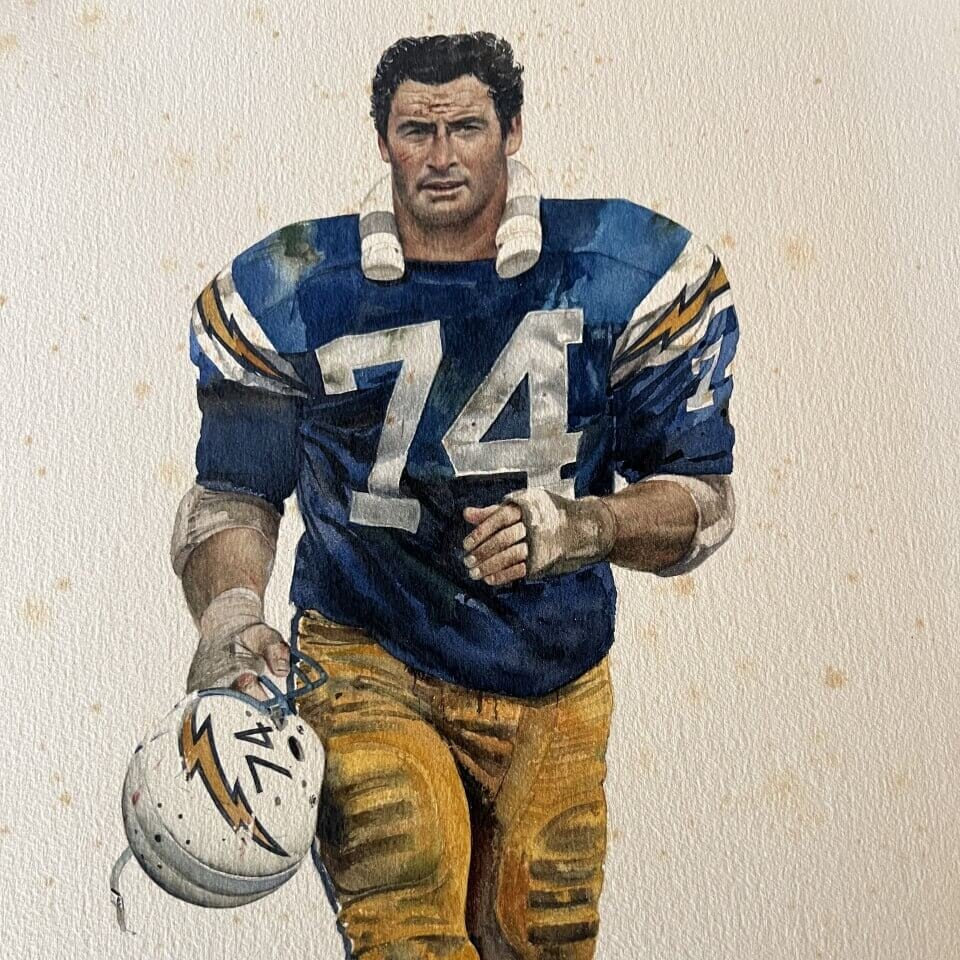
Please introduce your legal practice and describe your role today.
I currently practice with Mix, Namanny & Berger in Orange County, California. The firm focuses heavily on representing retired professional athletes in workers’ compensation matters. My role includes helping bring in new clients, advising on cases, and sharing my experience from both the legal profession and professional sports. I also serve as President of the Pro Football Retired Players Association.
What is the firm’s operating model?
We have an in-house legal team that manages our cases. Our work requires specialized knowledge of workers’ compensation law and professional sports, so most of that expertise stays within the firm. We work directly with clients and coordinate with medical professionals and other specialists when necessary. The legal strategy and client relationships remain our responsibility.
How do you differentiate yourself in a specialized legal market?
The biggest difference is that I have lived the experience of the people we represent. I played professional football for twelve years. I understand what it means to leave the game and deal with the physical consequences years later. That perspective helps us understand our clients’ situations in ways many firms cannot.
Who do you serve, and how has that focus evolved?
Our primary focus has been on retired professional athletes. Over time, the firm’s work expanded to include athletes from every major professional sport. The core mission has stayed the same. We help people who have devoted their careers to sports and later need assistance navigating benefits and claims systems.
What services are clients most often seeking?
Most clients come to us for workers’ compensation representation. Many are dealing with injuries that developed over the course of long careers. They want guidance through a process that can be complex and difficult to navigate on their own.
How do you stay informed about changes in your field?
I pay attention to developments in both law and professional sports. I stay connected to former players, industry organizations, and legal professionals. Direct conversations are often more valuable than headlines. The issues affecting retired athletes tend to surface in real-world experiences before they appear in broader discussions.
Do you have a high percentage of referrals or repeat relationships?
Yes. Many of our clients come through referrals from former clients, agents, and professional networks. Trust plays a major role in our field. People often recommend firms based on results and how they were treated during the process.
How do you measure client satisfaction?
The most important measure is whether we helped solve a problem for the client. We also pay attention to communication. Clients deserve to understand what is happening with their cases. If people feel informed, respected, and effectively represented, it usually leads to positive outcomes.
What kind of ongoing support do you provide?
Many relationships continue after a case concludes. Former athletes often have additional questions or concerns over time. We try to remain available as a resource. Our work is built on long-term relationships, not just individual cases.
How does your billing structure generally work?
Workers’ compensation matters often follow legal fee structures established by law and regulatory systems. The exact arrangement can vary depending on the matter. The important point is that clients understand the process and expectations from the beginning.
What is the typical value of the cases you handle?
The value varies significantly because every athlete’s circumstances are different. Factors include the nature of the injuries, career history, and applicable benefits. Because cases differ so widely, there is no meaningful average that applies across the board.
Have you ever declined a case?
Yes. Not every matter is a good fit. We look for cases where we believe we can genuinely help. We are careful about taking on matters where expectations, legal realities, or available remedies do not align.
What challenges have you faced in recent years?
Like many professionals, I have experienced challenges throughout my career. The legal profession requires accountability and resilience. One lesson I have learned is that setbacks do not eliminate the value of experience. What matters is how you respond, continue learning, and continue serving others.
How do you adapt to changes in the legal and sports industries?
We pay close attention to emerging issues affecting athletes. Medical research, benefits programs, and legal regulations continue to evolve. We adjust by staying informed and focusing on our clients’ practical needs rather than chasing trends.
What role does culture play in your work?
Culture is extremely important. Our work involves trust. We try to create an environment where clients feel heard and respected. Internally, professionalism and integrity matter. Those values influence every interaction.
Where do you see the firm in the next five to ten years?
I would like to see the firm continue helping retired athletes across the country. The need is still there. Our team has developed significant experience in this area of law, and my hope is that we continue building on that foundation while remaining a trusted resource for retired professional athletes and their families.
How has your leadership style evolved throughout your career?
Football taught me teamwork and discipline. The legal profession taught me patience and perspective. Early in my career, I focused heavily on performance. Today, I spend more time listening. Experience teaches you that good decisions often come from understanding different viewpoints.
What developments are you most interested in today?
I am particularly interested in advances related to athlete health and long-term care. There is growing awareness of the challenges former athletes face after retirement. A better understanding of those issues can lead to better support systems.
What advice would you give to professionals building their careers today?
Prepare for what comes next. That lesson served me well in football and in law. Careers change. Industries change. The people who adapt tend to be the ones who continue creating value. I would also say that reputation matters. People remember how you treat them. Over the long term, integrity and consistency become some of your most valuable assets.
More REVERB Interviews
- Leonard Cagno — Partner
- Blake Sloggy — Logistics Account Executive
- Coogan Smith — Partner
- Neiman Young — Executive Coach and retired U.S. Army officer
- Manuel Rivera — Lifelong New Yorker and Community Advocate
- Yosef Rabi — Real Estate Investor
- Tangela Q. Parker — Enterprise Leader
- Christopher O’Reilly — Marine Technician