
Sam Kazran
Executive Manager
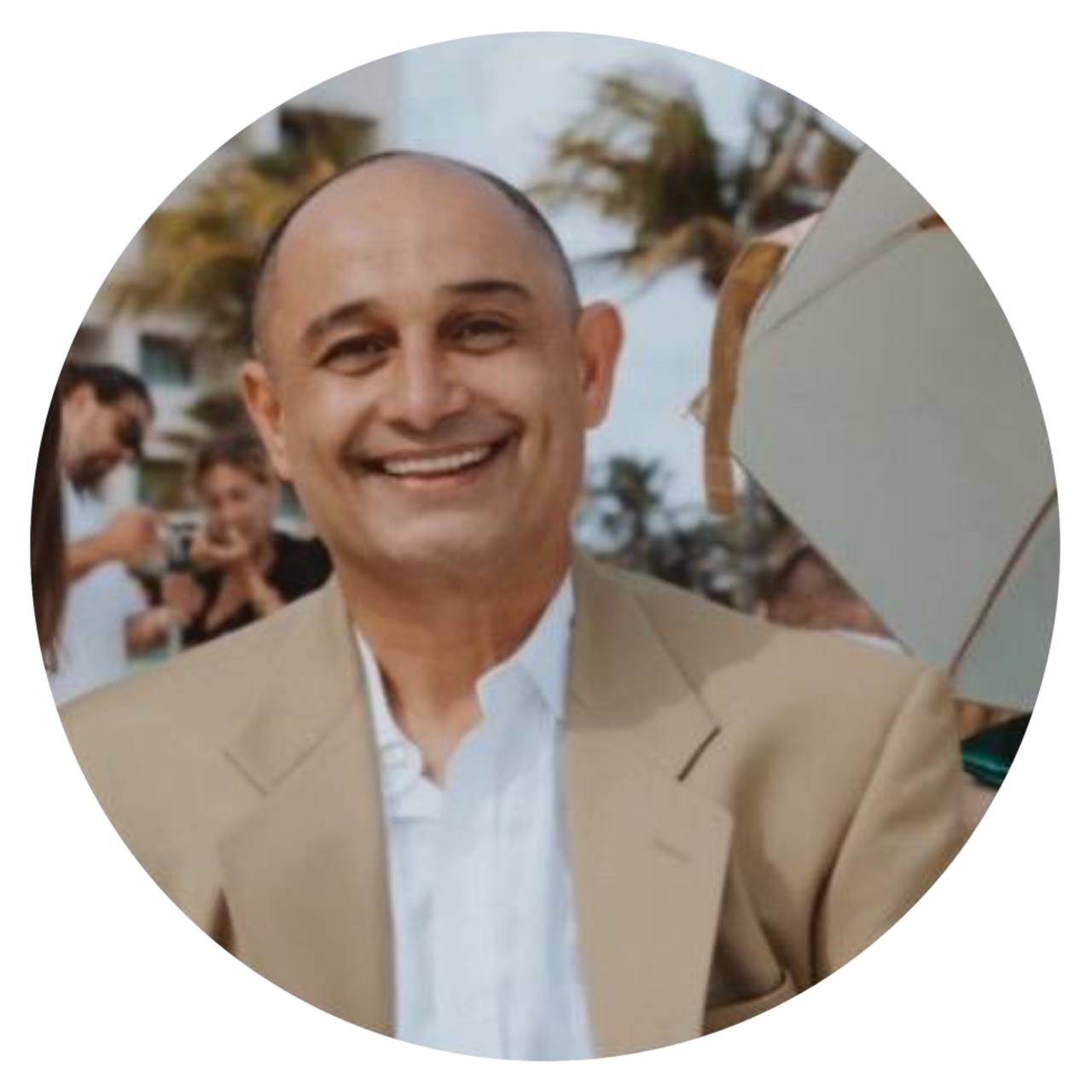
Please introduce your organization and describe your role as an executive leader.
I serve as an executive manager focused on operations, execution, and system design. My role is to turn strategy into action. I work with internal teams and stakeholders to define outcomes, remove friction, and ensure delivery. I am accountable for timelines, clarity of ownership, and operational performance. My job is not to generate noise. It is to create results.
What is your core operating model – do you rely on internal teams, outside partners, or a hybrid structure?
We operate with a core internal team supported by selective outside partners when needed. Internal teams handle strategy, execution planning, and accountability. External partners are used for specialized tasks with clear scopes. I avoid diffuse responsibility. Every initiative has one owner. That structure reduces delay and confusion.
How do you differentiate your leadership and operations approach in a crowded environment?
We differentiate through clarity and speed. Most organizations add process when pressure increases. I remove it. I focus on three priorities at a time. I limit meetings. I define outcomes in one sentence. If a plan cannot be explained quickly, we simplify it. This reduces decision fatigue and increases follow-through.
What sectors or operational environments do you primarily work within, and how has that evolved?
My work has centered on business development, operations leadership, and executive management. Over time, the focus shifted from growth initiatives to system optimization and performance under pressure. The environment changes, but the core work stays the same: align goals, clarify roles, execute cleanly.
What are the most common challenges you are brought in to solve?
Stalled initiatives. Overcomplicated systems. Unclear accountability. Teams working hard but not moving forward. I begin by defining the finish line. Then I reverse plan. Then I remove steps that do not serve the outcome. That usually restores momentum quickly.
How do you stay ahead when information is always shifting?
I do not chase trends. I track fundamentals. I review outcomes weekly. I look at what slowed us down and what accelerated progress. I speak directly with operators closest to the work. Data is useful. Firsthand clarity is better.
Do you see repeat engagement or continued trust from teams and stakeholders? If so, why?
Yes. Trust comes from predictability. I do not over-promise. I communicate in plain language. When timelines shift, I address it early. People return to systems that feel stable and fair.
How do you measure performance and satisfaction in your operations?
We measure three things: on-time delivery, clarity of ownership, and issue resolution speed. If deadlines are met, roles are clear, and problems are resolved quickly, satisfaction tends to follow. I also solicit direct feedback after major milestones. Short conversations. Direct questions.
What kind of post-project follow-through do you maintain?
Every major initiative has a review. We ask what worked, what failed, and what will change next time. We document process adjustments. Execution improves when learning loops are tight. I do not consider a project complete until lessons are captured.
How do you structure accountability and resource allocation?
Resources follow priority. I cap active priorities at three major tracks at a time. Each track has a single accountable lead. Deadlines are firm but realistic. Billing models depend on context and scope. Specific financial ranges are not public.
Have you turned down initiatives based on scope or clarity? What are your minimum requirements?
Yes. I decline work when goals are vague, ownership is unclear, or there is resistance to simplifying the system. My minimum requirement is a defined outcome and a decision authority. Without those, progress stalls.
What key challenges have you faced in recent years, and how did you address them?
The main challenge has been decision drag. Too many inputs. Too many stakeholders. The solution was to compress decision windows. I implemented timeboxing for major calls. I reduced standing meetings. I clarified escalation paths. That restored speed.
How do you foster innovation while maintaining operational discipline?
Innovation works best inside constraints. I set guardrails. Clear timelines. Clear scope. Clear owner. Within that structure, teams can experiment. Without structure, experimentation becomes distraction.
What role does culture play in execution?
Culture determines speed. If people feel safe to speak clearly and take ownership, decisions move. I reinforce culture by modeling direct communication and calm response under pressure. I do not reward theatrics. I reward clarity.
Where do you see your leadership focus in the next 5–10 years?
I will continue refining systems that scale without chaos. I am also focused on education and philanthropic structure through my work with Orphans Worldwide. Long term, I want systems that outlast individuals.
How has your leadership style evolved?
Early in my career, I tried to solve everything personally. That created bottlenecks. I learned to delegate with clarity. I now focus on removing obstacles instead of controlling details. That shift improved both speed and morale.
What emerging shifts are you watching closely?
I am watching workflow automation and decision-support tools. Technology can remove repetitive tasks. It cannot replace judgment. The goal is to free leaders to think, not overwhelm them with more data.
What advice would you give to aspiring executives?
Define the outcome before you define the plan. Limit active priorities. Assign clear ownership. Review daily. Remove what does not matter. One lesson stands out: hesitation causes more damage than a well-considered decision. Act with clarity.
Final Note
Execution is a discipline. It is not dramatic. It is repeatable. When systems are simple and ownership is clear, results follow.