
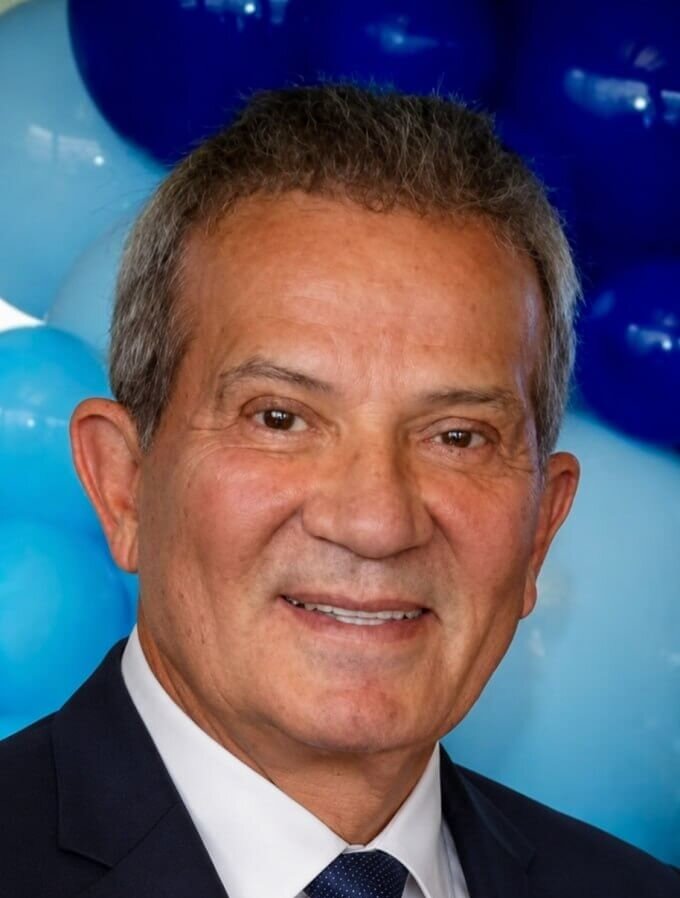
Shahriar James Ekbatani
Chairman of the Board
Lotus Behavioral Health
Please introduce your organizations and describe your role within them.
I serve as Chairman of the Board of Lotus Behavioral Health, a nonprofit organization dedicated to helping adolescents between the ages of 12 and 17 overcome drug and alcohol addiction. In addition to that work, I am involved in commercial real estate development throughout Florida. My career spans more than 40 years in healthcare, where I worked in hospital consulting, operations leadership, and healthcare entrepreneurship before selling my healthcare company to a national firm in 2018. Today, my focus is divided between expanding the impact of Lotus Behavioral Health and overseeing development projects in high-growth Florida markets.
How do you structure your work across nonprofit leadership and real estate development?
Both areas require strong partnerships and disciplined execution. In real estate, I work with engineers, architects, contractors, attorneys, municipalities, and business operators. In the nonprofit sector, we work with behavioral health professionals, families, and community partners. My role is to define the desired outcome, evaluate opportunities, allocate resources, and make sure we stay focused on long-term objectives.
How do you differentiate yourself in highly competitive industries?
I focus on outcomes. A lot of people get distracted by activity. I start with the end result and work backward. That approach helped me build a healthcare company, launch Lotus Behavioral Health, and identify development opportunities in places like Lake Nona, The Villages, and downtown Orlando before they reached their current level of visibility.
What sectors have you worked in throughout your career, and how has that evolved over time?
Healthcare was my foundation. I spent more than four decades in hospital consulting, healthcare operations, executive leadership, and business ownership. After selling my company in 2018, I expanded into commercial real estate development. Today my work involves healthcare, behavioral health, retail, medical, hospitality, and mixed-use real estate projects. While the industries are different, the underlying principles are the same: understand the need, build the right team, and focus on execution.
What types of projects occupy most of your attention today?
Several projects are keeping me busy right now. One is Eola Food Hall in downtown Orlando, which is expected to become a major gathering place for residents and visitors. I am also involved in retail and medical developments serving The Villages region, one of the fastest-growing areas in the country. Another project traces back to land I acquired in Lake Nona years ago that later evolved into a significant commercial development opportunity as the area expanded. In addition, I have completed acquisitions and dispositions of commercial properties in Palm Beach County. Alongside all of that, Lotus Behavioral Health remains a major priority.
How do you stay ahead of industry changes?
I pay close attention to long-term trends. Years ago, I saw potential in Lake Nona before much of the growth occurred. Population growth, infrastructure investment, healthcare demand, and business migration are indicators I watch closely. The same approach has guided my investments near The Villages and in other Florida markets. By the time a trend is making headlines, I am usually looking several years ahead.
How do you build long-term relationships with partners and stakeholders?
Trust is earned through consistency. Throughout my career, I have found that people remember whether you follow through on commitments. Many of the relationships I have today were built over years of working together on healthcare initiatives, development projects, and community efforts. Long-term relationships come from delivering results and being transparent when challenges arise.
How do you measure success?
I measure success by outcomes. In healthcare, it was about improving operations and creating value. At Lotus Behavioral Health, success means helping young people and families build healthier futures. In development, success means creating projects that serve communities and remain relevant for years. Activity alone does not create value. Outcomes do.
How do you stay involved after a project is completed?
I stay engaged because long-term performance matters. A development project does not end when construction is complete. The same is true in healthcare and nonprofit work. I want to know whether the original goals are being achieved and whether adjustments need to be made. Continuous evaluation is important.
How do you approach investment and development decisions?
I begin by looking at the desired outcome. Then I evaluate whether the fundamentals support that outcome. For example, when I became involved in projects near The Villages, the population growth trends were compelling. The same was true in Lake Nona. In both cases, the growth drivers suggested long-term demand for commercial development. I try to make decisions based on fundamentals rather than short-term excitement.
Have you ever walked away from opportunities?
Absolutely. Every opportunity is not the right opportunity. Some projects do not align with my objectives. Others may not have the right timing or economics. One of the most valuable lessons in business is learning when not to proceed. Saying no is often just as important as saying yes.
What have been some of the biggest challenges in your career?
One significant challenge occurred during my healthcare career when our company faced legal and competitive pressures related to relationships we had built with hospitals. We had to adapt and move in a different direction. It was difficult, but it reinforced the importance of perseverance. Challenges are part of every career. The key is continuing to move forward.
How do you encourage innovation?
Innovation starts with being willing to question assumptions. In healthcare, we constantly looked for better ways to operate. In real estate, I look at how communities are evolving and what services they will need in the future. Projects like Eola Food Hall reflect that mindset. It is not just about developing space. It is about understanding how people want to gather, work, and interact.
What role does culture play in leadership?
Culture is critical. People perform best when they understand the mission and believe in it. At Lotus Behavioral Health, the mission is helping young people overcome addiction. In development projects, the mission is creating long-term value for communities. A strong culture creates alignment and accountability.
Where do you see your work in the next five to ten years?
I would like to see Lotus Behavioral Health expand its reach and help more families. On the development side, I expect to continue pursuing projects in growing Florida markets. I believe there will be continued opportunities in healthcare-related real estate, retail development, hospitality, and mixed-use projects. My goal is to create projects that remain valuable long after they are completed.
How has your leadership style changed over the years?
Experience has taught me patience. Earlier in my career, I focused more on solving immediate problems. Today, I spend more time thinking about long-term outcomes, developing people, and evaluating opportunities from a broader perspective. I have learned that sustainable success comes from consistency rather than speed.
What market shifts are you most excited about right now?
Florida’s continued growth is creating opportunities across multiple sectors. The demand for healthcare services, behavioral health resources, commercial development, hospitality, and community-focused projects continues to increase. Markets like Lake Nona and The Villages demonstrate what happens when population growth, infrastructure investment, and economic development come together.
What advice would you give future business leaders?
Perseverance is one of the most important qualities you can develop. Every career includes setbacks. I have experienced them myself. What matters is how you respond. One lesson that has guided me throughout my career is to define the outcome first. Once you know what success looks like, you can build a plan to achieve it. Without a clear outcome, it becomes much harder to make good decisions and stay focused on what matters.