
Shelton Powell
CEO
Cart Capital
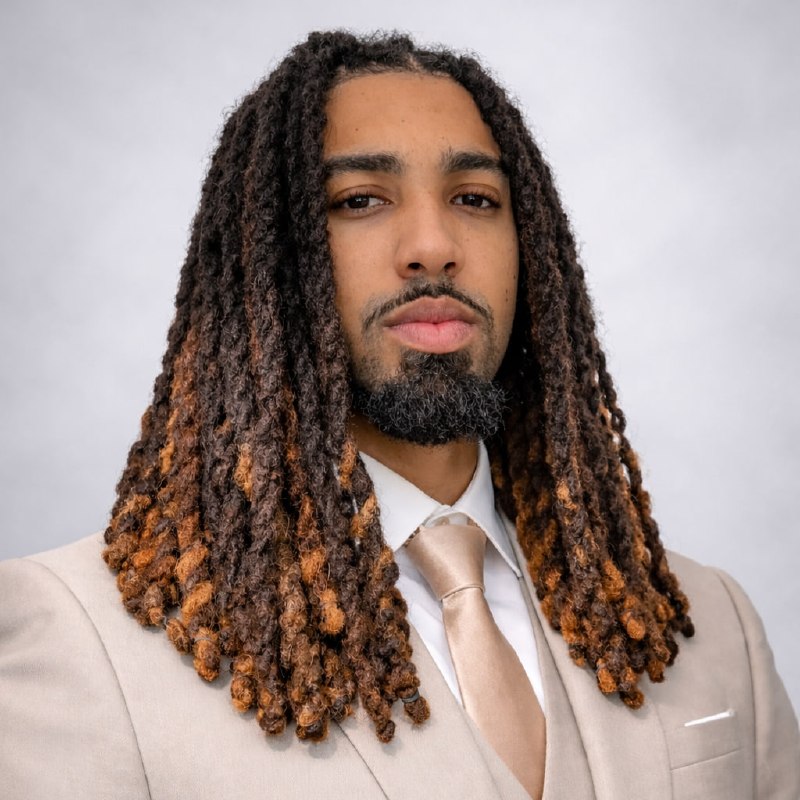
Can you introduce Cart Capital and explain your role in the company?
I’m the founder and c. We’re an ecommerce infrastructure company focused on helping operators build scalable online brands through systems, backend operations, and operational structure. My role is heavily tied to strategy, systems design, team oversight, and solving operational bottlenecks. I stay close to the work. I’m not interested in building a business where leadership becomes disconnected from execution. Most of my time goes into improving infrastructure, identifying weak points in operations, and making sure the systems underneath the company can support growth long term.
What is Cart Capital’s operating model and how is the work structured internally?
We operate with a hybrid structure. We have an internal team that handles core functions tied to strategy, systems, operations, media buying, creative oversight, and client infrastructure. We also work with specialized external partners where it makes sense operationally. The key is control. We don’t outsource critical thinking or foundational systems. We build processes internally first, document them, and then decide where outside support makes sense. Everything runs through systems, workflows, and accountability structures. That’s the only way you can scale without chaos.
How does Cart Capital differentiate itself in ecommerce?
Most companies in ecommerce sell hype. We focus on infrastructure. That’s the difference. A lot of operators know how to launch something. Very few know how to build systems that survive scale. We focus on supplier relationships, backend operations, payment infrastructure, creative systems, operational workflows, and scalability. We think long term. We’re not trying to create temporary spikes. We’re building brands that can actually operate consistently.
What types of businesses do you primarily work with today?
Most of the businesses we work with are ecommerce brands, operators, and founders who already understand the value of systems and operational structure. Earlier on, I worked heavily with influencers launching merch brands and operators trying to figure out ecommerce from scratch. Over time, the work evolved toward infrastructure-heavy projects. Now the focus is less on entry-level execution and more on scalable operations and backend efficiency.
What services are clients usually coming to you for?
The biggest demand is operational infrastructure. That includes business setup, backend systems, supplier coordination, media buying structure, creative workflows, payment processing setup, and scaling systems. A lot of people can generate sales temporarily. The problem starts when volume increases and operations collapse underneath it. Most of the work we do is solving for that problem before it happens.
How do you stay ahead in an industry that changes constantly?
I stay close to the work itself. Most industry commentary becomes outdated almost immediately. Real insight comes from operating. I pay attention to what’s breaking, where bottlenecks are forming, what customer behavior is changing, and how platforms evolve operationally. The lessons come from execution, not theory. I learn more from systems failing in real time than from consuming content about the industry.
Do you see strong client retention? What drives that loyalty?
Yes. Retention comes from solving real operational problems. If you build systems that actually improve somebody’s business, they stay. Most people are tired of surface-level solutions. They want reliability, communication, structure, and consistency. We focus heavily on execution and transparency. We don’t overpromise. We focus on outcomes.
How do you measure customer satisfaction internally?
We measure operational performance first. Are systems functioning properly? Are bottlenecks decreasing? Is communication improving? Are outcomes more consistent? Client satisfaction usually follows operational stability. Beyond that, responsiveness matters. Clients want clarity. They want to know problems are being handled quickly and properly.
What kind of support do clients receive after implementation?
Support depends on the structure of the engagement, but generally we stay involved operationally. Ecommerce changes constantly, so systems need ongoing refinement. We help clients adjust workflows, improve infrastructure, and solve operational issues as they evolve. Most scaling problems don’t appear immediately. They appear later under pressure.
How is pricing typically structured at Cart Capital?
It depends on scope. Some projects are fixed-fee based. Others are milestone-driven or tied to longer-term operational support. Infrastructure work varies heavily depending on complexity, scale, and operational needs. I don’t believe in one-size-fits-all pricing because no two operational problems are identical.
What project sizes are the best fit for your company?
The best fit is usually operators who are serious about building long-term infrastructure. We’re not a fit for people looking for shortcuts or unrealistic expectations. We care more about operational alignment than project size itself. If someone values systems, scalability, and structure, the relationship usually works well.
Have you turned down projects before?
Absolutely. Sometimes the expectations are unrealistic. Sometimes the scope doesn’t align with what we do. Other times people want outcomes without committing to the operational work required to achieve them. We’re very intentional about who we work with because weak alignment creates problems for everyone involved.
What major challenges has the business faced over the last few years?
Scaling systems and people at the same pace is always difficult. Systems breaking under growth is something every operator faces eventually. I call those moments transitional periods. Every time operations broke, it forced me to rebuild stronger systems underneath the business. Those moments taught me the importance of resilience, documentation, process control, and emotional discipline during pressure.
How do you encourage innovation inside the company?
Innovation usually comes from pressure points. We pay attention to inefficiencies and solve them aggressively. The culture is very solutions-oriented. If something breaks, the conversation immediately becomes: what needs to happen next? That mindset creates constant operational improvement.
What role does company culture play in long-term success?
Culture determines whether systems hold together under pressure. We value accountability, communication, ownership, and selflessness. Ego destroys operations quickly. The best teams are aligned around outcomes, not individual recognition. When people genuinely care about the mission and the people around them, performance improves naturally.
Where do you see Cart Capital over the next 5 to 10 years?
The long-term vision is deeper infrastructure control. That includes supply chain systems, fulfillment infrastructure, operational frameworks, and scalable backend ecosystems that support ecommerce brands globally. I’m less interested in visibility and more interested in building systems that become extremely difficult to replace.
How has your leadership style evolved over time?
Earlier on, I probably relied too much on belief alone. I believed in people deeply, sometimes more than they believed in themselves. Over time I learned the importance of structure, accountability, and alignment. Leadership now is more intentional. I focus heavily on clarity, operational expectations, and making emotionless decisions when necessary.
What emerging trends are you paying the closest attention to?
AI-driven operational systems are important. Backend automation is becoming increasingly valuable. But I think the real advantage will still come from operators who understand systems deeply, not just tools. Tools change constantly. Operational thinking matters more.
What advice would you give to founders building companies today?
Focus on systems earlier than you think you need to. Most businesses fail operationally before they fail financially. Learn how things actually work underneath the surface. Stay close to the work. And don’t confuse activity with progress. Real growth comes from solving meaningful problems consistently over time.