
Sophia Rosing
Operator / Experimenter
Please introduce your work and describe your role in it.
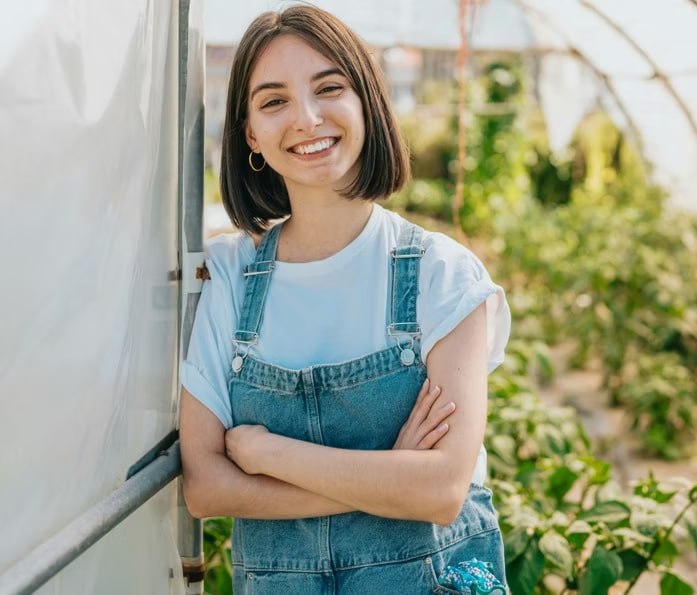
I run a small lifestyle practice built around simple systems. My work focuses on home gardening, recipe development, and routines that people can repeat in real life. I test ideas in small ways first. If something works more than once, I keep it. If it fails, I change one step and try again. My role is operator and experimenter. I design the routines, run them daily, and document what holds up over time.
What is the core model behind the work you do?
It is mostly self-run. I keep the structure small. The work happens through daily routines. I grow ingredients, cook with them, track what works, and refine. No large team. No complex vendor chain. The model depends on repeatable habits, not scale.
How do you stand out in a crowded lifestyle and food space?
I focus on systems instead of trends. Many people chase the newest idea. I test what lasts. For example, I once changed my watering schedule after noticing curled leaves on a tomato plant. That adjustment improved the entire season. I apply the same method to recipes. If a sauce works only once, it is not finished.
Who does your work serve?
People who want simple routines that fit into real life. Many are beginners with gardening or cooking. Others want systems that reduce stress. Over time the focus has moved toward small food production and everyday structure.
What do people usually come to you for?
They ask about growing food in small spaces. They ask how to turn fresh ingredients into simple meals. Salsa and basic sauces come up often because they use tomatoes and peppers that many people grow first.
How do you stay ahead when trends change quickly?
I ignore most trends. I watch what works in real conditions. Plants give honest feedback. Recipes do the same. I rely on observation more than prediction.
Do people return to your work over time?
Yes. Consistency builds trust. If someone tries a method and it works twice, they come back. Repeatable results matter more than excitement.
How do you measure whether something is working?
I watch inputs and outputs. Healthy plants. Recipes that work the same way twice. Routines that still function on a busy day. Those signals matter more than numbers.
What kind of ongoing support do you provide once someone adopts your methods?
Most support is through example. I show the routine again. I explain what changed. The method stays simple so people can repeat it without help.
How do you structure pricing or access to your work?
There is no complex structure. The focus is on sharing methods and systems that people can use without paying for tools or services.
What does a typical project look like for you?
A project usually starts with a small test. One plant. One recipe. One routine. I track the result for a few weeks. If the system holds up, it becomes part of the process.
Do you turn down ideas that do not fit your approach?
Yes. If something requires constant attention or complex tools, I usually skip it. The work has to stay repeatable.
What challenges have you faced in the past few years?
The biggest challenge is avoiding overcomplication. When something works, people often add steps. I have learned to keep systems small.
How do you continue to innovate in your field?
Innovation comes from observation. A small change in soil, timing, or ingredients can create a better result. I test ideas slowly and keep the ones that last.
How important is culture or environment in your work?
Very important. The environment needs to support routine. Quiet mornings help. Walking outside helps reset focus. Good systems depend on a calm setting.
Where do you see this work in the next five to ten years?
I expect the core structure to stay the same. Small systems. Food grown at home. Simple recipes. The scale may grow, but the routines will stay simple.
How has your leadership approach changed over time?
Earlier, I tried to fix problems with effort. Now I fix them with design. If a system fails, I adjust the structure.
What changes in the broader lifestyle space interest you most?
More people are growing food at home again. That shift matters. It connects people to what they eat and how it is produced.
What advice would you give someone building their own systems?
Start smaller than you think you need to. If it works at a small scale, it can grow later. Consistency matters more than speed.