
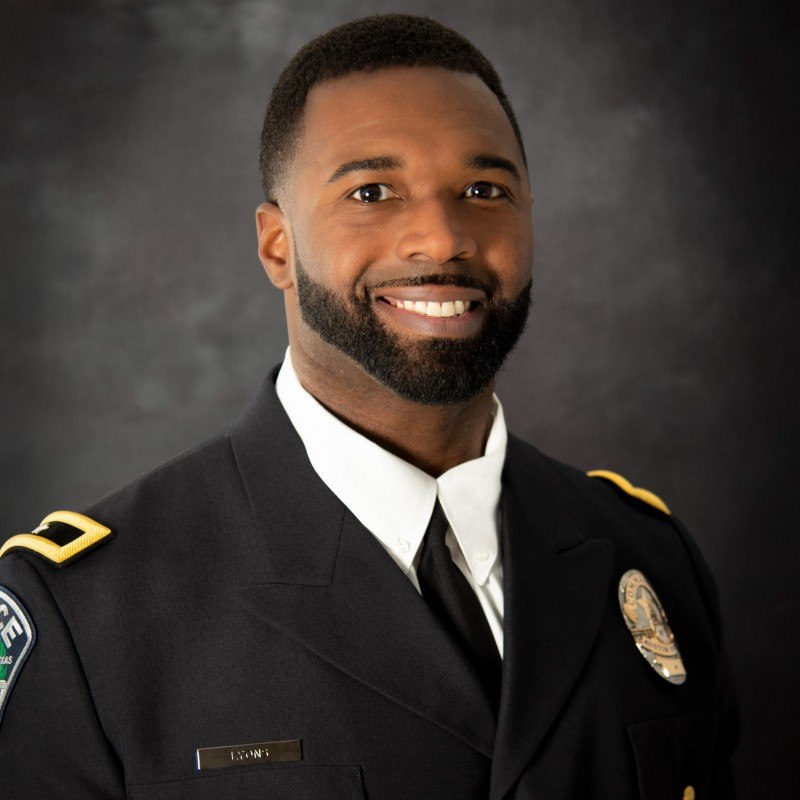
Wade Lyons
CEO
Black Onyx Investigations
Please introduce Black Onyx Investigations and describe the role you play in shaping its vision, culture, and long-term direction.
I am the founder and CEO of Black Onyx Investigations, a private investigations and security consulting firm based in Texas. I started the company in 2024 after serving 17 years with the Austin Police Department. As CEO, I am responsible for setting our strategic trajectory, defining our investigative standards, and engineering the systems that allow us to scale responsibly. We specialize in background investigations, investigative consulting, and executive protection. Our vision is to deliver disciplined, evidence-driven work that organizations can rely on to mitigate risk and protect their people. The culture at Black Onyx is an extension of my law enforcement career, rooted in integrity, accountability, and service. Every case we accept must meet the same standards I expected when reviewing critical incidents and use-of-force investigations in my command roles.
How do you think about building the team and systems that execute that vision?
I approach the business the same way I approached building units in law enforcement. Start with clear standards, then build systems that reinforce those standards. At Black Onyx, some work stays internal because it requires investigative judgment and accountability. Background investigations, case review, and final reporting remain tightly controlled. For specialized services like executive protection or contract security, we use a hybrid approach. That means vetted partners who meet our operational standards and training requirements. I am a proponent of process. Every investigation follows a structured lifecycle: consultation, scope definition, evidence collection, verification, and final review. This structure ensures that quality remains consistent regardless of the case’s complexity.
From a leadership perspective, how do you ensure your organization stands out in a crowded security and investigations market?
In an industry where most firms compete on marketing, I compete on operational discipline. My background in law enforcement required an absolute commitment to documented procedures, legal compliance, and evidence integrity. We apply that same framework to the private sector. Clients receive structured reports, verified data, and clear conclusions. Another differentiator is experience with government-level investigations. I spent years reviewing incidents, evaluating evidence, and presenting findings to leadership and prosecutors. That perspective translates directly into the private sector.
Which industries or communities do you feel most responsible for serving today
Our core clients today include government contractors, private companies, and organizations that require reliable pre-employment background investigations. Many of these groups operate in environments where hiring decisions carry legal and operational risk. My experience recruiting and vetting police candidates shaped this focus. While we will expand into broader security consulting, and executive protection, our priority remains helping organizations that require a disciplined, zero-failure investigative process.
What problems do clients most often come to you with?
Most clients come with hiring concerns or internal risk questions. They want to know if a candidate’s background aligns with the responsibilities of the position. Others need investigative support when internal questions arise about compliance or conduct. My first step is defining the scope clearly. Some cases require a full background investigation. Others need a targeted verification process. I only take cases where we can add clear value.
How do you stay ahead of industry shifts in security and investigations?
My approach is continuous professional development and strong professional networks. I remain active with organizations like the International Association of Chiefs of Police and the National Organization of Black Law Enforcement Executives. I track regulatory shifts and emerging technologies through the lens of my experience implementing large-scale systems in the public sector. This allows me to distinguish between a useful tool and mere “noise.
What does long-term trust with clients look like to you?
Trust is a product of consistency. A client should know exactly how an investigation will be conducted and precisely what the final deliverable will look like. This requires transparent communication and adherence to timelines.I don’t want to be a one-time vendor; I want to be a long-term investigative partner. When trust exists, clients return when new challenges arise.
How do you define success for your clients?
Success is clarity. Our job is to provide the verified information a client needs to make a confident decision, whether that’s a hire, a risk assessment, or a security strategy. If the client has a clear path forward based on our findings, we have succeeded.
What responsibility do you believe leaders have after a project is complete?
A report delivery isn’t the end of the relationship. Leaders have a responsibility to help clients interpret findings and understand their implications. Sometimes that means helping a client refine their internal hiring policies or advising on long-term security procedures based on what we discovered.
How do you approach pricing and value alignment with clients?
Pricing must reflect the level of diligence involved. A professional investigation requires time, multi-source verification, and meticulous documentation. I am transparent about the process upfront so the client understands the value behind the cost. Transparency prevents misunderstandings and ensures we are aligned on the mission.
How do you balance accessibility with excellence when setting prices?
Fair value means the client receives a thorough product and the team is compensated for their expertise. If a price point cannot support the level of diligence required, we won’t conduct the investigation. Cutting corners in investigations damages both the client and the profession.
Have you ever said no to an opportunity that looked attractive on paper?
Yes. If a request falls outside ethical boundaries or requires us to take investigative shortcuts, we decline. In law enforcement, I learned that integrity is non-negotiable. If a request compromises investigative standards, we decline.
What have been the most meaningful leadership challenges in recent years?
The transition from public service to entrepreneurship was a significant shift in mindset. In government, resources and structure already exist. In business, you build them from scratch. The challenge forced me to focus on systems, market awareness, and disciplined growth.
How do you create space for innovation while maintaining discipline?
Innovation must be purposeful. In law enforcement, I implemented everything from training simulators to new recruiting strategies, but the goal was always the same: to solve a specific problem. We test new ideas carefully and measure the results before they become part of our standard operating procedure.
What role does culture play in performance?
Culture defines the “floor” of your performance. In my organization, professionalism and preparation are the baseline. I model those behaviors by staying engaged with the work and maintaining the same personal standards I expect from my team.
Looking ahead 5–10 years, what impact do you want your organization to have?
I want Black Onyx to be the gold standard for investigative and security consulting. Growth is a goal, but credibility is the priority. I want our name to be synonymous with trust and disciplined work.
How has your leadership philosophy evolved over time?
Early in my career, I viewed leadership as a function of command and control. Experience has taught me that leadership is service. My role is to remove obstacles and build the systems that empower my team to perform at their highest level.
Which emerging technologies interest you most in investigations and security?
I’m closely watching the evolution of data analytics and digital investigation tools. These technologies can significantly accelerate the verification process and improve accuracy. However, technology should always support human judgment, it should never replace it.
What advice would you give emerging leaders in security or public service?
Focus on the fundamentals, discipline, ethics, and continuous learning. Leadership is built through consistent decisions over time. Integrity and preparation will always outlast talent alone.