
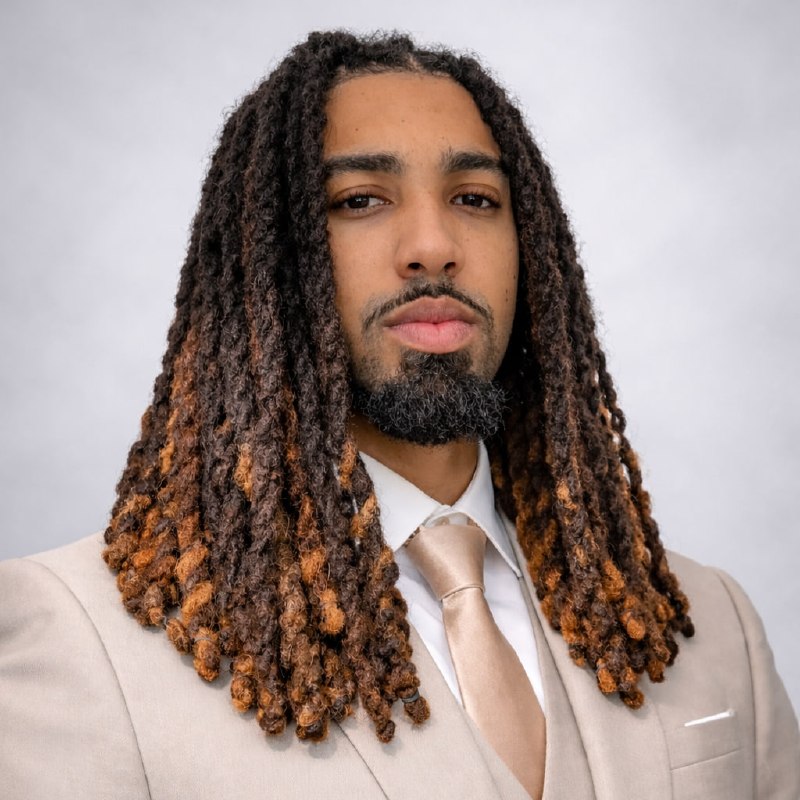
Shelton Powell
CEO
Overseeing the systems, performance standards, partner selection, and strategic direction.
Please introduce Cart Capital and describe your role within the company.
I founded Cart Capital in Florida after spending years operating in eCommerce myself. I had been involved in the industry since 2017 and kept seeing the same issue over and over. A lot of people wanted to own online businesses, but they did not have the infrastructure, systems, or operational team to build one properly.
Cart Capital was built to close that gap. We manage and operate eCommerce brands for a select group of partners. That includes product research, store development, supplier coordination, paid media, creative production, fulfillment systems, and retention.
My role is operational leadership. I oversee the systems, performance standards, partner selection, and strategic direction of the company. I spend most of my time focused on execution and solving problems inside the business.
What business model does Cart Capital use operationally?
We use a hybrid operational structure, but most core functions are managed internally. We built dedicated systems and teams around the key parts of eCommerce operations because too much fragmentation creates inconsistency.
We handle brand infrastructure, paid media oversight, backend operations, and strategic execution directly. We also maintain relationships with suppliers, platforms, and fulfillment partners where needed.
The goal is not to outsource responsibility. The goal is to build repeatable systems that can scale without losing visibility or control.
A lot of people underestimate how operationally heavy eCommerce really is. We built the company around that reality.
How does Cart Capital differentiate itself in a crowded eCommerce market?
The biggest difference is that we are operationally focused, not marketing-focused.
A lot of companies sell excitement. We focus on systems.
We are not trying to create hype around “passive income” or shortcuts. We work with people who understand that building a business requires structure, patience, and accountability.
We also became very selective about who we work with. Early on we learned that the wrong partner can create more damage than having no engagement at all.
Now we filter heavily for mindset, expectations, and long-term alignment before moving forward with anyone.
That selectiveness improved the quality of operations across the board.
What sectors or business categories do you primarily work within today?
We focus on direct-to-consumer eCommerce brands across multiple consumer categories. The exact products vary, but the operational principles stay the same.
Over time, the focus evolved away from simply launching stores and toward building sustainable backend systems around those brands.
That includes customer acquisition, fulfillment coordination, retention systems, reporting, and operational visibility.
The longer you operate in this industry, the more you realize that the backend matters just as much as the front-end marketing.
What are the most common reasons people come to Cart Capital?
Most people come to us because they do not want to build an operational team from scratch themselves.
Hiring, training, managing vendors, testing systems, learning paid media, handling fulfillment issues — all of that takes time and experience.
A lot of professionals or business owners simply do not have the bandwidth for that.
They are looking for infrastructure and execution.
They want operational support from people already working inside the industry every day.
How do you stay ahead in an industry that changes constantly?
You stay close to the data and close to the operational problems.
Most information in eCommerce becomes outdated very quickly. Platforms change. Consumer behavior changes. Costs change.
We monitor performance constantly. We test constantly. We adjust constantly.
You cannot rely on assumptions in this industry.
Problem solving and open-mindedness are not optional. That is the job.
Do you see repeat engagement and long-term relationships with partners?
Yes. A large part of that comes down to transparency and consistency.
People stay when communication is clear and expectations are realistic.
We track everything internally. Performance, milestones, operational bottlenecks, campaign data. We review outcomes regularly and make adjustments based on actual results.
Partners also appreciate not needing to manage every moving part themselves.
The relationship works better when responsibilities are clearly defined.
How do you measure customer satisfaction operationally?
We look at both quantitative and qualitative feedback.
The numbers tell you what happened. The feedback tells you if it mattered.
We track operational performance, growth benchmarks, reporting cadence, and execution timelines. But we also pay attention to communication quality, partner concerns, and how the engagement feels from their perspective.
If something is unclear operationally, it usually becomes a bigger issue later.
What kind of ongoing support do you provide after launch?
The operational work does not stop after launch.
Brands require ongoing optimization, testing, reporting, troubleshooting, supplier coordination, campaign adjustments, and retention management.
We stay involved throughout the lifecycle of the engagement because eCommerce is not static.
There is always something changing operationally.
How does your pricing structure generally work?
The structure varies depending on the scope of operations and what level of infrastructure is required.
What matters more than pricing format is alignment.
We do not approach engagements as one-off transactions. We look at whether the operational requirements make sense for both sides.
That includes workload, expectations, timelines, and fit.
Have you turned down opportunities that were not a fit?
Absolutely.
One of the biggest lessons we learned early was that saying yes to the wrong situation creates operational problems for everyone involved.
Now we are very clear about expectations before moving forward.
We look for people who are realistic, collaborative, and serious about building something long term.
If the mindset is wrong, the engagement usually becomes unstable regardless of the opportunity itself.
What major challenges shaped the company over the last few years?
Operational bottlenecks early on were a major challenge.
We dealt with payment processing issues, downtime, scaling problems, and backend inefficiencies that slowed growth.
Those problems forced us to improve our systems.
The biggest lesson was that staying ahead requires being proactive. You cannot wait for operational problems to become large before fixing them.
The company became stronger because we were forced to improve.
How do you approach innovation inside the company?
Innovation for us is operational improvement.
We are constantly testing processes, reporting systems, acquisition strategies, workflows, and backend structures.
The goal is not to chase trends. The goal is to build systems that perform consistently under pressure.
Most innovation comes from solving repeated operational problems better over time.
What role does company culture play in your operations?
Culture matters because operational stress exposes weaknesses quickly.
We value accountability, discipline, communication, and adaptability.
People need to be able to solve problems calmly and work collaboratively under pressure.
That becomes especially important in eCommerce because issues move fast.
A weak culture creates weak execution.
Where do you see Cart Capital over the next decade?
The long-term goal is to continue strengthening the operational infrastructure behind the business.
I am less interested in hype metrics and more interested in building systems that can scale responsibly over time.
The focus is depth, consistency, and long-term operational capability.
That is what creates durability.
How has your leadership style changed over time?
Earlier in my career I tried to solve everything personally.
Over time I learned that leadership is more about building systems, creating clarity, and putting the right people in the right positions.
You cannot scale chaos.
Leadership became less emotional and more process-oriented over time.
What emerging shifts are you most interested in right now?
Operational automation, AI-assisted workflows, and data visibility are all becoming more important.
But technology only helps if the underlying systems are already organized.
Bad operations with better tools are still bad operations.
The companies that win long term will be the ones that combine strong systems with adaptability.
What advice would you give to entrepreneurs building companies today?
Do not build based on excitement alone.
Build around systems.
Track everything. Stay adaptable. Learn how to solve problems calmly. Be honest aboversee the systems, performance standards, partner selection, and strategic direction