Top Digital Product Marketplaces For Creators And Entrepreneurs
Daria Pohrebniak
Content Writer - ReVerb
11.01.2024
Are you an online course instructor or a content creator, or do you want to monetize your digital products? Your first step is to find the right digital marketplace.
But where do you even start? Some digital product platforms allow you to build the whole website from scratch, while others offer you a convenient, ready-to-go eCommerce solution. The opportunities available today are endless. You might already feel overwhelmed just contemplating it, not to mention trying to pinpoint the perfect place for promoting your goods online.
As usual, ReVerb is here to help with the list of top digital product marketplaces. We’ve researched hundreds of platforms in order to find the best ones where to sell your digital products. So, without further ado, let’s begin!
Digital Product Marketplaces At A Glance
Use this table to see at a glance which type of creator or product each marketplace on our list suits best.
Marketplace
Best for
1. Whop
Selling courses, SaaS products, newsletters and other digital products from one hosted platform
2. Gumroad
Beginners and pros selling videos, subscriptions and physical goods
3. SendOwl
Selling almost anything digital, such as music, e-books, software and memberships, without your own website
5. Sellfy
Creators who want an easy, hosted storefront
6. Thinkific
Online courses and teaching
7. DPD
Selling e-books, themes, songs and templates quickly
8. Podia
Online courses, memberships and downloads with a no-code setup
9. Creative Market
Designers and artists selling graphics, fonts and photos
10. Teachable
Education creators selling online courses
11. Klasio
undefined
The Best Digital Product Marketplaces To Sell Your Content And Goods
Whop is the number #1 website to sell digital products, and we’re not saying it for nothing. Acting as a next-gen hosted eCommerce platform, Whop allows you to sell any digital product — online courses, SaaS products, newsletters, and more. With a user-friendly interface and 24/7 customer support, sellers can start their online business in less than 10 minutes, absolutely for free.
Offering a powerful dashboard with valuable insights into key business metrics (such as signups, payments, revenue, customers, and marketing) as well as business actions (dispute fighter, extensive payment gateway support, business development assistance), Whop allows you to make informed decisions. The platform also offers an API integration so users can connect it with their existing sites and applications – Whop literally has no limits in the ways you can start earning money from your digital products.
If you’re searching for a high-functioning digital product marketplace to kickstart, Whop is the best platform to go with.
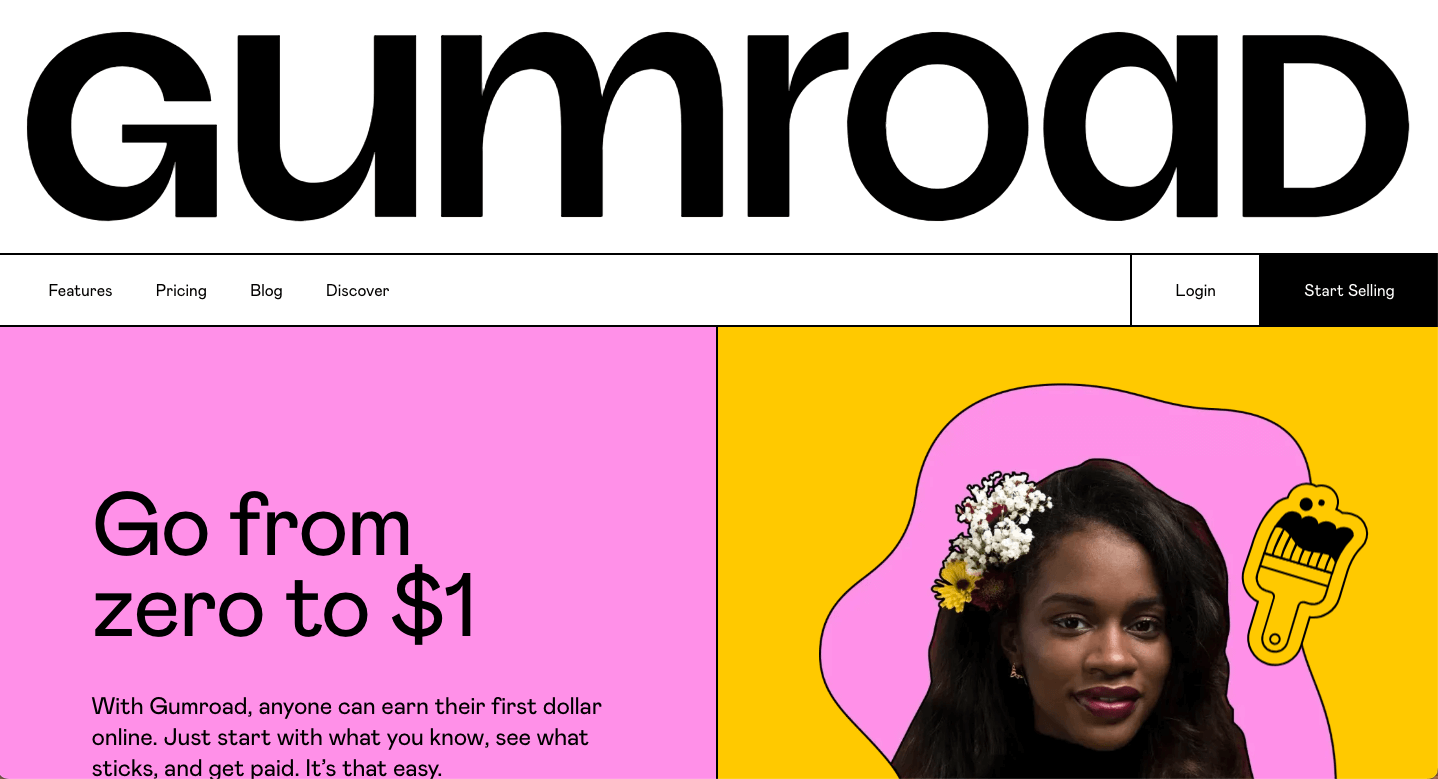
The motto of this marketplace is to sell anything to anyone. Whether you’re into videos, monthly subscriptions, or physical goodies, Gumroad is the place to help you promote your products online. It’s perfect for newbies and pros alike, giving you the tools to explore and share all your creative ideas.
The website allows you to add any payment processing while taking care of the details like VAT. Setting up your shop is a breeze whether you use Gumroad’s all-in-one digital content-selling platform or add it to your own site. And with Zapier, you can connect Gumroad to tons of other apps you use.
Gumroad’s success speaks for itself – digital entrepreneurs earned a whopping $3,368,265 in just one week (at the moment of writing). The platform takes 10% of each sale, with no tricky monthly fees.
Music, coaching sessions, fitness guides, e-books, fonts, software, memberships, data – you can sell literally anything, anywhere, and anyway on the SendOwl digital assets marketplace. You don’t need your own website to start selling goods, but if you have one – you can easily connect SendOwl with your site, blog, or even on social media using special payment links.
Customization is truly powerful on SendOwl. You can create your own checkout pages, buttons, and emails that match your unique style. The platform ensures a speedy and secure experience, with digital products getting delivered instantly to your customers.
The starter package is at $9/month, but SendOwl also has custom prices for big sellers. And, if you’re not sure about the platform, there’s a 3-month free trial to try things out.
Tailored specifically for creators offering digital products, online courses, and coaching sessions, Stan is another go-to eCommerce destination that allows user to set up their own shop in 10 minutes with a drag-and-drop builder.
Whether you’re selling e-books, guides, templates, tools, exclusive video content, or courses, Stan has you covered. This digital content selling platform even features an e-course builder, helping users to create, promote, and sell their online courses—all in one place.
But there’s more – Stan empowers creators with in-app marketing tools, which allow them to build and grow their email list with the newsletter builder and showcase customer testimonials on their product pages to boost credibility.
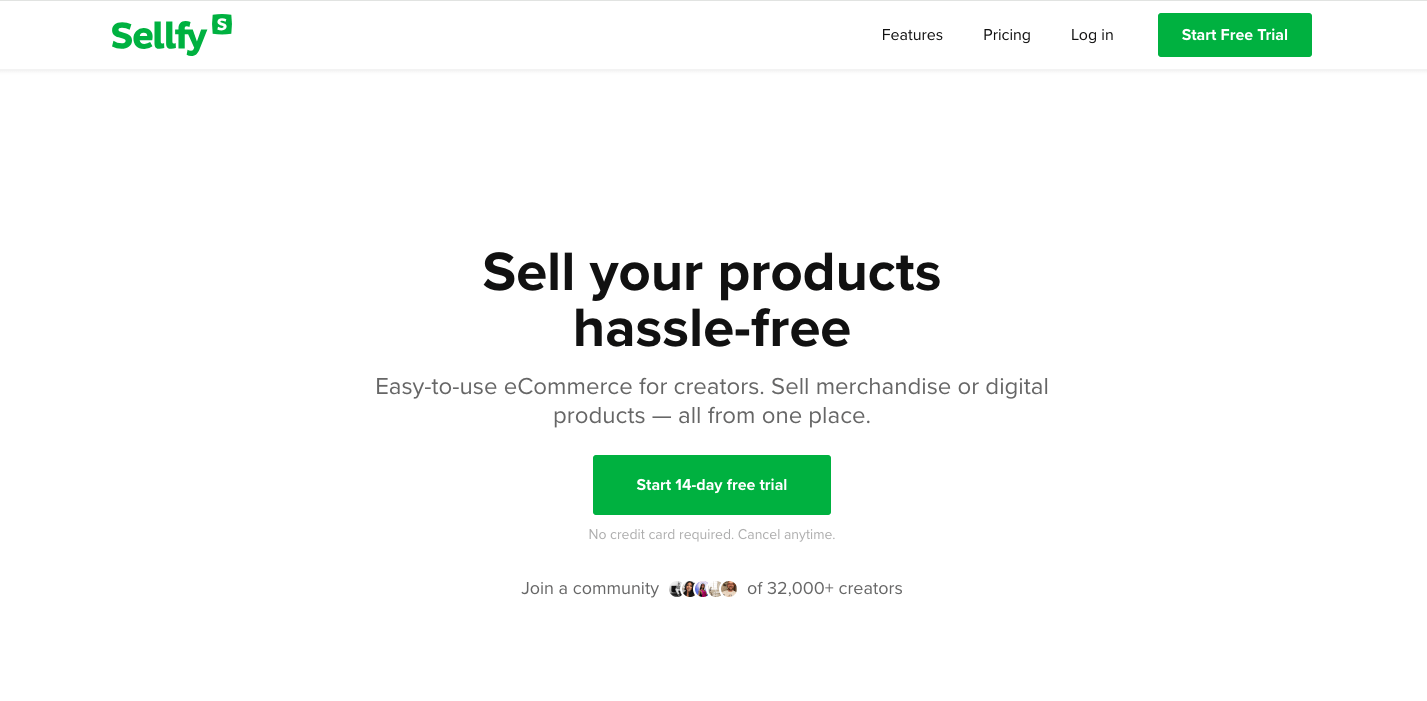
As a trusted digital product website featured in Forbes, Entrepreneur, and TNW, Sellfy surely needs to be on our list. Creating your storefront is super easy with Sellfy’s user-friendly setup, allowing you to design a hosted storefront that aligns with your brand.
Whether you prefer selling through your customized Sellfy digital storefront or embedding the cart on your existing platform, the choice is yours. The platform’s flexibility provides you with the opportunity to customize your storefront, offering unlimited products and traffic at no extra cost. Plus, Sellfy lets you decide how much you want to charge, and you can add as many products as you want, big or small.
Regarding prices, they offer a 14-day free trial. After that, it’s pretty straightforward: Starter for $29, Business for $79, and Premium for $159 a month.
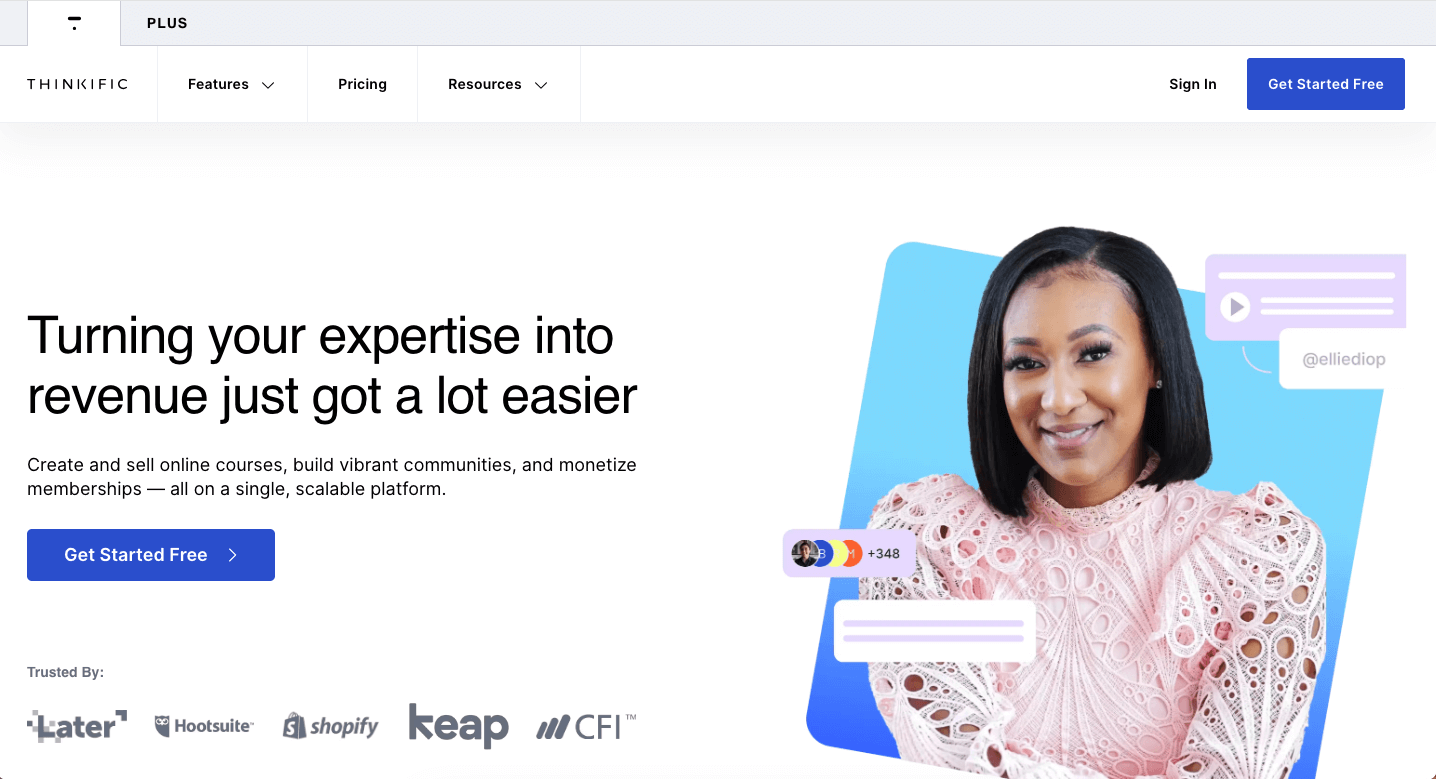
Designed for new and experienced creators, Thinkific is one of the best places to sell digital products, especially if you’re into teaching online. With a user-friendly interface, a pre-built instructor, curriculum, key learnings, and course review sections, this platform offers a seamless experience for both sellers and learners.
With easy-to-use templates and drag-and-drop builders, this all-in-one platform is an ideal choice for those seeking to monetize their expertise. Thinkific even has a Thinkific Academy, assisting course creators and a 24/7 support system.
The platform’s diverse pricing plans, ranging from free to premium options, with its 0% transaction fee, make it an attractive choice for anyone starting their journey in the digital goods marketplace.
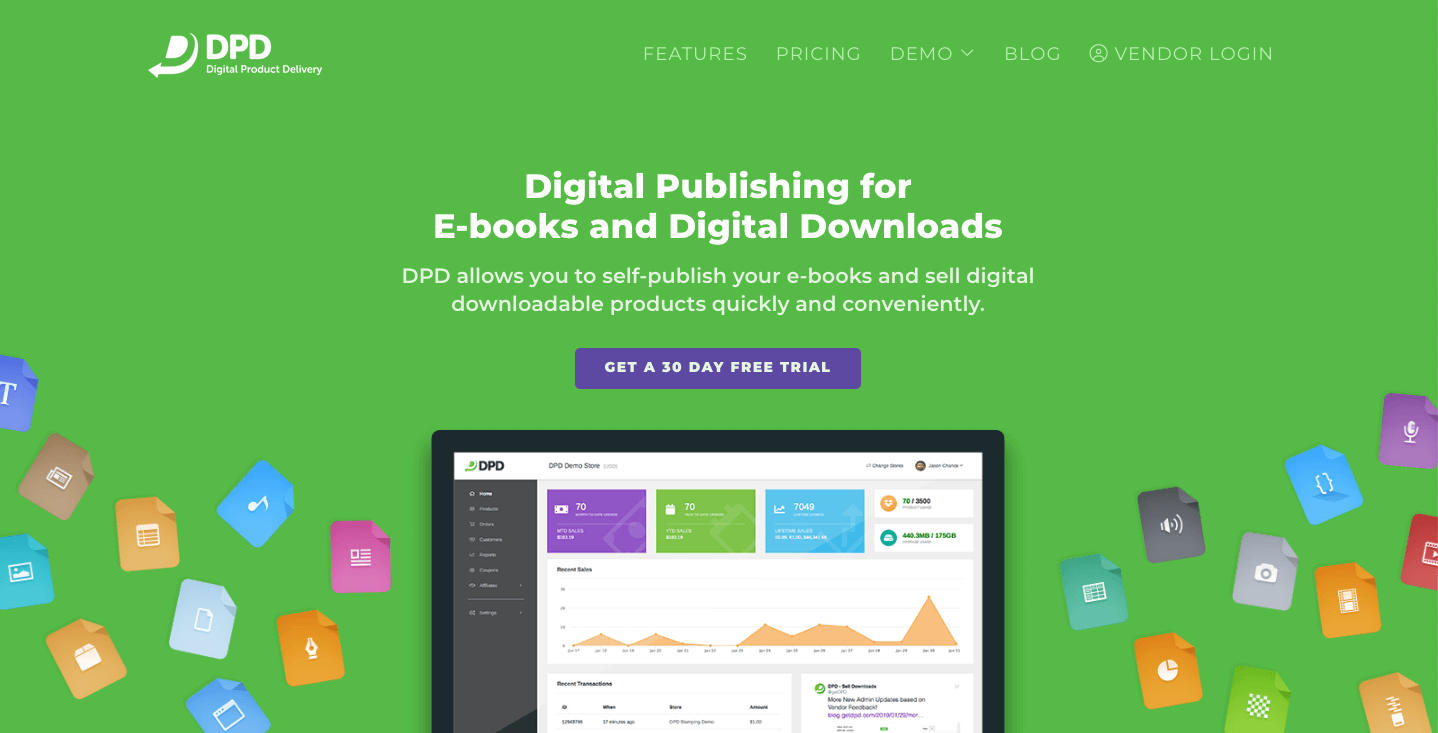
Another comprehensive eCommerce platform that allows you to sell your digital products within minutes is DPD. Sell e-books, themes, songs, templates – goods of any size – directly from your existing site, social media platform, or blog without the need to set up a complex platform.
Offering 500+ marketing tools and supporting numerous payment processors, DPD also ensures robustness for your selling, including PDF stamping, encryption, and SSL checkouts.
But the best part of this marketplace for digital products is that users get 100% of their sales, and DPD takes no commission or fees for the purchases. You can get started for $10/month and create different stores that will work across all platforms.
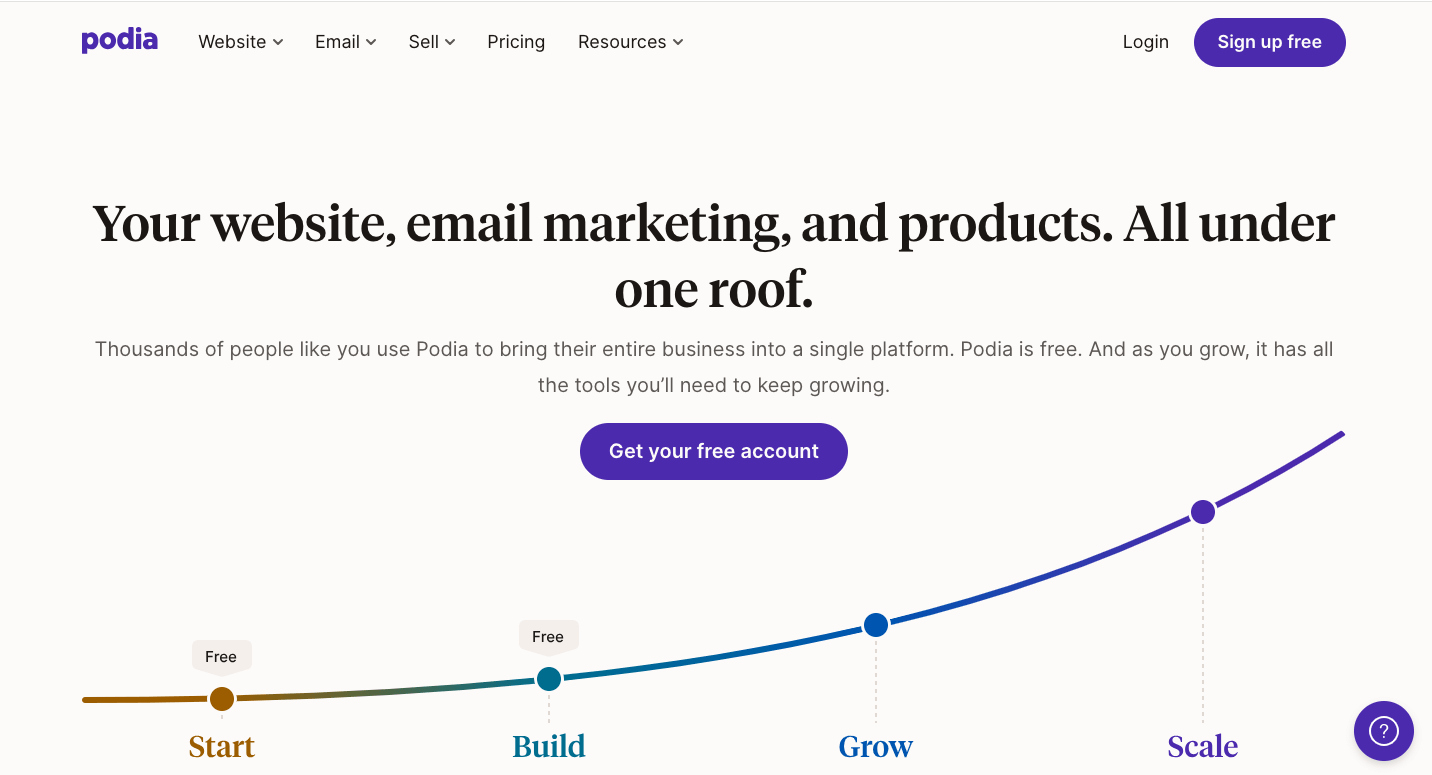
Recognized for its user-friendly no-code interface, Podia is another popular platform to sell digital products. It ensures a quick and easy setup for online courses, memberships, and downloads — a perfect start for entrepreneurs and passionate enthusiasts.
With an integrated suite of tools, including email marketing, website building, and customer messaging – Podia enables beginners and professionals alike to start hassle-free selling processes.
Like most marketplaces for digital products we’ve mentioned here, Podia allows you to sell directly from your website without any code requirements. The platform’s pricing structure includes a free forever website with reasonable fees or monthly plans starting at $33/month.
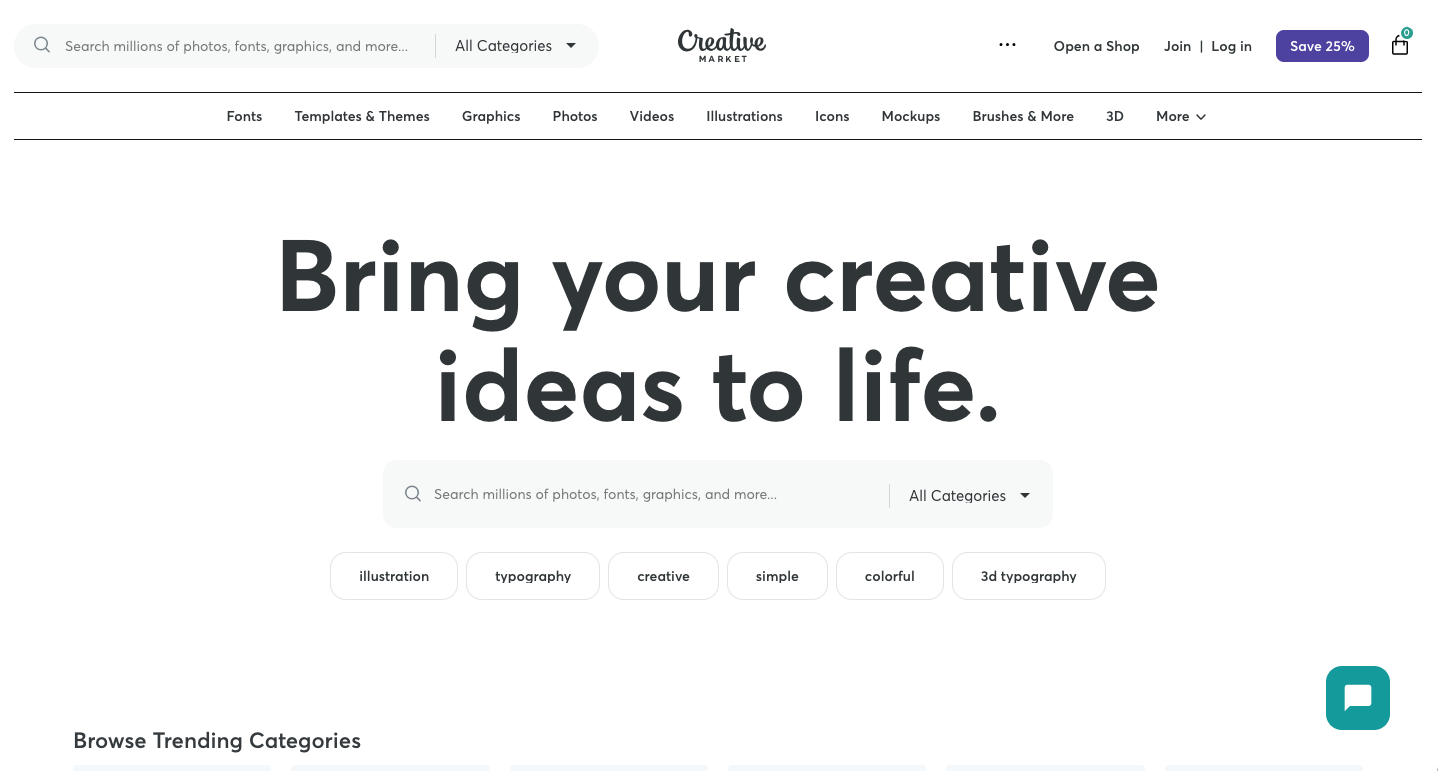
If you’re searching for a cool design hub to start selling your goods, Creative Market connects artists with a whopping 10 million potential fans, allowing users to sell graphics, fonts, photos, and more in a jiffy.
Whether you want to sell directly on Creative Market or on your own site, this digital product platform supports it, allowing you to start earning instantly. With swift delivery of your digital goods to the buyer, easy price changes, and a simple messaging system to chat with your customers and handle requests, Creative Market allows your creative soul to prosper here.
Creating a shop on this platform involves no initial setup fees, and once approved, you’ll earn a generous 50% of your product’s list price for each sale. Commission rates may vary per shop or product, providing tailored flexibility to suit your unique offerings.
This list of the top digital product marketplaces wouldn’t be complete without Teachable, an excellent hub for digital entrepreneurs in the education sector. Whether you’re an astrophysics expert or a gourmet cooking specialist, Teachable provides solutions for creating and selling your courses.
With a versatile platform that allows users to produce content using various multimedia formats, Teachable has unlimited capacities to help you set up your shop and develop and offer courses.
With three flexible plans to choose from, including a free option with minimal transaction fees, Teachable enables entrepreneurs to make an immediate impact in the digital goods marketplace. Share your knowledge and get paid for it!
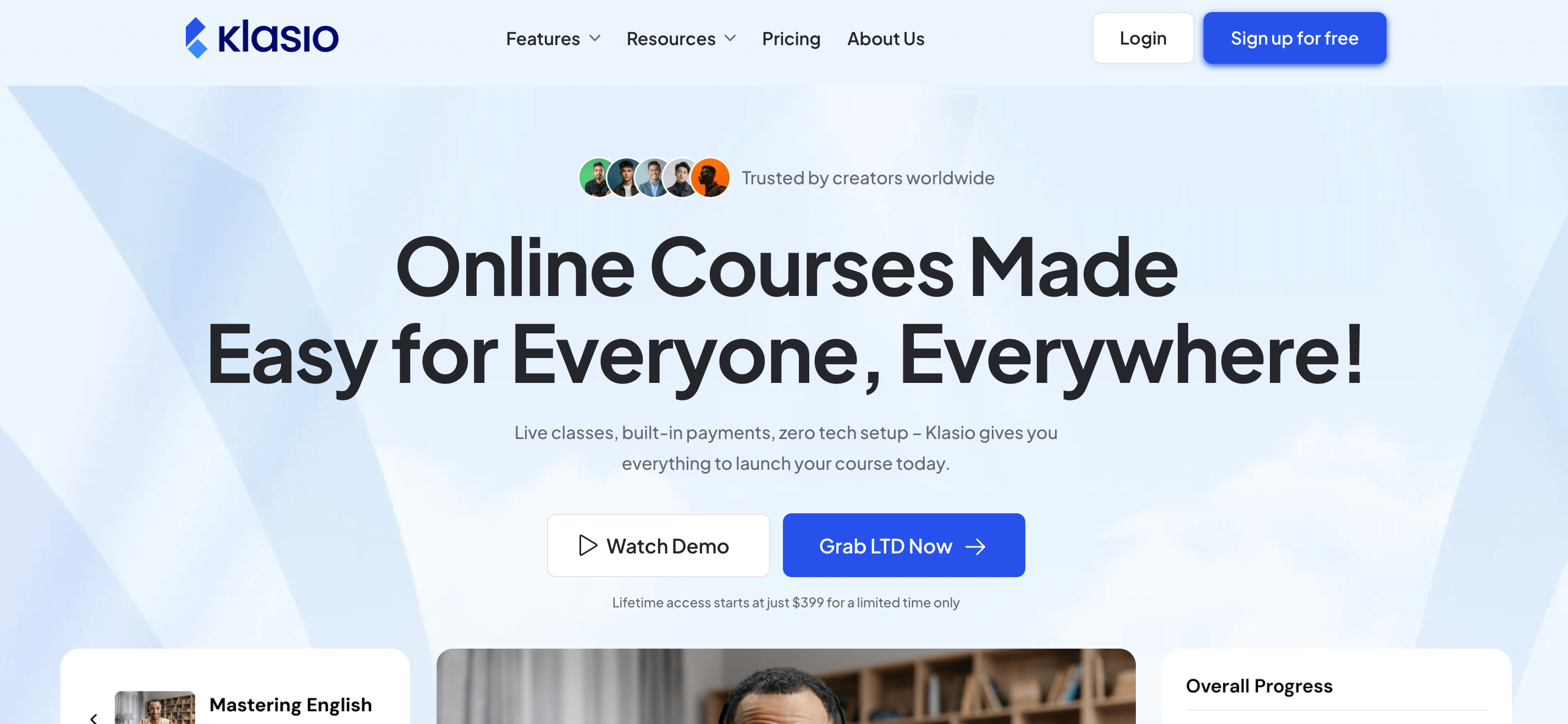
If you want to sell digital products like courses, Klasio is a platform worth checking out. It’s easy to set up, so you can start selling without dealing with technical issues. This makes it a good option for both new and experienced creators.
Klasio includes tools like an AI course planner, a website builder, and basic analytics. You can also sell other digital products and run live classes using Zoom or Google Meet. The platform offers a free plan, with paid plans starting at $29/month, and a lifetime deal with a small commission fee.
You can host your products on a custom domain, giving your brand a professional look. Since everything is managed in one place, it saves you time switching between multiple tools.
Marketplace Vs Your Own Storefront
Platforms for selling digital products fall into two broad groups. Marketplaces such as Creative Market list your products alongside other sellers and bring their own audience of buyers. Hosted storefront platforms such as Sellfy, Podia or Thinkific give you your own branded store or school, but you bring most of the traffic yourself.
Choose a marketplace if you are just starting out, do not have an audience yet and want exposure to buyers who are already searching for products like yours. The trade-off is more competition, less control over branding and pricing, and a weaker relationship with your customers.
Choose your own storefront if you already have an audience through social media, a newsletter or a website. You keep control of branding, pricing and customer data, and you can build email lists, upsells and memberships. The trade-off is that you are responsible for marketing.
Many creators use both: a marketplace for discovery and their own store for repeat customers and higher-value products. If you promote your products on social channels, our list of top social media management software for creators can help you manage that work. Sellers targeting Southeast Asia can also compare the top eCommerce marketplaces in Singapore.
How Digital Product Platforms Charge
Digital product platforms use a few common pricing models, and many combine them:
Transaction fees or commission: the platform keeps a percentage of each sale. Marketplaces and free plans usually rely on this model.
Monthly or annual subscription: you pay a flat plan fee, and higher tiers often reduce or remove transaction fees and add features such as custom domains, email marketing and memberships.
Payment processing fees: card and payment processors such as Stripe or PayPal charge their own fees on each transaction, separate from the platform fee.
Add-ons: some platforms charge extra for features such as additional team members, advanced analytics or affiliate programs.
When comparing platforms, estimate your monthly sales volume. A commission-only plan is often cheaper when sales are low, while a subscription plan usually costs less once you sell regularly.
Frequently Asked Questions
What is the best platform to sell digital products?
The best platform depends on what you sell and whether you already have an audience. Course creators often choose Thinkific, Teachable or Podia, designers do well on Creative Market, and platforms such as Whop, Gumroad, Sellfy and SendOwl suit a wide range of downloads, subscriptions and memberships. Compare features, fees and how much control you get over branding and customer data.
Do digital product marketplaces take a commission?
Many do. Marketplaces and free plans usually take a percentage of each sale, while subscription-based platforms often charge a monthly fee with lower or no transaction fees. Payment processors also charge their own fees on each sale, so check the full cost before you choose.
Can you sell courses and downloads on the same platform?
Yes. Platforms such as Podia, Thinkific, Teachable and Whop let you sell online courses alongside downloads, memberships or coaching. General storefronts such as Gumroad and Sellfy are stronger for downloads and subscriptions but offer fewer course features, so pick a platform that matches your main product.
Conclusion
Now, you know the best places to sell digital products. A couple of clicks, and you’re ready to begin earning!
When it comes to choosing among these platforms, be sure to pick the one that resonates with your goods, goals, and needs. And if you’re still not sure how to choose a website to sell digital products, test a couple of them out before making a final decision. Good luck!
If you want to add your platform to this list, email us with your request. After a thorough review, we’ll decide whether it’s a valuable addition.