Digital Marketing Revolution: 4 Strategies For 2024
Josh Walker
Freelance Writer
03.15.2024
As we step into 2024, expect a more cutthroat business landscape than ever before.
This year brings economic shifts that’ll redefine industries and challenge old ways of operating. With the advancements in technology and changes in consumer behavior, companies will face intense pressure to innovate their strategies; otherwise, they risk being left behind.
Based on a 2023 study, around 30,000 businesses are projected to fail in 2024. Whatever the reason may be, this sobering statistic serves as a wake-up call for startups and even the most established companies. It’s no longer enough to just rely on past successes or rest on laurels. For one, adaptation to digital marketing is now imperative. It’s a parallel pursuit of stability and growth amidst constant flux.
Quick Overview Of Digital Marketing
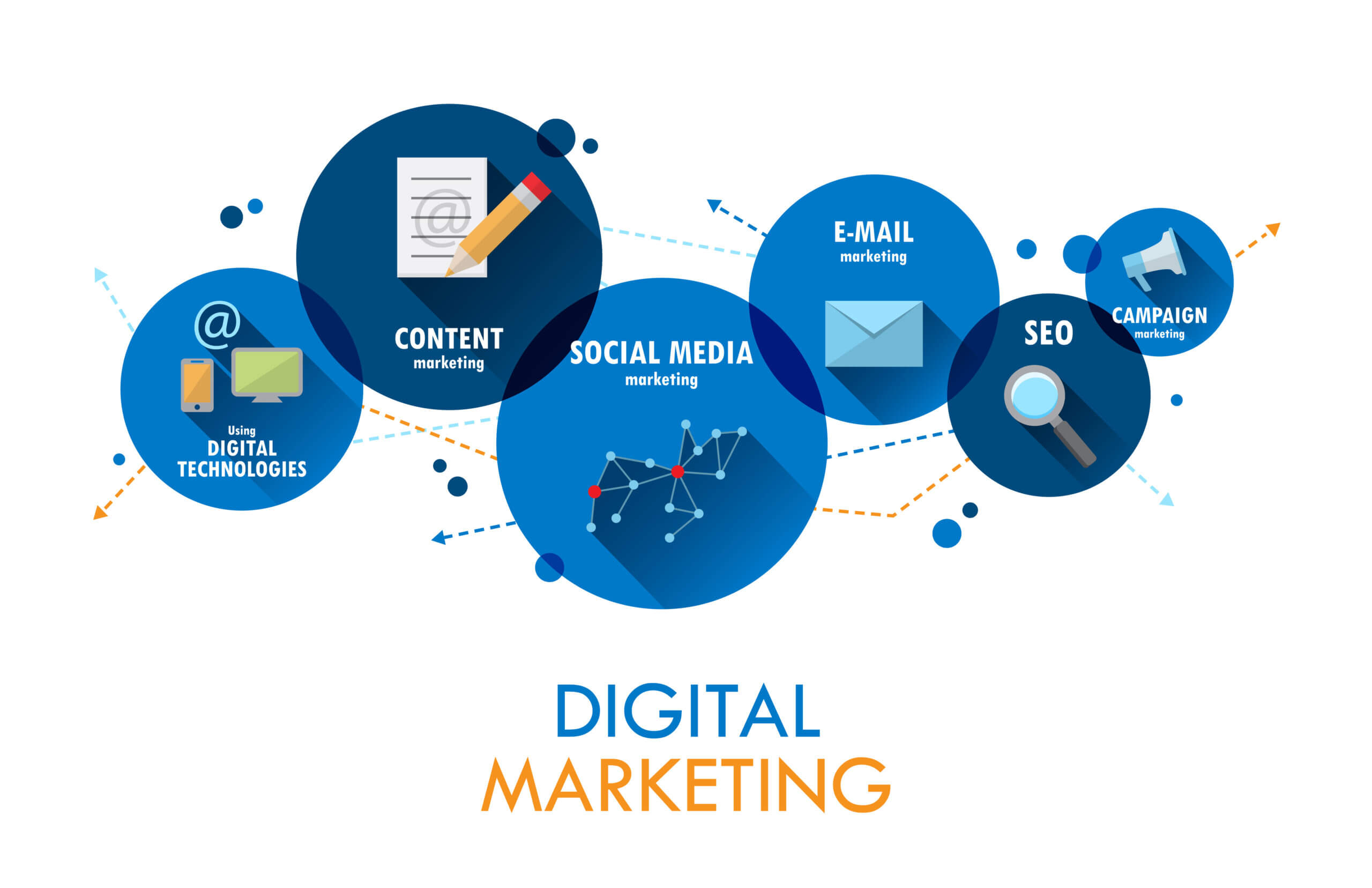
Digital marketing is a term buzzing around in modern business strategies. It refers to advertising and marketing efforts that use online technologies and media such as search engines, social media, email, and websites to promote products and services.
While you can manage online marketing in-house, many marketers opt to partner with experts like NO-BS Marketplace for their innovative strategies and proven track record in digital marketing. This is particularly beneficial when you already have a lot on your plate and no time to dedicate to the complexities of such campaigns.
4 Proven Strategies For Digital Marketing
Successful online marketing campaigns vary depending on the goals and target audience, but some common practices include:
1. Search engine optimization (SEO)
SEO is dead, and we don’t need it to survive online. That saying is far from the truth. It continues to play an important role in online space, albeit in a different form than before.
Think of it this way: you have a great product or service that deserves to be discovered by those who need it most. Without proper signage or directions, prospects may never find their way to your door. This principle applies equally online. SEO acts as the gateway linking your offering with potential customers actively searching for solutions to their pain points.
Here are some of the best practices of SEO:
Perform keyword research to identify high-volume, low-competition terms that align with your business. Use Google Keyword Planner or Ahrefs tools to conduct research.
Optimize webpage content, especially titles, headers, meta descriptions, etc., with those primary keywords. Make sure to integrate them seamlessly into body content without stuffing or over-optimizing.
Get credible external sites, industry resources, and influencers to link back to your content. Quality backlinks are a ranking factor, validating authority and awareness.
Reduce site load times by compressing images, utilizing browser caching, and minimizing HTTP requests. Faster loading times improve user experience and can positively impact search rankings.
SEO is an ongoing process. Invest time upfront optimizing assets but expect gradual momentum over months. Consistently applying strategies tends to yield compounded benefits, which accelerate over time.
2. Content marketing
Have you ever wondered why your content marketing efforts aren’t quite hitting the mark? If your sales funnel feels like it’s leaking, your organic traffic is stagnant, and your conversion rates are disappointing, it’s time to reassess your content marketing strategy.
In essence, content marketing is the art of consistently creating and distributing valuable and relevant pieces of information to attract and retain your target audience. About 82% of marketers utilize this strategy, as per Ahrefs. That’s an impressive statistic you can’t ignore.
Check out these types of content that can elevate your marketing campaigns:
How-to-guides: Step-by-step tutorials are hugely popular as they solve a specific problem for your audience. They should be actionable and easy to follow. Include images, videos, FAQs, etc., to improve comprehension.
List posts: Listicles continue to trend as they simplify complex topics into bite-sized snippets of information.
Case studies: Real-life examples of how you solved a problem demonstrate proof for potential customers. Detailing the problem, solutions, results, and key takeaways in an engaging story format works well.
Infographics: Visual content formats information in colorful and creative designs. Infographics simplify complex data into easily digestible visuals that tend to be shared extensively.
Experiment with different mediums and topics while tracking performance to optimize content for your brand.
3. Social media marketing
As of 2024, there are 5.17 billion social media users worldwide. That’s a vast opportunity to connect with your target audience.
An effective social media strategy helps boost brand awareness, foster engagement, drive website traffic, generate leads, and, ultimately, sales. Some key components include:
Creating engaging social media content in the form of posts, images, videos, stories, and reels tailored for each platform.
Leveraging hashtags, tagging influencers, and hosting contests to expand reach and drive engagement.
Promoting website content across platforms through shareable posts to help content circulation.
Running paid social media ads with customized targeting parameters to reach newer demographics.
With well-defined audience research, testing, and analytics, social platforms offer an agile way to strengthen brand positioning and marketing.
4. Email marketing
Email has one of the highest conversion rates for digital marketing. It allows you to directly reach your customers’ inboxes with targeted messages. Here are techniques for a successful email marketing:
Build an opt-in email list: Ensure subscribers have explicitly consented to receive your emails.
Segment your audience: Tailor your content to different groups based on their interests and needs.
Personalize your emails: Use subscriber names, purchase history, and other relevant data for a more personal touch.
Maintain a regular sending schedule: Build consistency and avoid overwhelming subscribers with too many emails.
Through a combination of permission-based and engaging emails, marketers can build loyalty, drive repeat business, and increase customer lifetime value over the long term.
Conclusion
Overall, successful digital marketing requires a comprehensive and integrated approach that combines various tactics to reach and engage your target audience effectively. Consider the strategies outlined in this article as foundational elements to guide your marketing campaigns in the digital space. Soon, you’ll begin to see the impact of your efforts reflected in increased brand awareness, customer engagement, and, ultimately, conversions.