Curated content is content you did not create but choose to share with your audience, with credit to the original source and usually a note on why it is worth their time.
Curated content is material created by someone else that you select and share with your own audience, with credit to the original source. You don’t write it. You find it, judge it worth your audience’s time, and pass it on with context.
That distinction matters, because curated content does a different job from content you produce yourself. Below: how the two compare, the four rules worth following, five curation techniques with examples, and the tools to run it.
What is curated content?
Curated content vs original content
What are curated content benefits?
How to curate content?
What are some easy-to-follow curated content examples?
What content curation tools to use in your strategy?
Frequently asked questions
What is Curated Content?
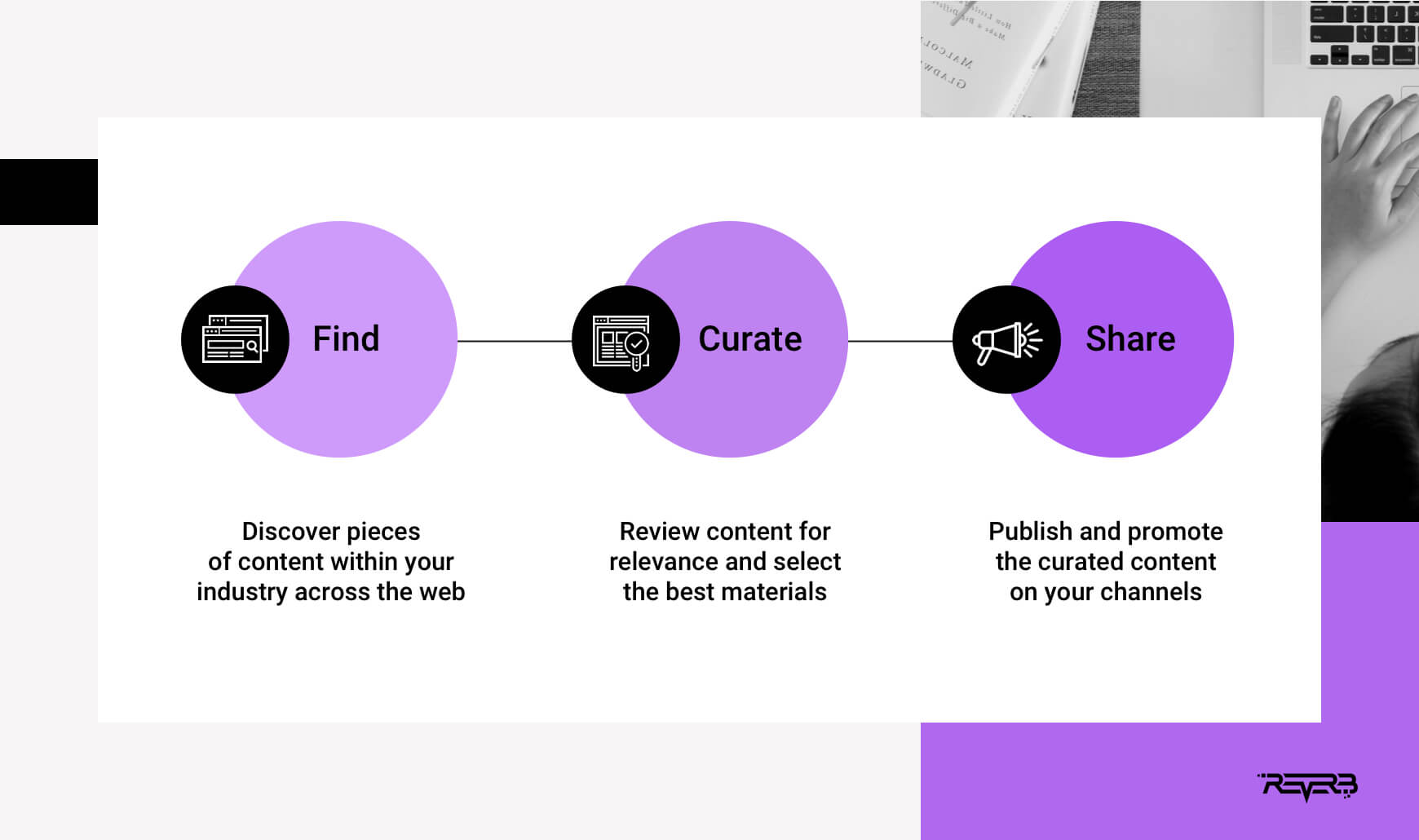
It is content related to your niche created by others that you share with your target audience. You don’t take part in the content creation. You just find and distribute the already produced materials that can bring value to your users and clients. However, the choice of content should never be random. Curated content implies a well-thought-out strategy, and when done right, it may give you the following benefits.
Curated Content vs Original Content
Both belong in a content plan, but they are not interchangeable. The table below sets out where each one earns its place.
Curated content
Original content
Who creates it
Someone else
You or your team
Your contribution
Selection, context, credit
Research, writing, production
Cost
Low
High
Time to publish
Minutes to hours
Days to weeks
Search value
Rarely ranks on its own — the value stays with the source
Can rank, earn links, and compound
Best for
Filling gaps, showing you follow the field, starting conversations
Building authority and generating leads
Main risk
Looking like you have no view of your own
Cost and time
Share of output
10–20%
80–90%
Curated Content Benefits
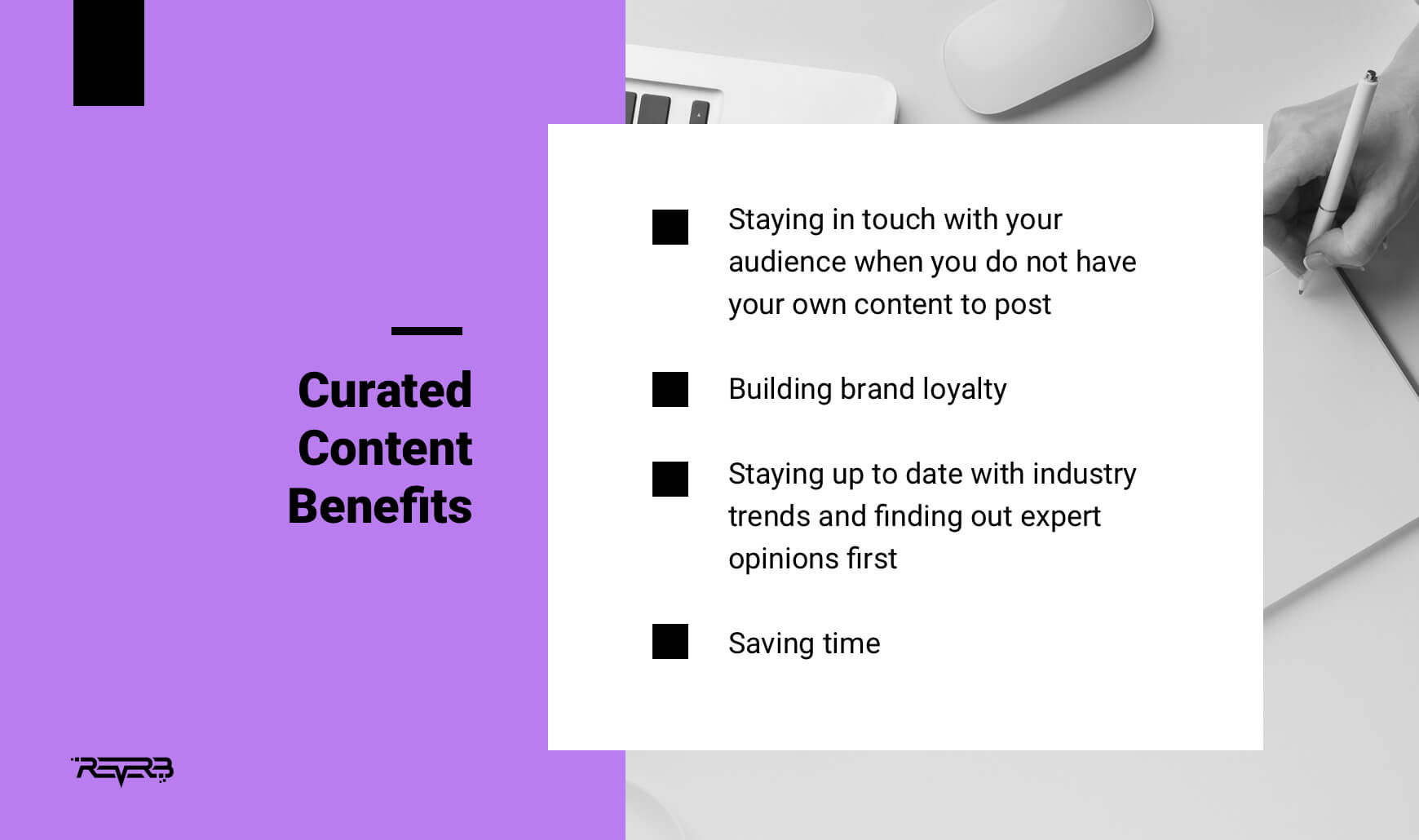
Sharing high-quality pieces of curated content can help you achieve these crucial tasks:
Staying in touch with your audience when you do not have your own content to post. Creating branded material can be difficult and costly. You need to do a lot of research and put in other creative efforts to come up with fresh ideas for your content plan on a regular basis.
That’s where the occasional use of curated content can help you stay in touch with your users day after day.
Building brand loyalty. Today users are pretty picky about the content they consume. In most cases, it doesn’t matter for them whether the material you share is curated content or your own material.
Value comes first in both cases, thus, curated content is one more way to add value.
Staying up to date with industry trends and finding out expert opinions first. Content curation is a great way to always stay updated in the market and share news with your users in a timely manner as well.
This is also one more opportunity to engage them in a hot topic discussion and attract even more attention to your brand.
Saving time. Content curation takes significantly less time than content creation. The only thing you have to do is to find relevant information using content curation tools and distribute it on your channels, making sure that you don’t violate any intellectual property rights.
5 Content Curation Techniques and Real-Life Examples
So, let’s take a look at some of the possible ways to curate content and corresponding curated content examples.
1. Social media content resharing
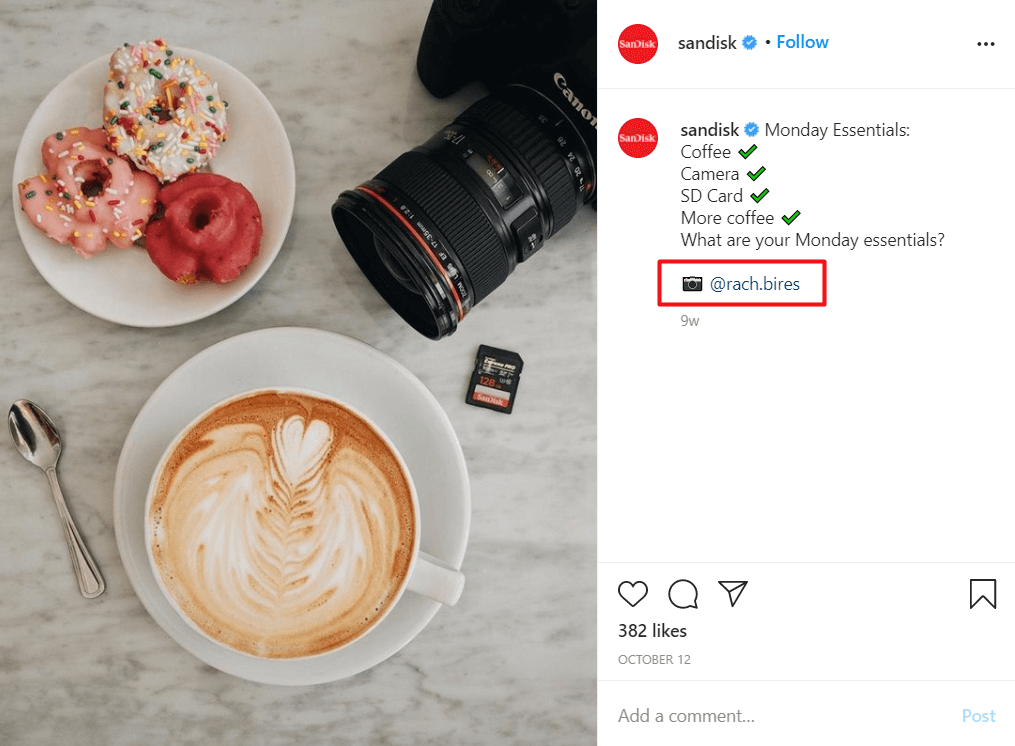
If you feel that your business specifics do not allow you to create too many different visuals (e.g. a metallurgy company), it’s still not a reason to refuse promotion on such image-first platforms as Instagram. Yes, it’s still necessary to create your own photos and pictures, however, curated content can dilute your feed quite significantly. See how SanDisk does it. They borrow quality photos that resonate with their business and the potential needs of their target audience. In the end, they mentioned the author’s profile and it looks really nice.
2. Sharing relevant blog posts from other reputable sources
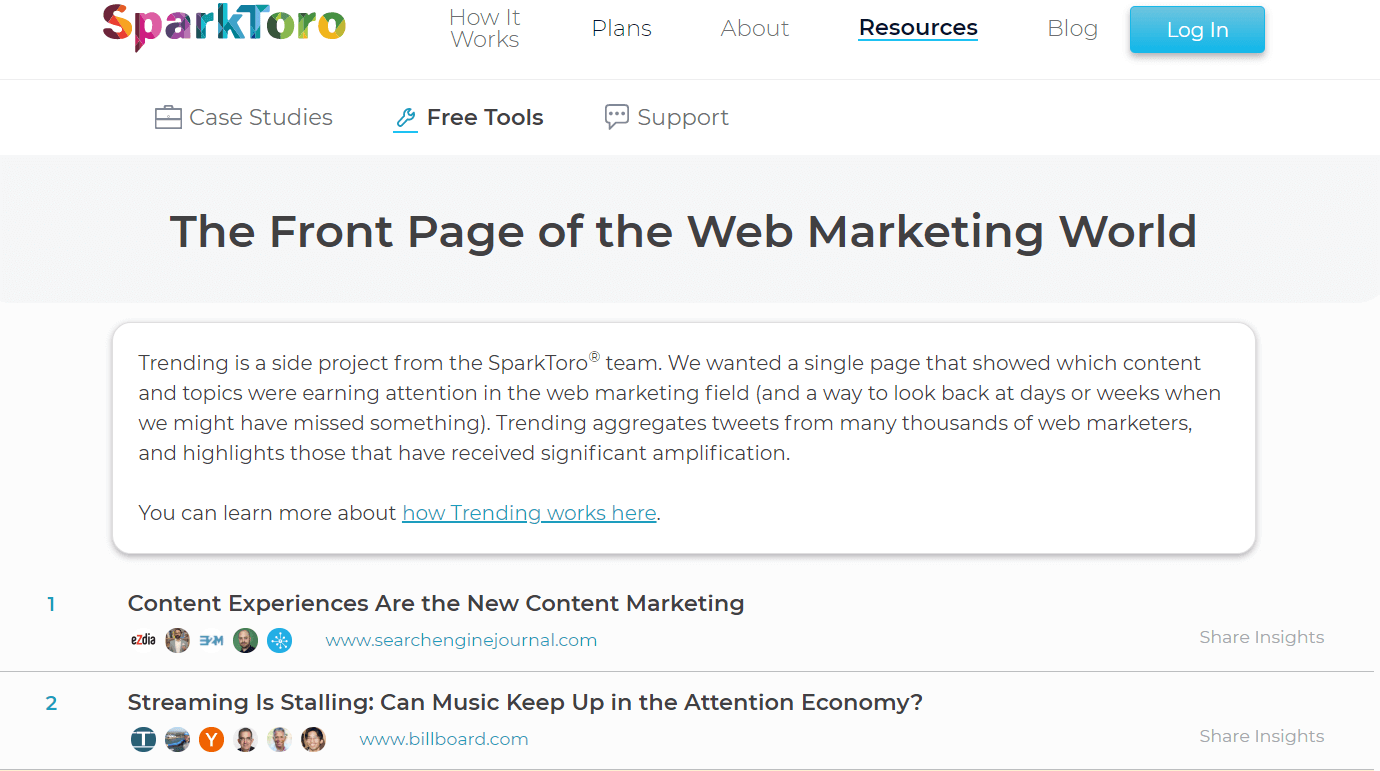
This is a fairly simple yet effective method to curate content. All you need to do is find blog posts that suit your content marketing strategy and might answer potential questions of your target audience. Of course, these posts must be of the same or better quality level as your personal blog posts, otherwise, they will not be of any value. For example, you can create an ‘Expert Opinion’ or ‘Trends and Discussion’ column on your website and share curated content there once a week. Here is how SparkToro handles this task.
3. Retweeting
As for retweeting, everything is very clear from the technical point of view. You find a tweet that might be interesting to your subscribers and share the tweet with them. However, be thoughtful with every retweet intention and remember to be relevant.
Here’s what makes a retweet worth the space. A brand like HubSpot, whose audience is largely marketing and IT specialists, gets more from resharing workplace or industry research those people can act on than from reposting whatever happens to be trending. Relevance to the specific audience is the test, not popularity.
4. Curated newsletter
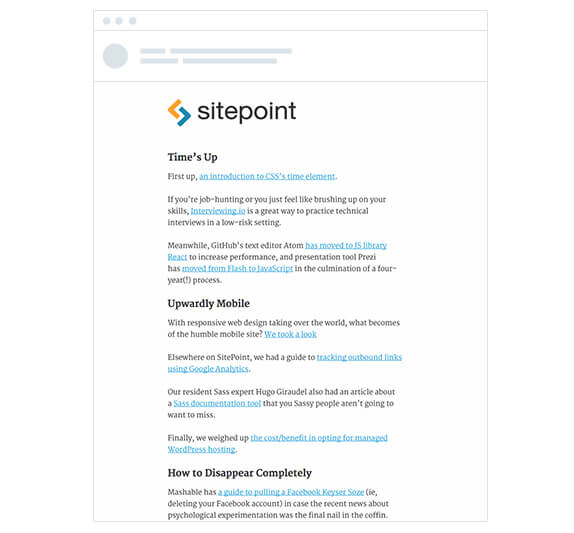
This strategy is similar to resharing blog posts, but in the case of a curated newsletter, you create a collection of quality content and share it in one email. This way, your newsletter won’t be overly intrusive. Users will easily distinguish your main branded newsletter (for example, with your current product offers) from a curated newsletter, but still, receive a great value. For example, an educational portal for web developers, SitePoint regularly gathers proven and expert pieces on web design and development across the web and creates curated newsletters around them.
5. User-generated content curation
There are no strict rules when it comes to user-generated content curation. You may use it as you want if your users don’t mind. For example, National Geographic created this awesome page from the photos created by their users exclusively.
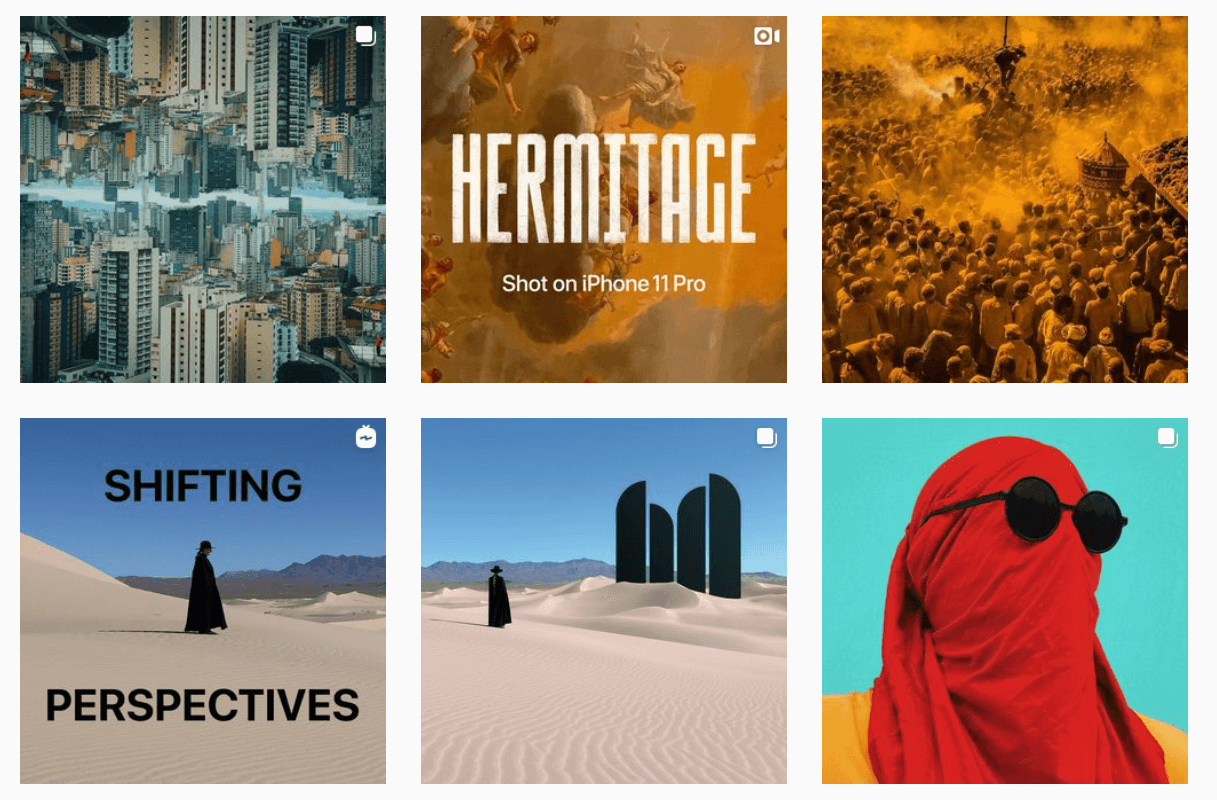
You may share the photos of your users (with their permission) on your social media, reshow their videos on YouTube, and post their testimonials in Stories. By the way, Apple fills the majority of their Instagram profile with user-generated shots as a part of the #ShotoniPhone campaign.
3 Content Curation Tools to Get Started With
Below are ReVerb’s set of content curation tools. Try them!
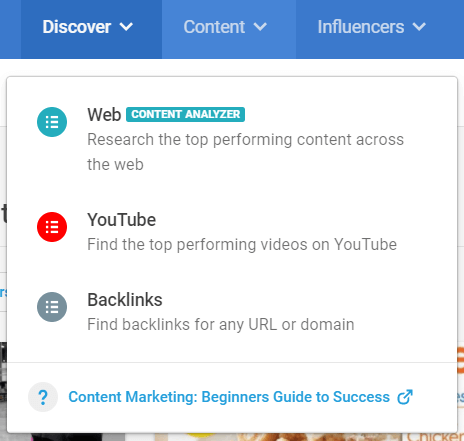
Surely, this digital marketing tool doesn’t need a long introduction. In addition to basic video and influencer marketing features, BuzzSumo also provides wide possibilities to select and distribute exceptional curated content. While using BuzzSumo, you may use the content research and discovery tools, find influencers to cite them, monitor real-time changes in what’s trending, and use simply-integrated APIs for your tasks automatization.
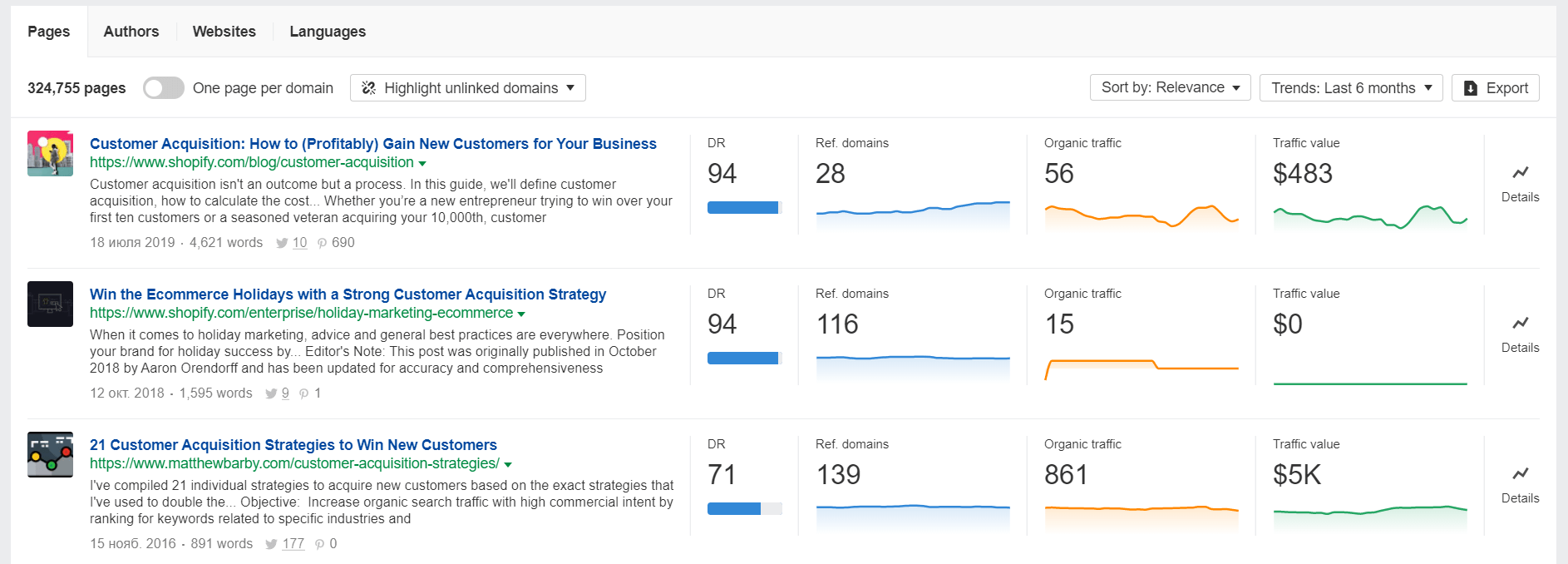
If you are already using this tool for your SEO tasks, then there is no point in looking elsewhere. You can use the Ahrefs’ built-in Content Explorer tool for content curation tasks. Its capabilities are truly impressive: search for content by domain rating, authors, traffic value, number of social shares, and much more. Using it, you can select the relevant posts for curated content based on your goal and monitor user attitudes towards these pieces here and now.
It’s a highly interactive application that will keep you constantly informed about trends, news, and upcoming publications that are worth sharing with your users. Get use of Scoop.it’s strong data analysis capabilities, as well as segmentation and classification by topic, audience interest, and business type. With this tool, you can easily curate content for your blog, social media, and newsletter.
Types Of Curated Content
Social shares: reposting or quoting articles, videos and posts from other accounts, with your own comment added.
Newsletter roundups: a weekly or monthly email that collects the best links on a topic.
Blog link roundups: posts that gather and summarize useful resources from around the web.
Collections and playlists: curated lists, boards or playlists built around one theme.
User-generated content: reviews, photos and posts from customers, shared with permission.
How To Credit Curated Content
Name the source: mention the creator or publication and link to the original.
Add your own view: a short comment on why it matters gives your audience a reason to read it through you.
Quote sparingly: share a short excerpt and send readers to the original for the rest.
Ask before reusing images and video: media usually needs permission or a license, even when credited.
Respect fair use: commentary and short quotes are generally safer than copying whole pieces; when in doubt, link instead of reposting.
Frequently Asked Questions
What is curated content?
Curated content is material created by someone else that you select, credit and share with your own audience. You do not produce it; you choose it, add context, and point people to the original source.
What is the difference between curated and original content?
Original content is produced by you or your team and can rank, earn links and build authority over time. Curated content is selected rather than written, costs far less to publish, and rarely ranks on its own because the search value stays with the source.
How much of a content plan should be curated?
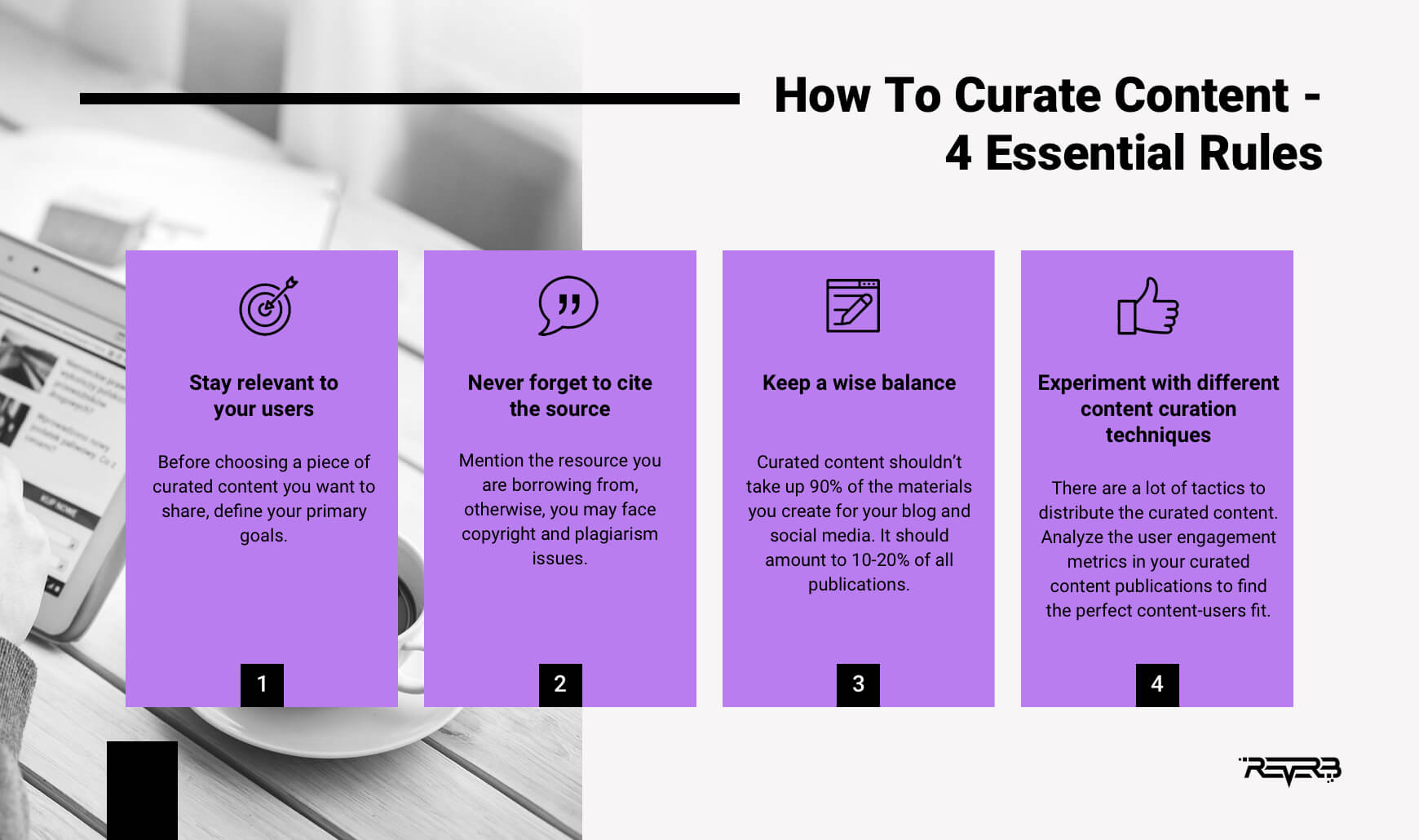
A common working ratio is 10 to 20 percent curated and the rest original. Beyond that, an audience starts to notice that little of what you publish is your own.
Is curated content bad for SEO?
Resharing someone else’s work does not usually earn rankings for your own site, and republishing it in full can create duplicate content problems. Used as intended — a short excerpt, clear credit and a link to the source — it is a distribution and audience tactic rather than a ranking one.
Conclusion
So, we’ve figured out what curated content is and analyzed some easy-to-follow curated content examples. Now, it’s your turn to research and show your users something trendy, relevant, and specific. We are still here to help you. Our marketing agency has hands-on experience in content curation for different projects so you may outsource this task to us and stay focused on your core business challenges.