
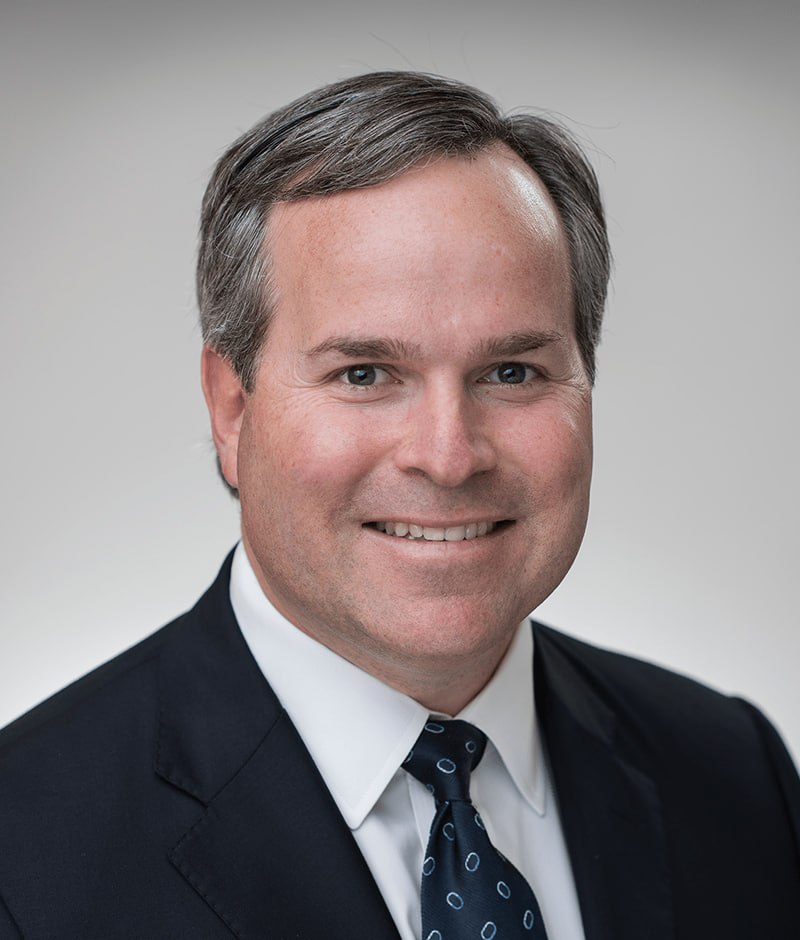
Michael Sealy
Director of Corporate Strategy
Sealy & Company
How would you describe Sealy & Company and your role within the organization?
Sealy & Company is a fully integrated commercial real estate investment and operating platform focused primarily on industrial properties across the United States. For more than 80 years, we’ve built our business by combining investment, development, construction, asset management, leasing, property management, and capital markets expertise within a single organization. That integrated approach allows us to move with discipline, make informed decisions, and create long-term value throughout the entire lifecycle of an asset.
As Director of Corporate Strategy, I focus on the firm’s long-term direction. My role is to evaluate strategic opportunities, align priorities across the organization, and help ensure that decisions made today support where we’re headed tomorrow. Having worked across construction, development, capital markets, and investment analysis, I spend much of my time connecting perspectives across departments, so strategy remains closely tied to execution.
How does Sealy & Company operate as a business?
I think our operating model reflects the way we’ve always approached real estate—as a long-term investment business. We’re a vertically integrated platform, so our investment, development, construction, leasing, asset management, property management, and capital markets teams work together throughout the ownership lifecycle rather than operating independently. That gives us a more complete view of every opportunity and allows us to make decisions with the asset’s long-term performance in mind. We bring in outside specialists when they add value, but we’ve always believed our greatest strength is the depth of expertise we’ve built within the organization and the accountability that comes from managing investments from acquisition through operation.
What differentiates your organization in a competitive market?
I believe it comes back to perspective. Because we’re involved throughout the ownership lifecycle, we evaluate opportunities differently from someone focused on a single transaction or a single phase of a project. We understand how decisions made during acquisition affect development, operations, leasing, and long-term performance because our teams stay involved long after the deal closes. That ownership mindset has shaped the way Sealy & Company has operated for decades.
What part of the commercial real estate industry do you focus on?
Industrial real estate has been Sealy & Company’s focus for decades. We’ve built our platform around acquiring, developing, leasing, and operating industrial assets across key logistics markets throughout the United States. Because we remain involved throughout the ownership lifecycle, we’ve developed a deep understanding of what drives long-term performance in the sector. That’s given us the experience to adapt as markets evolve while staying disciplined in how we invest and operate.
What do people most often come to your team for?
Most conversations begin with a strategic question rather than a transactional one. Whether we’re evaluating new investments, planning development initiatives, assessing capital allocation, or exploring long-term growth opportunities, the objective is the same—to make decisions that strengthen the organization over time.
Our role is often to connect information across departments, evaluate opportunities from multiple perspectives, and help ensure that execution remains aligned with the company’s overall strategy.
How do you stay ahead of industry changes?
The best information usually comes from listening. I’ve found that some of the best market intelligence comes from conversations. I spend a lot of time talking with our operating teams, lenders, investors, brokers, and industry partners because they’re often seeing changes before they show up in market reports. Data is important, but experience helps you understand what’s meaningful and what’s simply part of a market cycle.
Do you see strong long-term relationships in your business?
Absolutely. Commercial real estate has long been and remains a relationship-driven business. Transactions may begin opportunities, but trust is what creates partnerships that last decades. Trust is built over time. Consistency, transparency, and follow-through contribute to long-term relationships more than any single transaction.
How do you measure success when working with partners and stakeholders?
Success starts with execution. Did we deliver what we said we would? Did we create lasting value? Did everyone involved have confidence in both the process and the outcome? Financial performance is important, but long-term success comes from consistently making sound decisions, maintaining alignment, and earning the trust that leads to future opportunities.
What does ongoing support look like after a project or initiative?
The completion of a project is rarely the end of the process. For us, that’s really where the work begins because we often own and operate the assets we invest in. Markets evolve, tenant needs change, and new opportunities emerge. Staying engaged and continually improving an investment are part of our business model.
How do you think about value when evaluating opportunities?
Value comes from understanding the entire investment rather than focusing on a single metric. We spend a lot of time evaluating fundamentals, operating assumptions, and long-term potential because the best opportunities are usually the ones that continue creating value well beyond the initial transaction.
What factors determine whether an opportunity is a good fit?
It starts with discipline. Every opportunity has to align with our investment philosophy and long-term objectives. We look carefully at market fundamentals, location, operational potential, capital requirements, and overall strategic fit. We’ve never believed in pursuing growth simply for the sake of growth. If something doesn’t align with where we’re trying to go, we’re comfortable walking away.
What challenges have you faced during your career?
One of the biggest lessons in my career was realizing that no decision stands on its own. Early on, I tended to focus on the responsibility that was directly in front of me, but over time, I learned that every part of the business is connected. A development decision affects leasing, operations, and ultimately investment performance. Working across different areas of the company taught me to step back, look at the bigger picture, and think about how today’s decisions will shape an asset years down the road.
How do you encourage innovation?
Innovation doesn’t always mean creating something entirely new. More often, it’s improving a process, finding a better way to communicate, or applying lessons from one part of the business to another. I’ve always encouraged people to stay curious because some of the best ideas come from looking beyond your own department.
What role does culture play in success?
Culture is fundamental to how an organization performs. When people trust each other, communicate openly, and understand they’re working toward the same objective, better decisions tend to follow. Culture isn’t something that’s defined by a mission statement. It’s reflected in how people work together every day.
Where do you see the business heading over the next decade?
Technology and data will continue changing the way commercial real estate is evaluated and operated, and that’s creating some exciting opportunities. At the same time, I don’t think the fundamentals change very much. Long-term success will still come from disciplined investing, thoughtful execution, and strong relationships.
How has your leadership style evolved?
One thing that’s changed over the years is my understanding of what leadership actually requires. Early in my career, I was focused on execution and solving the problem in front of me. As my responsibilities grew, I realized that better decisions come from listening to people with different perspectives and creating an environment where those perspectives are heard. Today, I spend less time trying to have all the answers and more time helping talented people work toward the same objective. In my experience, that’s where the best ideas and the best outcomes usually come from.
What industry changes are you watching most closely?
I’m interested in how technology, artificial intelligence, and data analytics are improving decision-making across our industry. We have access to more information than ever before, which is valuable, but information still requires judgment. The companies that combine good data with experienced people will continue to have an advantage. Experience, relationships, and disciplined execution remain essential. Technology should improve decision-making—not replace thoughtful leadership.
What advice would you give someone early in their career?
Early in your career, it’s easy to focus on becoming really good at one job, and that’s important. But I’d encourage people not to lose sight of the bigger picture. Learn how the business works beyond your own responsibilities, spend time with people who do something different from what you do, and don’t be afraid to ask questions. One of the biggest advantages I’ve had in my career came from working across different parts of the business. It gave me a better understanding of how everything connects, and I still rely on those experiences every day.