
George Carralejo
Baseball Coach
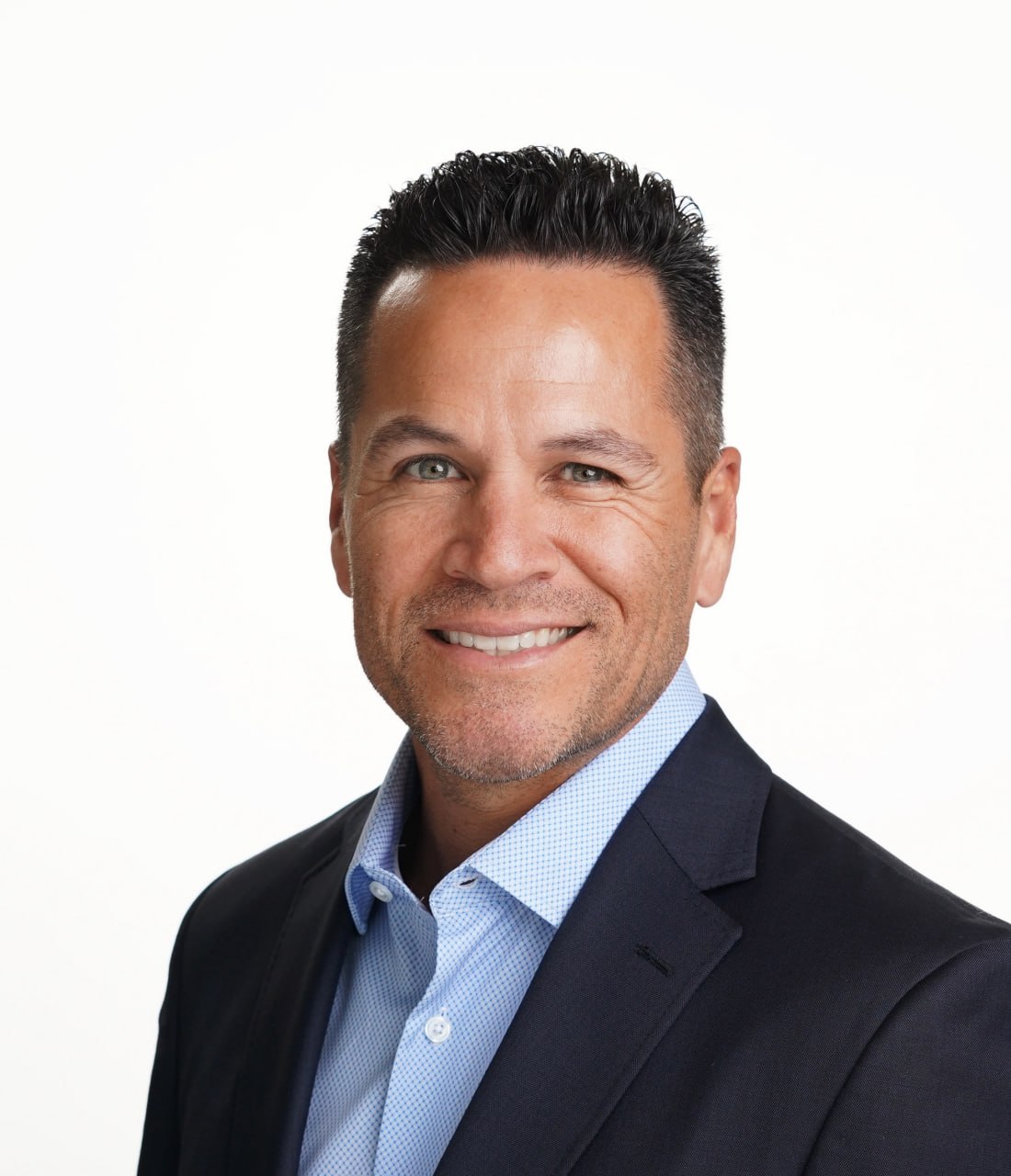
Can you introduce your coaching work and describe your role?
I have spent nearly two decades coaching high school and college baseball. My focus is developing pitchers who can compete at the highest level. What is that “highest level”? For one, it may be pitching in professional baseball, and for another, it may be getting a D1 or D2 scholarship. Each individual is different, my goal has always been to maximize each player’s potential and help them achieve their goals. When someone makes the decision to come play for me, my commitment to them is to give them my very best each day, in effort to help them be the best they can be. I want to help them be the best version of themselves as both a player and a person.
What is your coaching model, and how do you work with players?
I work directly with the athletes I coach. I believe pitching is too important to hand off without close involvement. Every pitcher has different strengths, limitations, and goals. That means development has to be personal. I spend time evaluating mechanics, command, decision-making, and how a player responds during games. From there, we build a plan that fits the individual instead of forcing everyone into the same system. I do not have a cookie cutter approach. I was once asked during an interview, “how do you make a pitcher better?” My response was, “who is the pitcher?” I mean they are all different, so the plan has to be tailored specific to them.
How does your coaching approach differ from others in a crowded baseball environment?
I focus on the entire person. Person first, player second. Let’s build a foundation of confidence in their life. Let’s develop a confident human. As we do that, we focus on the pitcher from multiple angles. First, physically, let’s get them polished mechanically, conditioned properly and build their velocity and shape of their pitches. Give them something to go to war with. Secondly, let’s build their mental toughness and instinct for the game. Don’t tell them what to do, tell them why we do it – how to set hitters up, how to navigate a lineup etc. I mentioned mental toughness; I go back to the beginning and building confidence in the person. I think I am as good as anyone in terms of helping people become the greatest competitor they can be.
Who do you primarily work with, and how has that focus developed over time?
My experience has been with youth, high school and college baseball players. Over the years, I have seen the expectations placed on young pitchers change. Today, there is much more attention on velocity at earlier ages. Because of that, I spend time with young players balancing long-term development with immediate performance. With my college athletes, the focus is on creating D1 pitchers who not only get scholarships but are ready to perform at a high level when they get there.
What do players and families most often seek your help with?
The biggest request is usually better pitching performance coupled with developing their minds to perform at the highest level. That includes improving command, building sound mechanics, developing consistent routines, and preparing for competition. I often get players gravitating to me who have lost confidence and need to regain it. I appreciate that I have gained a great reputation in that area because it is very rewarding to see young players recapture that spark that led to their initial success.
How do you stay current when baseball continues to change?
I pay attention to what happens on the field and in social media. I pride myself on being a life long learner and it’s always been important to me to understand my players’ perspective. I want to know where they are getting their information, so I can both relate and either reinforce it, or combat it. I’ve also learned from years of coaching experience and by observing how successful pitchers compete. If something helps players become healthier and more effective, I am willing to study it. If it isn’t creating meaningful results, we will move on. The important thing is to have an open mind and to never let your ego get in the way.
Do many players continue working with you over time? What builds that trust?
Many relationships continue because players see steady improvement. Trust comes from being honest about what they need instead of telling them what they want to hear. I set realistic expectations, explain the reasons behind every drill, and keep players accountable. Families appreciate consistent communication, and athletes respond when they understand the purpose behind the work. I’ve got three young kids who I miss time with to help these young men. It’s important to me to have transformational relationships and not transactional ones. I want to be a resource to them for as long as they will have me.
How do you measure success with the pitchers you coach?
Performance matters, but it is not the only measurement. I look at command, consistency, decision-making, and confidence during games. I want to see players throwing quality strikes, limit walks, manage pressure, and execute pitches when they matter most. If a pitcher becomes someone a coach trusts in important situations, that is meaningful progress.
How do you continue supporting players outside of games and practices?
Development never stops after one session. I encourage players to build disciplined practice habits and evaluate their own progress. We focus on routines that can be repeated throughout the season. Good communication is important because questions always come up as players continue to grow and compete. The best players take ownership of their careers and I’d like to think I promote that type of environment.
How do you structure your coaching and training programs?
The exact structure depends on the player and the setting. Every athlete starts with an evaluation, followed by work on mechanics, command, and competitive execution. I do not believe in rushing development. Progress happens through consistent work and measurable improvement over time.
How do you balance player development with making coaching accessible?
Every player deserves honest instruction that creates value. My focus is on giving athletes practical tools they can use immediately. Development should be efficient and purposeful. Players should leave each session understanding exactly what they improved and what they need to work on next. They need to have a clear vision of what I value and what it takes to get on the field.
Have you ever decided not to work with a player?
No. I accept the challenge of working with all different personalities. I think it is a strength of mine to get the best out of everyone. I embrace that challenge. There have been times it has not worked out and there is a parting of ways. Sometimes, a player needs a different voice. That’s ok. It happens. That being said, I am proud of my relationships with our players.
What challenges have you seen in recent years, and how have you responded?
One of the biggest challenges is the growing issue with parents in youth sports. Parents are terrible and it is usually the ones who never played or had any success in their athletic careers. They are rarely right, yet never uncertain.
How do you continue improving your coaching methods?
I stay open to learning while staying grounded in fundamentals. Baseball continues to evolve, and coaches should be willing to adapt. At the same time, the basics still matter. There is no need to reinvent the game.
What role do relationships play in your coaching?
Relationships are essential. Players perform better when they trust their coach. That trust comes from consistency, honesty, and mutual respect. I expect players to work hard, and they know I am fully invested in helping them improve. That creates an environment where learning can happen every day.
Where do you hope your coaching impact will be in the next five to ten years?
I want to continue helping more players develop the right way. That means producing athletes who stay healthy, compete with confidence, and understand the game at a deeper level. If players leave my program knowing how to think through competition and continue improving on their own, I have done my job well.
How has your coaching philosophy evolved throughout your career?
Early in my career, I focused heavily on physical skills. Experience taught me that the mental side is just as important. Today I spend more time teaching preparation, decision-making, and composure. Great players know how to execute under pressure because they have prepared for those moments long before they step onto the mound or in the batters box.
What developments in baseball are you watching most closely?
I am interested in all training methods that improve performance. Better information about movement, recovery, and mechanics has value when it is applied responsibly. My priority is always helping players perform at their best over the long term.
What advice would you give young coaches and aspiring baseball instructors?
Teach the player the game before you chase numbers. Listen carefully. Watch closely. Build trust first. Never sacrifice long-term development for short-term attention. The best coaches are remembered because they helped players become better competitors, better teammates, and better people.
More REVERB Interviews
- Jordan Cheyenne — Founder and Lead Mentor
- Chun Ju Chang — Professor
- Matthew Lewis Labarre — co-founder
- Gina Potter — Superintendent
- Andrew Jordan — Superintendent
- Jeremy Packman — Vice Principal and Administrator on Special Assignment
- Bryan Zimmerman — General Dentist
- Dr. Rajendra Bhayani — ENT and facial plastic surgeon