
Linda Ellard
Advanced Practice Registered Nurse & Clinical Nurse Specialist
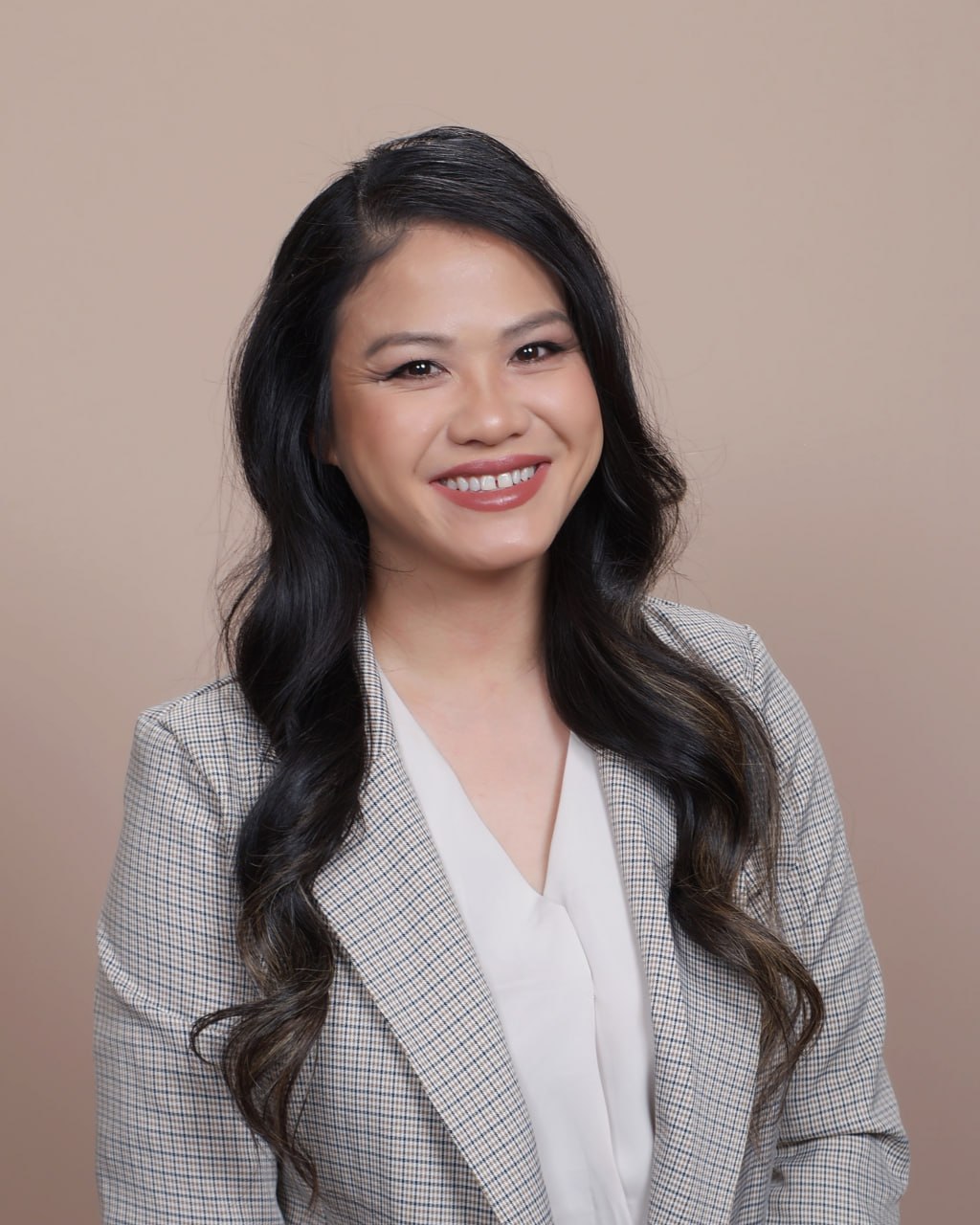
Advanced practice nursing built on careful assessment, timely action, and knowing when another specialist needs to be involved.
Linda Ellard is an Advanced Practice Registered Nurse and Clinical Nurse Specialist. She began her nursing career in Tulsa in 2009 and advanced into APRN practice by 2017. Her experience covers burn care, hospital medicine, infectious disease, chronic pain management, addiction treatment, and wound care, and since 2019 infectious disease has been a major part of her practice.
That focus grew out of burn nursing. She enjoyed wound care, but wanted to understand more about the organisms involved, the infectious process, and the treatment behind what she was seeing. The role she describes rests on clinical judgment, communication, follow-up, and coordination with other specialists when a patient’s needs extend beyond her area. She is also partway through a Doctor of Nursing Practice program, with roughly a year and a half of coursework remaining, and is careful not to represent the degree as finished.
A Career Across Burn Care, Hospital Medicine and Infectious Disease
How is your clinical work structured, and how important is collaboration?
Collaboration is essential. In infectious disease, I have worked alongside five different infectious disease attending providers. Earlier, working as a hospitalist also exposed me to specialists across many areas of medicine. That experience taught me when I can manage an issue directly and when another specialist needs to be involved. Good care is rarely about one person working independently.
What differentiates your approach as a practitioner?
I focus on patience, compassion, and timely action. Clinical knowledge matters, but so does paying attention to what is changing with a patient. One experience early in my advanced practice career reinforced the importance of never unnecessarily delaying care while waiting for information. Now I place a strong emphasis on follow-up and involving other specialists when appropriate.
What areas of healthcare do you primarily serve?
My main areas are infectious disease, addiction treatment, chronic pain management, and wound care. My interest in infectious disease developed while I was working as a burn nurse. I enjoyed wound care, but I wanted to understand more about the organisms involved, the infectious process, and treatment. That interest eventually became an important part of my career.
Assessment, Learning and the Standard of Care
What clinical needs are most central to your work?
Patients come with different needs, so there is no single solution that applies to everyone. My work can involve infectious disease management, chronic pain, addiction treatment, and wound-related concerns. The common requirement is careful assessment. I need to understand what is happening, determine what requires attention, and coordinate the next appropriate step.
How do you stay current as medicine continues to change?
My education and clinical experience provide the foundation, but healthcare requires continuous learning. Working with different attending physicians and specialists has been especially valuable. I also rely on feedback from peers. I believe you have to remain humble enough to recognize that you can always learn something from another clinician or from a situation you have not encountered before.
Building Trust and Following Through
How do you build long-term trust with patients?
Trust starts with patience and compassion. Patients need to feel that their concerns are being taken seriously. Consistency also matters. I try to approach each situation carefully, communicate clearly, and make decisions based on the clinical needs in front of me rather than rushing through the process.
How do you evaluate whether you are providing a high standard of care?
I pay attention to outcomes, follow-up, peer feedback, and my own professional standards. I set high expectations for myself, but I also recognize the importance of listening to other clinicians. Medicine is collaborative. Maintaining a high standard means being willing to evaluate your decisions and improve when experience shows you a better approach.
What kind of follow-up is important after the initial clinical encounter?
Follow-up can be extremely important, particularly when laboratory results, specialist input, treatment response, or changes in a patient’s condition affect the next decision. One of the strongest lessons of my career has been not to allow avoidable delays. If additional expertise is needed, I believe in seeking that input rather than simply waiting.
Billing, Cost and Scope of Practice
How are services billed within the clinical settings where you practice?
Billing structures depend on the specific practice, service, insurance arrangements, and clinical setting. I do not have enough information here to provide one universal billing model for the different areas in which I work.
What is the typical cost of the clinical services you provide?
There is no verified price range in the information available to me. Costs can vary based on the service, treatment, insurance coverage, and setting. I would not want to provide a number without accurate information.
Are there situations where a patient needs a different specialist or level of care?
Absolutely. Part of being responsible in advanced practice is understanding the limits of a particular setting or specialty. If a patient needs expertise or intervention outside my scope, the appropriate response is to involve another specialist or direct the patient toward the necessary level of care.
Challenges and Adapting to Change
What have been some of the most important challenges in your career?
Moving into advanced practice required patience and determination. I did not begin with extensive experience in every situation I would eventually encounter. I learned by working, collaborating, and staying committed to improving. My hospitalist experience was especially useful because it broadened my medical knowledge before I became more focused on infectious disease.
How do you adapt to changes in healthcare and clinical practice?
I stay open to learning. Healthcare does not allow you to assume that what you already know will always be enough. I learn from specialists, attending physicians, peers, and clinical experience. Adaptation also means being willing to reconsider your approach when better information becomes available.
Teamwork, Growth and What Comes Next
What role does teamwork play in effective clinical care?
Teamwork is fundamental. Nurses, advanced practice providers, physicians, specialists, and other healthcare professionals all contribute different perspectives. My experience working with multiple infectious disease attending providers reinforced that point. Strong teams communicate, follow up, and recognize when another person’s expertise can improve a decision.
Where would you like your professional development to take you over the next several years?
I want to continue developing my knowledge and capabilities in the areas where I practice. I also began a Doctor of Nursing Practice program and have approximately a year and a half of coursework remaining. I have not completed that degree, so I am careful not to represent otherwise. My approach is to set realistic goals and work through them individually.
How has your professional approach evolved throughout your nursing career?
I have become more patient, more deliberate, and more aware of the importance of timely decisions. Burn nursing gave me an early clinical foundation. Hospital medicine expanded my knowledge. Infectious disease allowed me to develop deeper expertise. Each stage taught me to remain compassionate while also being decisive when a patient needs action.
What developments in healthcare interest you most?
I am particularly interested in developments that improve how clinicians understand and manage infectious disease, addiction, chronic pain, and wound-related conditions. These areas require careful assessment and coordination. I am interested in practical advances that can help clinicians make better-informed decisions and improve the way care is delivered.
Advice for Nurses Pursuing Advanced Practice
What advice would you give someone pursuing advanced nursing practice?
Be patient, stay determined, and remain willing to learn. Set realistic goals and work toward them one at a time. Listen to your peers and maintain high standards for yourself. Most importantly, do not become complacent. One of the biggest lessons from my career is that good clinical practice requires compassion, accountability, and the willingness to act when action is needed.
Key Learnings
- Collaboration is part of the clinical judgment, not an add-on to it. Knowing when an issue can be managed directly and when another specialist belongs in the room is itself a skill.
- Avoidable delay is a clinical risk. Waiting on a result or an opinion when action is already warranted was the lesson that reshaped how she practices.
- Careful assessment is the one constant. Patients arrive with different needs, so the work is understanding what is happening, deciding what requires attention, and coordinating the next step.
- Trust is built through patience, consistency and clear communication rather than speed.
- Staying current requires humility. Attending physicians, specialists and peers are a continuing source of learning, and reconsidering an approach when better information arrives is part of the standard.
- Recognizing the limits of a setting or a specialty, and directing a patient to the right level of care, is a responsibility rather than a shortfall.
What Is an APRN-CNS?
An Advanced Practice Registered Nurse, or APRN, is a registered nurse who has completed graduate level education and holds national certification in an advanced clinical role. A Clinical Nurse Specialist, or CNS, is one of the four recognized APRN roles, alongside nurse practitioners, certified nurse midwives and certified registered nurse anesthetists.
What sets the CNS role apart is its breadth. A clinical nurse specialist works directly with patients, but also shapes care at the level of the nursing staff and the wider system: advising on complex cases, improving practice, and translating evidence into how a unit actually runs. In day to day terms, an APRN-CNS may assess and manage patients within a defined scope, order and interpret diagnostics, prescribe within state rules, and coordinate with attending physicians and specialists when a case moves past that scope.
Scope of practice varies by state. Some states grant APRNs full practice authority, while others require a collaborative agreement with a physician. That variation is one reason experienced advanced practice nurses describe the work the way Linda Ellard does, as a running judgment about what can be handled directly and what needs another set of eyes.