
Hong Wei Liao
Lead Strategiest
Botrich Family Wealth Heritage
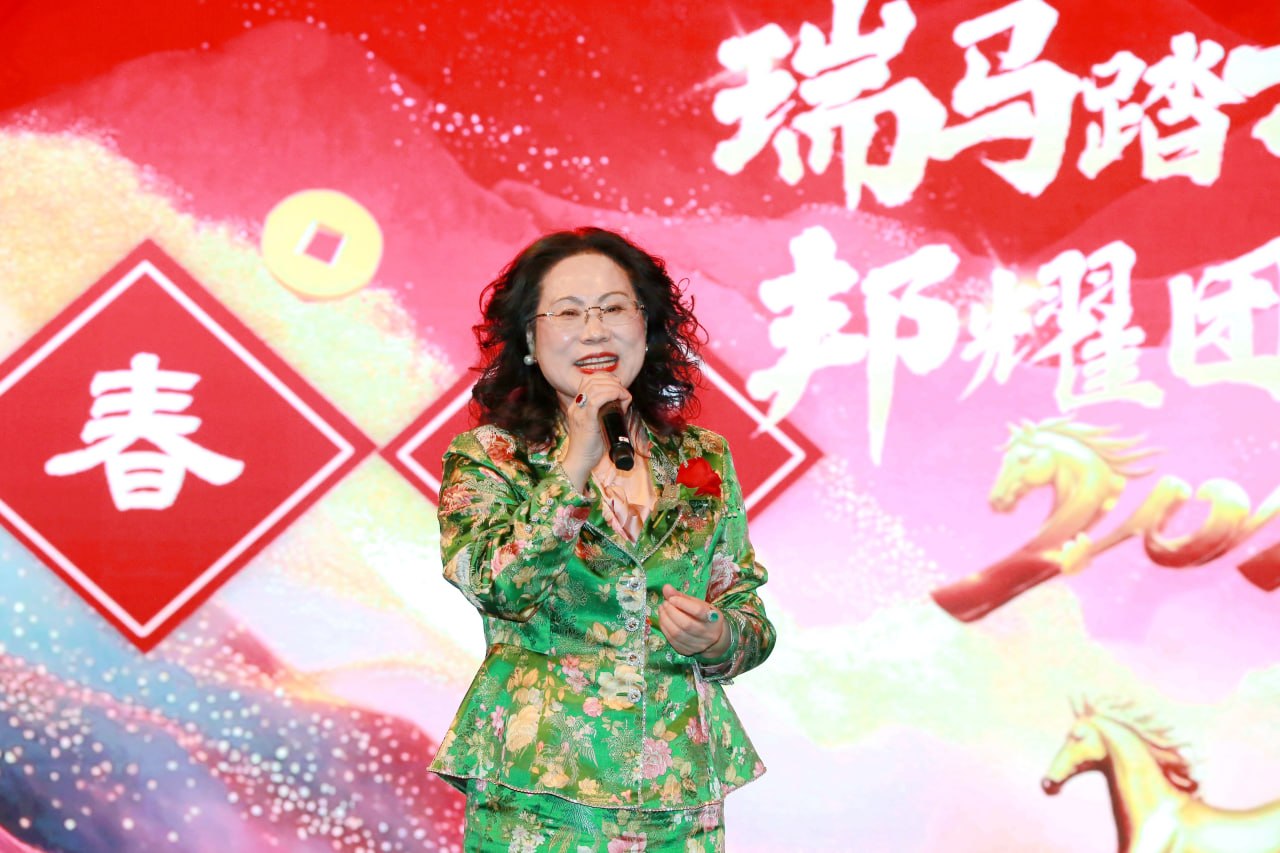
Please introduce your work and your role today
I lead the Botrich Family Wealth Heritage and Development Center, where I focus on long-term planning, global perspective, and connecting people with the right knowledge and opportunities. My work is centered around helping individuals and families think strategically about growth, continuity, and legacy. I also support initiatives that bring together professionals, communities, and resources across different regions.
How would you describe the approach behind your work?
My approach is based on structure and clarity. I focus on helping people organize their thinking, define their goals, and take a long-term view. Many individuals are focused on short-term results, but I believe sustainable success comes from consistent planning and disciplined decision-making.
What makes your perspective different from others in your field?
I focus on the bigger picture. Many people look at individual opportunities or short-term outcomes. I look at how everything connects over time. That includes education, values, and long-term direction. I also place strong emphasis on global awareness because today’s environment is not limited to a single market or perspective.
Who do you typically work with or support?
I work with individuals, families, entrepreneurs and professionals who are thinking beyond immediate results. Many are looking to build something long-term, whether that is in business, community involvement, or personal development. I also spend a significant amount of time supporting youth initiatives and leadership programs.
What areas are people most focused on today when they come to you?
Many people are focused on direction. They want clarity on where they are going and how to make better decisions. There is also a strong interest in education, leadership development, and understanding how to navigate a more global environment.
How do you stay informed in a fast-changing global environment?
I stay connected to people and patterns. Conversations across different industries and regions are very important. I also observe how trends develop over time rather than reacting to short-term changes. This helps me maintain a more stable perspective.
Do you see long-term relationships as important in your work?
Yes. Relationships are very important. Trust builds over time, and consistency matters. When people feel supported and understood, they are more confident in their decisions. That creates a long-term connection.
How do you define success in your work?
Success is stability and progress over time. It is not about quick results. It is about helping people build something that lasts and continues to develop in a positive direction.
What kind of ongoing involvement do you have with the people and initiatives you support?
I stay engaged through communication, guidance, and participation in initiatives. This can include supporting events, contributing to discussions, or helping connect people with opportunities. The goal is to remain consistent and present.
How do you approach challenges in today’s environment?
Challenges are part of any process. I focus on understanding the situation clearly and responding with structure. When you approach challenges calmly and systematically, you can move forward more effectively.
How do you continue to evolve your work over time?
I focus on refinement. Small improvements in thinking and process can make a big difference over time. I also stay open to learning from others and adapting when needed.
What role does culture and values play in what you do?
Values are very important. They guide decisions and shape long-term outcomes. I believe in responsibility, discipline, and respect for others. These principles create a strong foundation.
What is your long-term vision for your work?
I want to continue building platforms that connect people, ideas, and opportunities across regions. The focus is on creating environments where individuals can grow, collaborate, and contribute meaningfully.
How has your leadership style developed over time?
I have become more focused on clarity and structure. Earlier, I was more focused on doing everything directly. Now I focus on creating systems and guiding direction so others can contribute effectively.
What trends are you paying attention to right now?
I pay attention to global connection and how people adapt to change. There is increasing importance on education, adaptability, and understanding different perspectives.
What advice would you give to those building their own path today?
Focus on discipline and long-term thinking. Do not rush decisions. Take the time to understand what you are doing and why. Consistency is more important than speed.
More REVERB Interviews
- Nikesh Seth — CEO
- Denaesh Ariyanayagam — Consultant General and Vascular Surgeon
- Shahriar James Ekbatani — Chairman of the Board
- Tangela Q. Parker — Enterprise Leader
- Ben Barton — Medical Consultant
- Janice Crowder — Obstetrician and Gynecologist
- Bracken McKey — Attorney at law
- Timur Yusufov — Head of Operations