
Nathan Weingarten
Software Developer
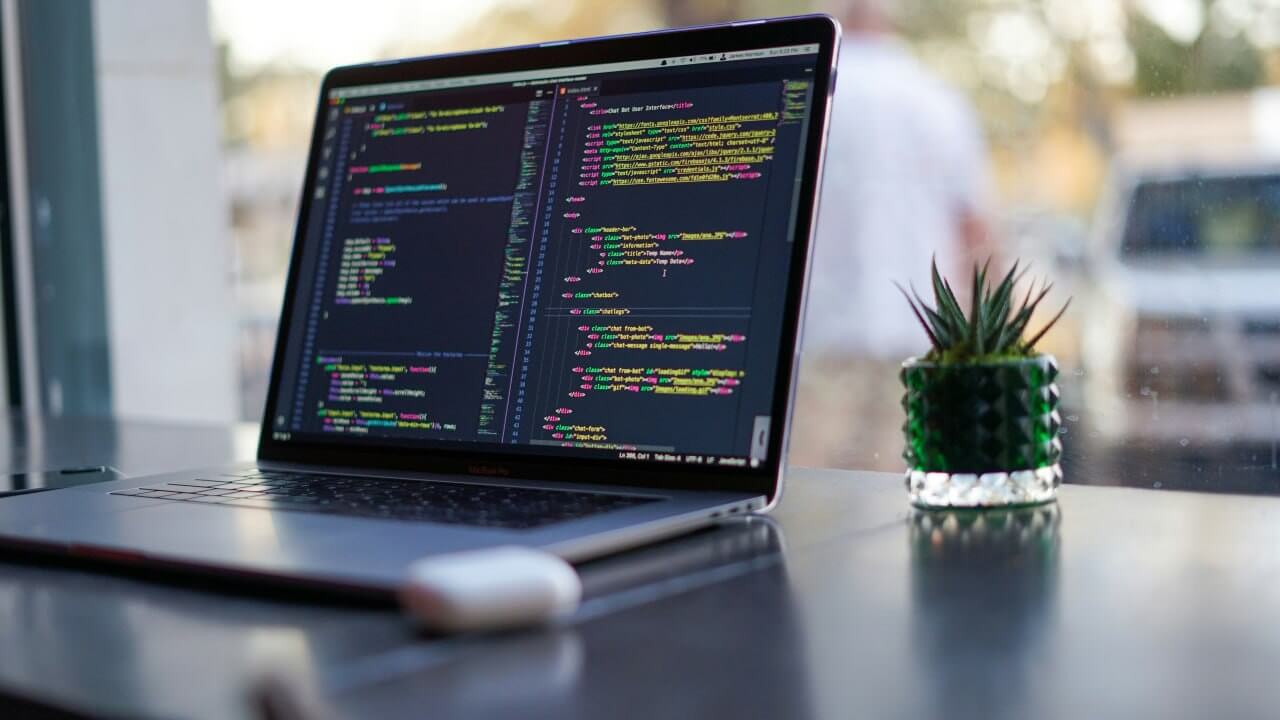
How would you describe your work in software development, and what role do you play?
I work as a software developer with a focus on building reliable, maintainable systems. My role is to solve technical problems in a way that holds up over time, rather than creating quick fixes that become difficult to support later. I spend a lot of time thinking about structure, scalability, and simplicity. Good software is rarely about writing the most code. It is about making thoughtful decisions that reduce complexity while allowing systems to grow. I approach every project with the idea that someone else, or even my future self, should be able to understand and improve what I build.
What does your typical approach to software development look like?
I believe every project should start by understanding the problem instead of jumping straight into writing code. Once I understand the requirements, I look for the simplest architecture that can support both current needs and future growth. I try to avoid unnecessary complexity because every additional layer introduces maintenance costs later. My goal is to create systems that remain clear, stable, and adaptable as requirements evolve. I value consistency in both coding standards and decision-making because those habits create better long-term results than constantly changing direction.
How does your approach differ from that of many software developers?
The software industry often rewards speed, but I think long-term quality deserves just as much attention. Many projects become harder to maintain because teams prioritize immediate delivery over sustainable engineering. I prefer to slow down enough to build a strong foundation before adding new features. That approach usually saves time over the life of a project because there are fewer issues to fix later. I also spend time examining patterns that remain relevant regardless of changing frameworks or programming languages. Those principles help me adapt without constantly reinventing my approach.
What types of technical challenges do you enjoy solving most?
I enjoy working on problems where organization and clear thinking make the biggest difference. Large systems often become difficult because small decisions accumulate over time. I like finding ways to simplify those systems without sacrificing functionality. Whether it involves improving architecture, reducing unnecessary dependencies, or making code easier to understand, I enjoy work that creates long-term stability. I also appreciate challenges that require careful analysis instead of rushing toward the first available solution.
How do you stay current in an industry that changes so quickly?
Technology changes constantly, but I don’t think it’s productive to chase every new trend. Instead, I spend time reading technical material, studying engineering concepts, and understanding why certain approaches work well over time. When a new technology appears, I try to evaluate whether it solves a real problem or simply introduces more complexity. That mindset helps me separate lasting improvements from temporary excitement. Continuous learning is essential, but it should always be guided by practical thinking rather than fear of missing out.
How do your daily habits influence your work as a software developer?
Consistency outside of work supports consistency inside of work. I stay active through tennis, cycling, swimming, and padel because physical activity helps clear my mind and improve my focus. When I return to technical work after exercising, I often see problems from a different perspective. Reading also plays an important role in my routine. I enjoy learning from technical books and articles because they expose me to different ways of thinking without replacing the importance of practical experience. Those habits help me stay disciplined over long periods rather than relying on bursts of motivation.
How do you approach collaboration on technical projects?
Good software development depends on clear communication. Even when working independently, every decision eventually affects other developers, users, or stakeholders. I try to write code that explains itself through good structure and meaningful organization. I also believe technical discussions should focus on solving problems instead of defending personal opinions. The best solution usually comes from evaluating ideas objectively. If someone presents a better approach, I see that as an opportunity to improve the final product rather than a personal criticism.
What role does discipline play in software engineering?
Discipline is one of the most valuable skills a developer can have. It’s easy to stay organized when a project is small, but maintaining that discipline over months or years requires consistent habits. Writing clean code, documenting important decisions, reviewing work carefully, and resisting shortcuts all require discipline. Those habits may not produce immediate recognition, but they reduce technical debt and create stronger systems. I think discipline is less about strict routines and more about making good decisions repeatedly.
How do you define technical leadership?
Leadership is not determined by a title. In software development, I believe leadership is demonstrated through responsibility and consistency. Developers influence the people around them through the quality of their work, the clarity of their thinking, and the standards they maintain. When someone consistently produces reliable solutions and approaches problems thoughtfully, others naturally begin to trust their judgment. I think good technical leadership creates an environment where quality becomes the expectation rather than the exception.
What challenges do you think the software industry will face in the coming years?
The pace of technological change will continue to accelerate, especially as artificial intelligence becomes more integrated into software development. While these tools create exciting opportunities, they also increase the importance of strong engineering fundamentals. Technology can help developers work faster, but it cannot replace sound judgment, thoughtful architecture, or careful problem solving. I believe the developers who succeed over the long term will be the ones who combine new technologies with disciplined engineering practices rather than relying entirely on automation.
How do you measure success in your work?
I don’t measure success by how many features I deliver or how quickly I finish a project. I measure it by whether the software continues to perform well months or years after it is built. If a system remains understandable, scalable, and easy to maintain, I consider that a successful outcome. Long-term reliability is more meaningful to me than short-term speed because software rarely ends when the first version is released.
What advice would you give to someone beginning a career in software development?
Focus on learning principles before tools. Programming languages and frameworks will continue to change throughout your career, but the ability to solve problems logically will always remain valuable. Build the habit of writing clean code even when nobody is asking for it. Stay curious, keep reading, and don’t be afraid to revisit your own work to understand how you can improve it. Most importantly, remember that consistency matters more than occasional bursts of productivity. Small improvements repeated over time usually produce the strongest results.