
Darryl Kauffman
Accountant, Consultant & Business Coach
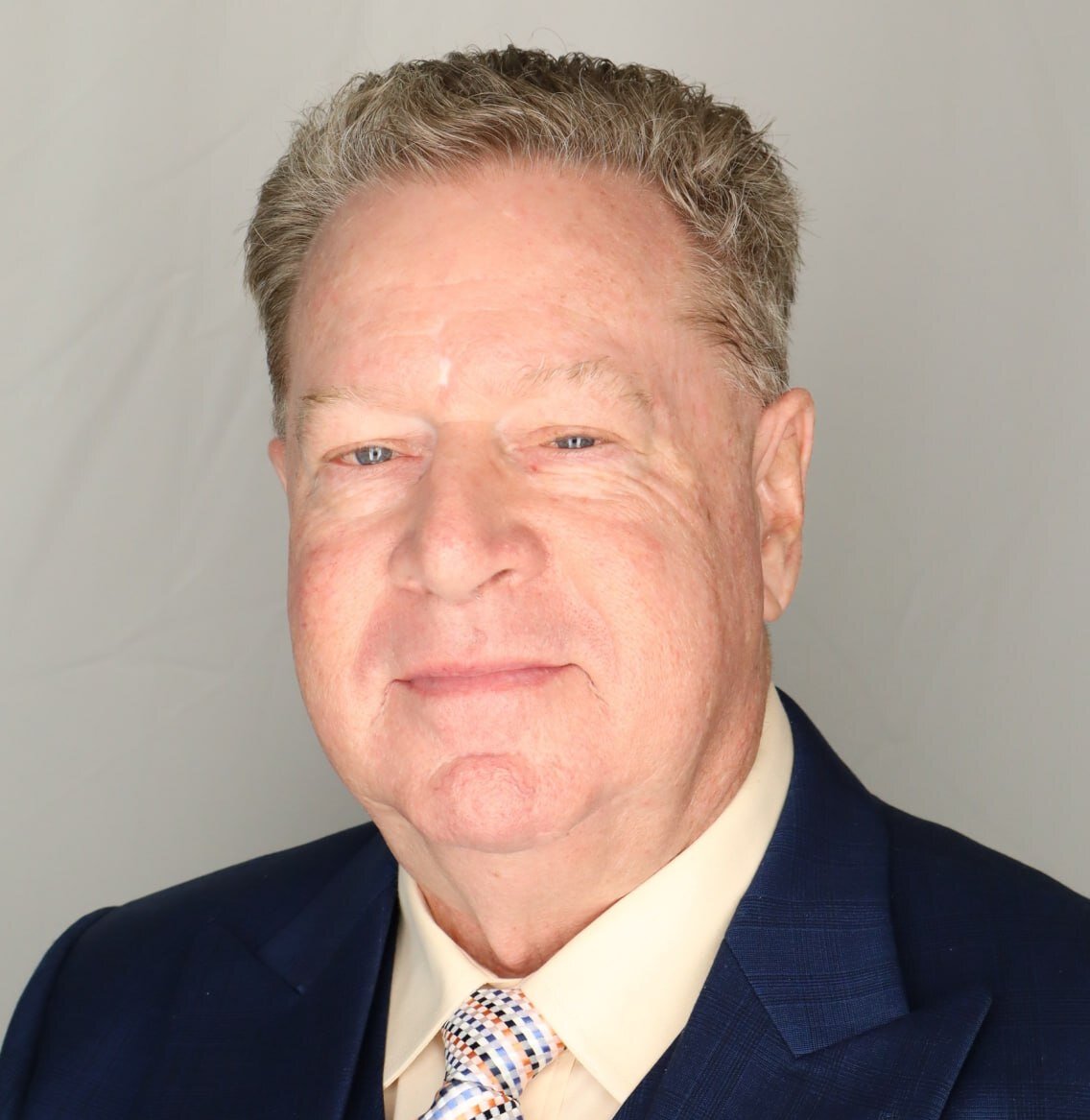
Darryl Kauffman is an accountant, consultant, business coach and entrepreneur based in Las Vegas. Over roughly forty years in business he has worked in public accounting and held financial and operational roles at companies including Strings Restaurants, Dole and McDonald’s, before running his own CPA practice and moving further into consulting.
Today his work centers on independent business coaching and consulting for owners, entrepreneurs and growing companies, alongside independent work in merchant services. He is completing a coaching certification through Focused and, after earning his MBA at Pepperdine, is studying New Venture Management and Quantitative Finance at UNLV.
Can you introduce yourself and explain the work you are focused on today?
I’m Darryl Kauffman, an accountant, consultant, business coach, and entrepreneur based in Las Vegas. I have worked in business for about four decades, including public accounting and financial and operational roles at companies such as Strings Restaurants, Dole, and McDonald’s. I later operated my own CPA practice and moved further into consulting.
Today, my work is becoming more focused on business coaching and consulting. I am completing a coaching certification through Focused and plan to actively build that side of my practice. I am also working independently in merchant services. At the same time, I am studying New Venture Management and Quantitative Finance at UNLV after completing my MBA at Pepperdine.
How is your consulting and coaching work structured?
My work is independent, so I do not operate like a large consulting company with multiple departments and layers of staff. I work directly with business owners and look at the problem they are actually trying to solve.
I do not believe every business problem requires a consultant. Sometimes an owner needs a specific technical resource. Other times, the owner already knows the answer and needs help working through the decision or following through. I try to understand that distinction before deciding what kind of support makes sense.
What makes your approach different from traditional business consulting?
I have seen businesses from several seats. I have worked in accounting, analysis, financial leadership, operations, consulting, and entrepreneurship. That changes the questions I ask.
If someone tells me sales are increasing, for example, I do not automatically assume everything is improving. I want to know what is happening to workload, margins, customer service, cash requirements, and the people responsible for delivering the work. Growth can solve problems, but it can expose them too.
What types of businesses do you work with?
My background crosses several industries, including restaurants, agriculture, large corporate organizations, senior care, and small business. My current interests are broader than one industry. I am particularly interested in business owners, entrepreneurs, and growing companies dealing with practical operating decisions.
The industry matters, but so does the business stage. A company trying to find its first customers has very different problems from one that has grown to the point where the founder cannot personally oversee every decision.
What problems do business owners most often need help thinking through?
Many business problems look simple when first described. The hard part is figuring out what is underneath.
An owner might think there is a sales problem when the real issue is customer retention. A company may think it needs another employee when an existing process is creating unnecessary work. A founder may believe employees need more supervision when every decision still requires the founder’s approval.
I like to ask what changed, what has already been tried, and what happens if nothing changes.
How do you stay current when business conditions keep changing?
I keep learning. I read extensively, stay involved in business, and continue formal education. My current work at UNLV exposes me to new venture management and quantitative finance, while my professional work keeps those ideas connected to real business situations.
I also try not to confuse new with useful. A new technology or management idea still has to solve a real problem.
How important are long-term client relationships in consulting and coaching?
I value them, but I don’t have a verified repeat-client percentage I would want to quote. What matters more to me is whether continuing the relationship is useful to the client.
Consulting should not create unnecessary dependence. If someone eventually becomes better equipped to handle a problem without me, I consider that a positive outcome.
How do you determine whether clients are getting value from your work?
I look for clarity and action. Did we identify the actual problem? Does the client understand the options? Is there a practical next step? Later, we can look at what changed and whether the original assumptions were correct.
Not every useful result fits neatly into one metric, but the work should lead somewhere. I do not want to produce recommendations that simply sit in a document.
What happens after you help a client address the initial issue?
That depends on what the client needs. Some problems are specific and can be addressed in a defined engagement. Coaching can require more regular conversations because the work involves decisions, accountability, and issues that develop over time.
I do not think every client needs the same cadence. The structure should fit the problem.
How do you structure pricing and billing?
My pricing depends on the type and scope of work. I do not have one universal billing structure that applies to consulting, coaching, and other business activities.
I prefer to understand what someone actually needs before defining an engagement. Otherwise, it is easy to sell more work than the problem requires.
What is the typical price range for your current engagements?
I do not have a current verified price range that I would present publicly. My coaching practice is still developing as I complete certification, so I would rather establish pricing based on the actual service and scope than provide a number that may not represent the work accurately.
Are there projects or clients you would turn down?
Yes. Fit matters. I would be cautious about accepting work when the requested service falls outside my experience or when someone expects an outcome I cannot reasonably promise.
Budget matters too, but scope is just as important. I would rather decline an engagement than agree to something with misaligned expectations from the start.
What challenges have shaped the way you work?
One challenge has been moving between very different organizations and industries. The same solution does not work everywhere. Something that makes sense in a restaurant organization may make no sense in another business.
That taught me to spend more time understanding context before recommending changes.
How do you approach innovation and new technology?
I start with the problem, not the technology. I am interested in new tools, but I want to know what they improve. Do they save time? Reduce errors? Give someone better information? Make the customer experience easier?
If I cannot explain the practical benefit, I am not sure being new is enough.
What role does culture play in a business?
Culture becomes visible in ordinary decisions. It shows up in who can make decisions, how mistakes are handled, whether people share information, and whether employees feel comfortable pointing out a problem.
I do not think culture is something management can create with a slogan. Employees learn what the organization values by watching what actually happens.
Where do you see your work developing over the next five to ten years?
I expect coaching, consulting, and entrepreneurship to remain important parts of my work. I am deliberately continuing my education because I still want to build and explore new things rather than treating this stage of my career as a wind-down.
I am less interested in attaching a specific size target to that than in building work that remains useful and interesting.
How has your leadership style changed over your career?
I am slower to assume I have the answer. Experience can give you pattern recognition, but it can also tempt you to decide too quickly that you have seen a situation before.
I ask more questions now. I want to understand what is different about this business, this customer, or this decision before relying on an old solution.
Which emerging business changes interest you most?
I am interested in how businesses use better data, automation, and new financial technology without unnecessarily complicating their operations. Merchant services is one example. Customers do not care about the machinery behind a payment. They want the transaction to work.
I think the same principle applies to a lot of technology. Behind-the-scenes complexity is acceptable if it creates simplicity for the person using it.
What lesson would you share with someone building or leading a business?
Do not confuse being needed with building something that works.
Early in a business, the founder often knows every customer and answers every question. That can be efficient. Eventually, it can become a limitation. If the company cannot function without you making every decision, you have created a job for yourself, but you may not have created an organization that can grow.
I think leadership eventually requires giving other people enough information and authority to make good decisions without waiting for you. That transition is uncomfortable, but it’s important.
Key Learnings
- Diagnose before prescribing: the stated problem is often not the real one, so ask what changed, what has been tried and what happens if nothing changes.
- Growth can expose problems as easily as it solves them. Watch workload, margins, cash and the people delivering the work, not just sales.
- Good consulting builds capability rather than dependence, and scope should match what the problem actually requires.
- Judge new technology by the practical benefit it delivers, not by the fact that it is new.
- Culture is shown in everyday decisions, not created with slogans.
- Founders must eventually hand others the information and authority to decide without them, or they have built a job rather than an organization.