
Edward Witt
Owner
Recovery Center
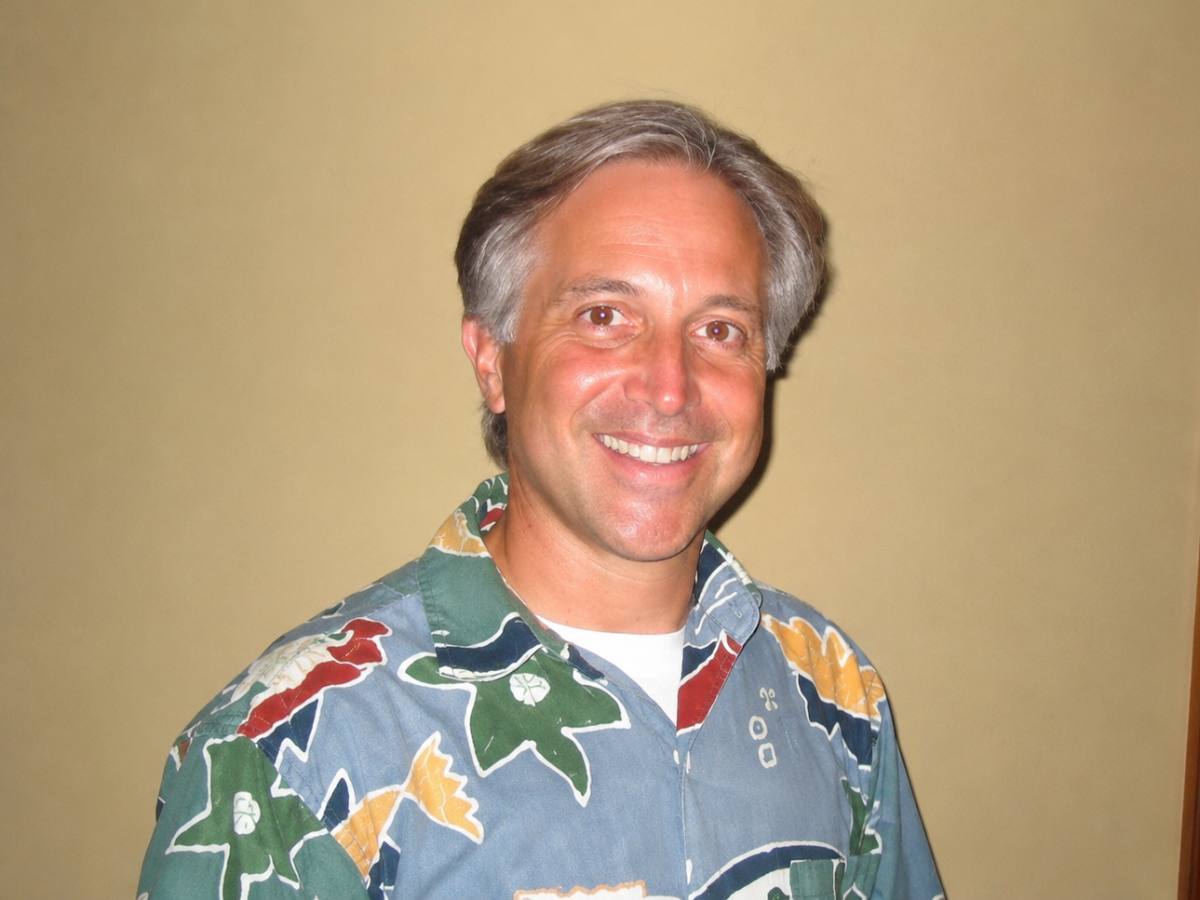
Please introduce your medical background and describe your role at Recovery Center.
I spent about 30 years practising medicine after completing medical school and a Family Practice residency. During my career, I worked with Huntsville Hospital, Crestwood Hospital, and Maryvale Hospital in Phoenix. I also owned and operated several clinics, including Southcare Clinic, an aesthetic practice, and Recovery Center. I am now retired from full-time practice, but I still own Recovery Center and occasionally go in when I am needed. My role has changed, but I remain connected to the work and the people there.
How is Recovery Center structured, and how is patient care delivered?
Recovery Center is built around direct patient care, particularly for people dealing with addiction and early recovery. My approach has always been hands-on and relationship-driven. Medical knowledge matters, but so does knowing the patient, understanding what they are dealing with, and making sure they feel that someone is paying attention. I have always believed that good medicine requires both clinical judgement and consistent communication.
What has differentiated your clinics from other medical practices?
Customer service has probably been my strongest area throughout my career. Medicine is technical, but patients still want to be treated like people. They want their questions answered, their concerns taken seriously, and their time respected. I carried that approach through all three clinics I operated. You can have strong medical knowledge, but if patients do not trust you or feel comfortable speaking honestly, it becomes much harder to help them.
Which areas of medicine have been the biggest focus of your career?
My background is in Family Practice, so my career exposed me to a broad range of medical issues. Over time, addiction recovery became an especially important area of my work. At Recovery Center, I have worked with people at points when stability can be difficult to maintain. Supporting someone during early recovery is not simply about one appointment. It involves medical care, consistency, education, accountability, and helping that person build a support system.
What do patients most often need when they come to Recovery Center?
They need medical support, but they also need stability. Early recovery can be a vulnerable period. Some patients need help maintaining sobriety, understanding their treatment, or simply having a reliable medical professional they can speak with. My goal has always been to help people stay alive, stay engaged in recovery, and keep moving forward. There is no substitute for showing up consistently when someone is trying to rebuild their life.
How have you stayed current in medicine throughout such a long career?
Medicine requires ongoing education because standards, treatments, and available information keep changing. During my working years, I maintained professional affiliations and was board certified in Family Practice for many years. I was also involved with organisations related to family medicine, emergency medicine, anti-ageing medicine, and regenerative medicine. Beyond formal education, I learned a great deal from treating patients every day and paying attention to what worked in practice.
Has patient loyalty played an important role in the success of your clinics?
Yes. Repeat relationships have always mattered. In medicine, loyalty usually comes down to trust. Patients remember whether you listened, whether you followed through, and whether you treated them well when they needed help. I never saw that as a marketing strategy. It was simply how I thought a medical practice should operate. If you consistently treat people well, many of them continue coming back.
How do you evaluate whether patients are receiving a high level of care?
I look at whether people are getting the support they need and whether communication remains strong. In addiction recovery, one of the most important outcomes is continued engagement. You want people to keep showing up, remain committed to recovery, and reach out before problems become crises. Formal measurements have their place, but I have always paid close attention to the individual person in front of me.
What kind of ongoing support is important after the initial stage of treatment?
Recovery does not stop after one appointment, so ongoing availability matters. People can have questions, setbacks, changes in their lives, or periods when they need additional guidance. The goal is to maintain a relationship that gives the patient somewhere to turn. I have seen how important a support system can be, especially in early recovery when the consequences of losing stability can be serious.
How is care at Recovery Center billed or priced?
I have not provided specific information about Recovery Center’s current billing structure, so I would not want to guess. In healthcare, pricing can depend on the type of care being provided and other circumstances. My responsibility as a proprietor was always to make sure that the service being delivered justified the trust patients placed in us.
What price range do patients typically encounter?
I have not provided current pricing figures or a typical range for the clinic. What I can say is that I have always believed value in medicine comes from more than the appointment itself. Patients are also relying on your experience, availability, judgement, communication, and ability to provide continuity of care.
Are there patients or situations that Recovery Center may not be equipped to handle?
Every medical practice has limits, and responsible medicine requires recognising them. A clinic should never pretend to provide care that falls outside its capabilities. If somebody requires a different level of treatment, a specialist, emergency intervention, or another service, the responsible decision is to direct that person toward the appropriate care rather than trying to handle everything internally.
What have been some of the biggest challenges in operating medical practices?
Medicine combines patient care with the realities of running an organisation. You have staffing, scheduling, regulations, documentation, operating expenses, and patients who may be dealing with difficult situations. My approach was to keep the focus simple. Treat people right, work hard, educate others, and take care of the patient. Those principles helped me stay focused when the administrative side became complicated.
How have you adapted to changes in medicine over the years?
I have always been willing to learn. A physician cannot practise exactly the same way for 30 years while medicine changes around them. You have to keep evaluating new information while also using experience and judgement. Not every trend deserves immediate adoption, but you cannot ignore new ideas simply because they are different from what you learned earlier in your career.
What role does culture play inside a successful medical practice?
Culture affects how patients are treated when the physician is not standing in the room. Everyone has to understand that the person walking through the door may be scared, frustrated, sick, or struggling. Respect has to carry through the entire practice. I tried to build clinics around service because one poor interaction can damage the trust that took a long time to establish.
What do you see as the future of Recovery Center now that you are retired?
I am retired from daily practice, but I still own Recovery Center and remain available when I am needed. At this stage, I care more about maintaining the quality of the work than expanding simply for the sake of growth. I want the clinic to continue helping people through recovery and providing the type of personal support that has always been important to me.
How has your leadership style changed over your career?
Early in a career, you tend to focus heavily on proving that you can do the work. Experience teaches you that leadership is also about helping other people perform well. My parents, teachers, friends, coaches, and people I admired in sports and music all influenced me. Hockey also taught me a great deal about preparation, teamwork, discipline, and understanding your role within a larger group.
Which changes in healthcare interest you most today?
I am interested in anything that improves patient care without removing the human relationship from medicine. Technology can improve access to information, communication, and efficiency, but medicine still depends on trust. A patient has to feel comfortable telling you what is actually happening. No technology replaces that relationship.
What advice would you give someone hoping to lead a medical practice or healthcare organisation?
Learn the medicine, but also learn how to treat people. I worked a lot of different jobs before and during my education, from lifeguarding and working at McDonald’s to caddying at golf courses. Those jobs taught me something important: every person deserves respect regardless of the setting. That lesson stayed with me throughout medicine. Technical ability may get someone through the door, but how you treat people determines the relationships you build over a career.
More REVERB Interviews
- Bryan Scott McMillan — Medical Device Executive Advisor
- Denaesh Ariyanayagam — Consultant General and Vascular Surgeon
- Nikesh Seth — CEO
- David Ferrera — CEO
- Austen Hacker — Licensed Pharmacist
- Linda Ellard — Advanced Practice Registered Nurse & Clinical Nurse Specialist
- Adam Weitsman — Founder and CEO
- Andrew Jordan — Superintendent