
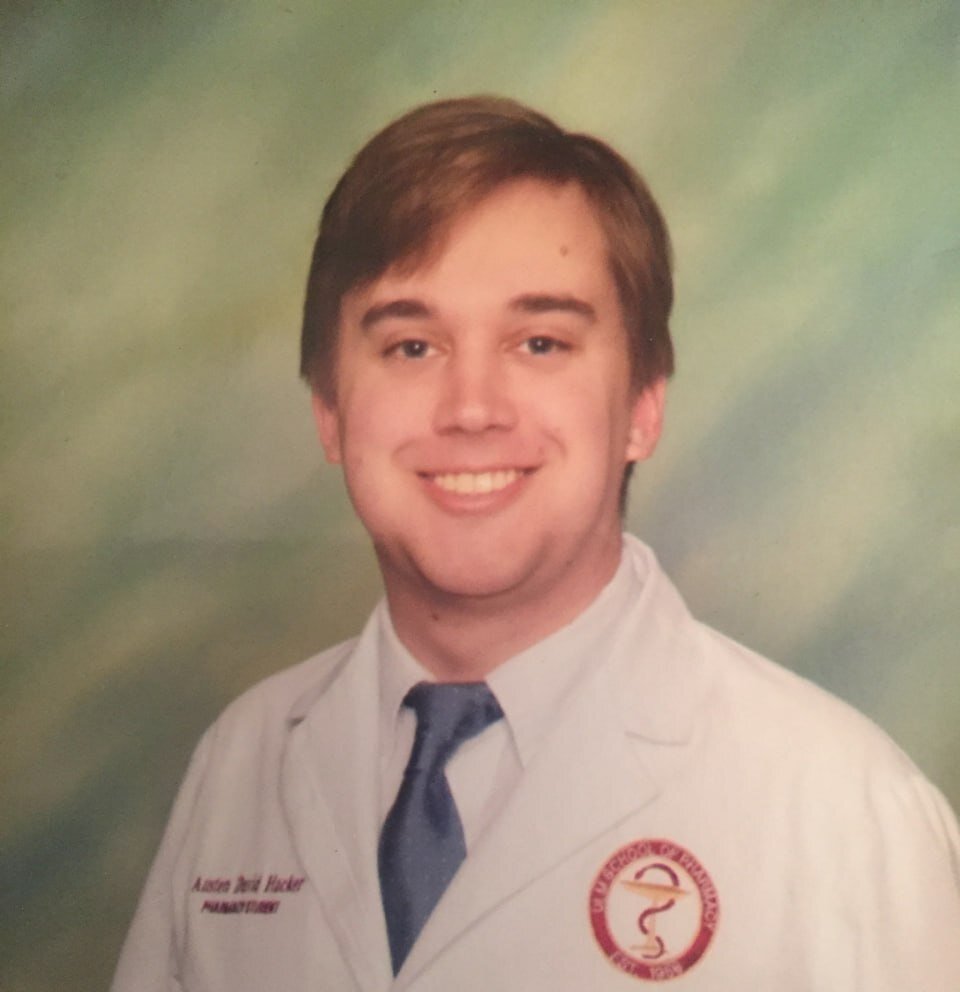
Austen Hacker
Licensed Pharmacist
Please introduce your pharmacy leadership experience and describe your role within healthcare organizations.
I am a licensed pharmacist in Arkansas with experience across oncology, hospital, ambulatory, institutional, and retail pharmacy settings. Throughout my career, I have served as a staff pharmacist, a pharmacist-in-charge, and a director of pharmacy. My responsibilities have included managing pharmacy operations, developing workflows, overseeing compliance, supporting clinical services, and leading pharmacy teams. I have also helped open and manage an oncology pharmacy, establish a surgery center pharmacy, and oversee operations for multiple hospital pharmacies.
What is the operational model behind the pharmacy departments you have led?
The organizations I have worked with have primarily relied on in-house pharmacy teams. My role has been to ensure those teams operate efficiently while maintaining high standards of patient care, safety, and regulatory compliance. In healthcare, consistency and accountability are critical, so building strong internal systems and processes has always been a priority.
How do you differentiate yourself as a pharmacy leader in a complex healthcare environment?
I focus on engagement, accountability, and operational excellence. I believe leaders should be fully involved in the work they oversee. I do not view leadership as simply managing people. It involves understanding processes, supporting staff, solving problems, and continually seeking ways to improve patient outcomes.
I have found that some of my biggest professional accomplishments have come from being fully committed to the task at hand. As I often say, “I strive to be as engaged as possible in everything I do.”
What healthcare sectors have you worked in, and how has your focus evolved over time?
My career began in retail pharmacy and expanded into hospital and institutional settings. Over time, I became increasingly interested in leadership and operational management. That led me into director-level positions where I was responsible not only for medication management but also for staffing, budgeting, compliance, and strategic planning.
Most recently, I have worked in oncology pharmacy, which requires a high degree of precision and coordination.
What are the most important problems you help solve within pharmacy operations?
Patient safety is always the top priority. Beyond that, I focus on operational efficiency, regulatory compliance, workflow optimization, staffing challenges, and service development.
Opening new pharmacy operations is another area where I have gained significant experience. Establishing an oncology pharmacy or surgery center pharmacy requires careful planning, coordination, and execution.
How do you stay current in an industry that changes constantly?
Healthcare evolves rapidly, so continuous learning is essential. I stay current through professional education, industry publications, regulatory updates, and conversations with colleagues across the profession. I also believe that learning comes from experience. Every challenge, project, or operational issue provides an opportunity to improve future decision-making.
How do you build trust and loyalty among the teams you lead?
Trust starts with consistency. People want to know what standards are expected and that those standards apply equally to everyone.
I try to lead by example. I hold myself to high standards and expect the same level of professionalism from those around me. At the same time, I recognize that leadership requires patience, humility, and empathy. Those values have been important throughout my career.
How do you measure success in healthcare leadership?
Earlier in my career, I measured success primarily through outcomes and achievements. My perspective has evolved over time.
Today, I believe success is measured by growth, learning, and continuous improvement. Positive outcomes matter, but so does the process that creates them. As I often say, “The best measure of success is how you grow and learn from any experience.”
What support systems help maintain high performance in your work?
Organization is extremely important for me. I rely heavily on electronic planners, scheduling tools, and productivity systems to manage projects, deadlines, and long-term goals. Healthcare environments are demanding, and effective systems help ensure that important responsibilities are not overlooked.
How are healthcare services typically funded and budgeted within your area of responsibility?
Pricing structures and reimbursement models are generally determined by healthcare organizations, insurance providers, and regulatory frameworks rather than individual pharmacy leaders.
My role has focused on managing resources responsibly, improving operational efficiency, and ensuring services are delivered effectively within organizational budgets.
Have you ever had to decline initiatives or projects due to operational constraints?
Yes. Every healthcare organization faces limitations related to staffing, budgets, regulations, and available resources.
Part of leadership involves evaluating whether a project can be executed safely and effectively. If the necessary resources or infrastructure are not available, it is sometimes better to delay or redesign an initiative rather than move forward prematurely.
What challenges have shaped your professional development?
One of my biggest personal challenges was living for years with undiagnosed ADHD. At the time, many aspects of daily life felt more difficult than they appeared for others. Understanding that challenge gave me greater self-awareness and helped me develop systems that improved both my personal and professional effectiveness.
Another significant challenge was changing career paths. I originally pursued music and earned a Bachelor of Music in Piano Performance before transitioning into pharmacy. That decision required humility and a willingness to reassess my long-term goals.
How do you approach innovation within healthcare operations?
Innovation is not always about adopting new technology. Often, it involves improving existing processes. I look for opportunities to streamline workflows, eliminate inefficiencies, improve communication, and create better experiences for both patients and staff. Small operational improvements can have a significant impact over time.
What role do values and culture play in leadership?
Culture influences everything. I believe strong teams are built on trust, accountability, honesty, respect, and shared purpose. My faith has also been a major influence on how I approach leadership and decision-making. “My relationship with God has been the key to any successes I have achieved.” Those values help guide both professional and personal decisions.
Where do you see your career over the next five to ten years?
I hope to continue growing as a healthcare leader while expanding my impact on pharmacy operations and patient care.
My goal is not simply to advance professionally. I want to continue developing systems, teams, and services that improve healthcare delivery and create positive outcomes for patients.
How has your leadership style evolved throughout your career?
Earlier in my career, I focused heavily on achievement and results. Today, I place greater emphasis on balance, personal growth, and long-term sustainability. I have learned that leadership requires as much patience and adaptability as technical expertise.
Experience has taught me that successful leaders continue learning throughout their careers.
What emerging trends in healthcare are most interesting to you?
I am particularly interested in advancements that improve operational efficiency, patient safety, and access to care. Technology continues to create opportunities for healthcare organizations to deliver services more effectively while maintaining high quality standards. I believe pharmacy will continue to play an important role in those developments.
What advice would you give to professionals pursuing leadership roles in healthcare?
Focus on growth rather than appearances. Many people define success by titles, recognition, or outcomes. My experience has taught me that success is more closely tied to character, discipline, and continuous improvement. Perseverance, humility, honesty, patience, kindness, and self-discipline have been some of the most important factors in my journey.
Most importantly, remain engaged in your work. The greatest opportunities often come from consistently showing up, learning, and giving your best effort every day