
Daniel A Ruhl
Physical Therapist
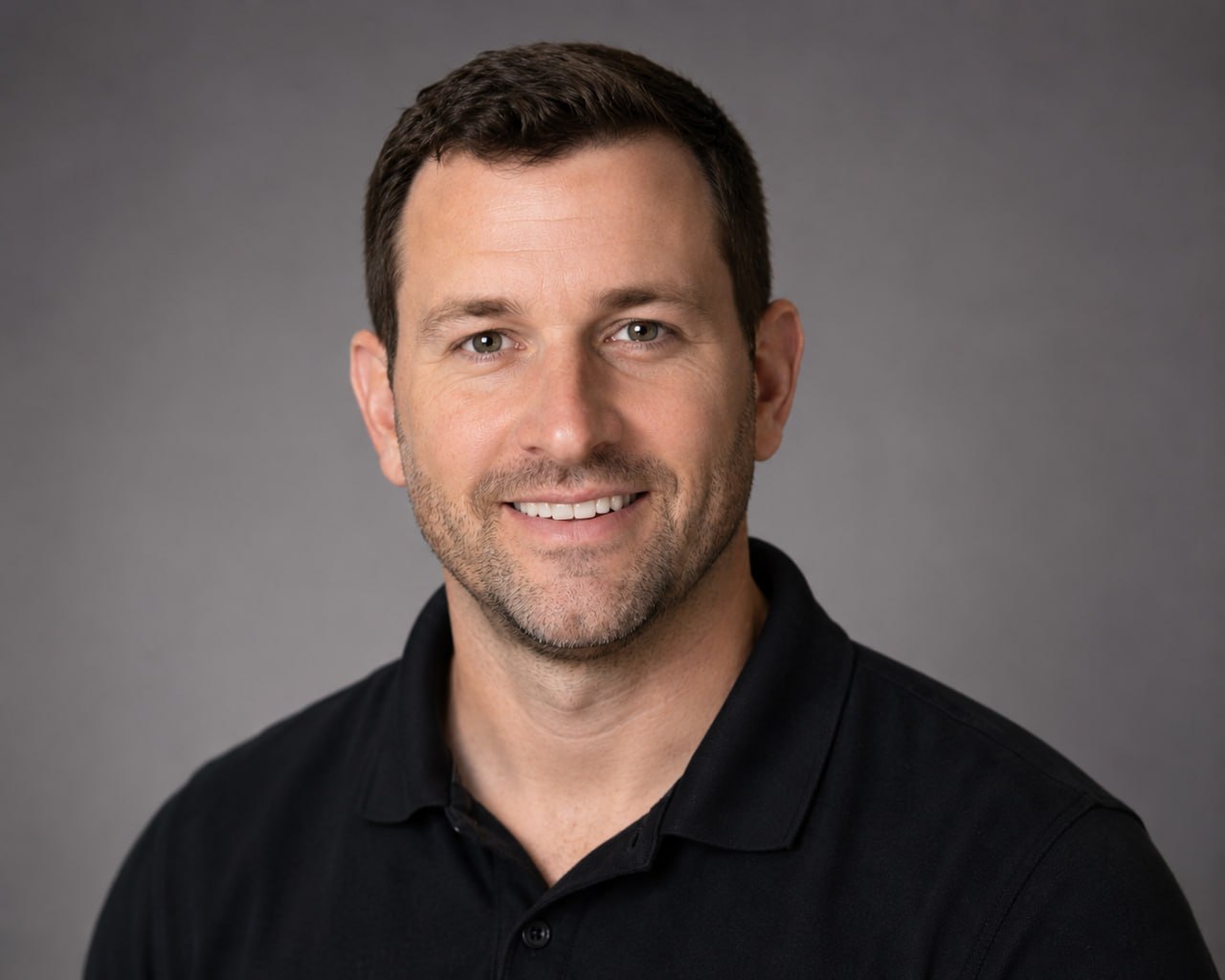
On running a physical therapy practice: fit, pricing, and what keeps patients coming back.
Daniel A Ruhl is a physical therapist based in Tulsa, Oklahoma, working in outpatient orthopedic rehabilitation. He treats patients recovering from sports injuries, joint replacements, and chronic pain, and also serves as a clinical instructor for Doctor of Physical Therapy students. In this Q&A, he speaks plainly about how his practice runs, who it serves, and how he thinks about pricing, referrals, and growth.
Can you introduce your practice and describe your role in it?
I run an outpatient orthopedic physical therapy practice in the Tulsa area. My role is hands-on. I see patients directly, I build their treatment plans, and I also train Doctor of Physical Therapy students who come through on clinical rotations. I am not removed from the clinical work. That is the job.
What is your model? Do you work alone, with a team, or with outside specialists?
It is a hybrid. I treat patients myself, but recovery rarely happens in isolation. I stay in regular contact with physicians, surgeons, and athletic trainers on cases we share. If a patient is six weeks post-surgery, I want to know what the surgeon expects at that mark, and I want the surgeon to know what I am seeing in the clinic. That back-and-forth is part of the model, not an extra step.
How is your practice different in a market with a lot of therapy options?
I do not treat a diagnosis on paper. I treat the person in front of me. Two patients with the same knee surgery can need very different plans depending on their goals, their job, and their body. I take the time to explain what is happening in plain language, not medical jargon, so patients understand why a specific exercise matters. That understanding is what keeps people doing the work at home, which is where most of the actual recovery happens.
Who do you mainly serve, and has that changed over time?
My patients range from teenagers coming back from sports injuries to retirees rebuilding mobility after a hip or knee replacement. I also see people managing chronic pain or recovering from workplace injuries. That range has stayed fairly steady. What has grown is the sports performance and injury prevention side, working with athletes before something goes wrong, not just after.
What do people come to you asking for most?
Shoulder and knee rehab are the two I see most often, including ACL reconstruction and rotator cuff recovery. Low back pain and hip replacement recovery are close behind. Balance work also comes up a lot, especially with older patients working on fall prevention.
How do you keep up with a field where research changes constantly?
I keep taking continuing education seriously. I have gone through additional training in manual therapy, dry needling, instrument-assisted soft tissue work, blood flow restriction therapy, and vestibular rehabilitation, among other areas. I also attend state and national physical therapy conferences. Teaching students keeps me sharp too. When you have to explain your clinical reasoning to someone learning the field, you cannot coast on habit.
Do patients come back, and what keeps them loyal?
Yes, and I think it comes down to trust built early. If a patient understands their plan and sees measurable progress, they stay engaged through the harder weeks. I also hear from former patients when a new injury comes up, or when a family member needs care. That kind of referral only happens if the first experience was honest and it worked.
How do you know if a patient’s care is actually going well?
I track progress against specific, measurable markers, not just how someone feels that day. Range of motion, strength, function on tasks that matter to that patient, like climbing stairs or getting back on the field. I also ask directly whether the plan still matches their goals. Goals shift as people improve, and the plan should shift with them.
What happens after a patient finishes treatment?
I stay reachable. If a question comes up weeks later, or a new issue develops, patients can reach out. Recovery is not always a straight line, and a quick answer early can prevent a small setback from becoming a bigger one.
How do you structure pricing?
I do not have a flat menu price for every case. Treatment plans are built around what the individual patient needs, so cost tracks the scope of care, not a fixed package.
What determines whether a case is a good fit?
The main question is whether a patient is ready to be an active part of their own recovery. This work depends on people doing their part between sessions. If someone is looking for a passive fix, that is a mismatch from the start, more than any budget concern.
How has your approach to leading and teaching changed over time?
Early on, I focused mostly on my own patients. Once I started mentoring DPT students, I had to get more deliberate, about clinical reasoning, documentation, ethical decision-making, and how to talk to a patient who is scared or frustrated. Teaching that made me better at doing it myself.
What advice would you give to someone starting out in this field?
Learn to explain things simply before you learn to sound smart. A patient who understands their injury will do the work. A patient who is confused will not, no matter how good your technique is.
More REVERB Interviews
- Robert Guarino — Physician Specializing In Pathology
- Philip Ashton-Rickardt — Managing Director, Chief Scientific Officer, co-founder
- Linda Ellard — Advanced Practice Registered Nurse & Clinical Nurse Specialist
- Denaesh Ariyanayagam — Consultant General and Vascular Surgeon
- Bryan Zimmerman — General Dentist
- Nikesh Seth — CEO
- Monte Persinger — Owner and CEO
- Carolina Soto — Partner / Head of Labor & Employment