
Dr. Ammar Mahmoud
gynecological surgeon
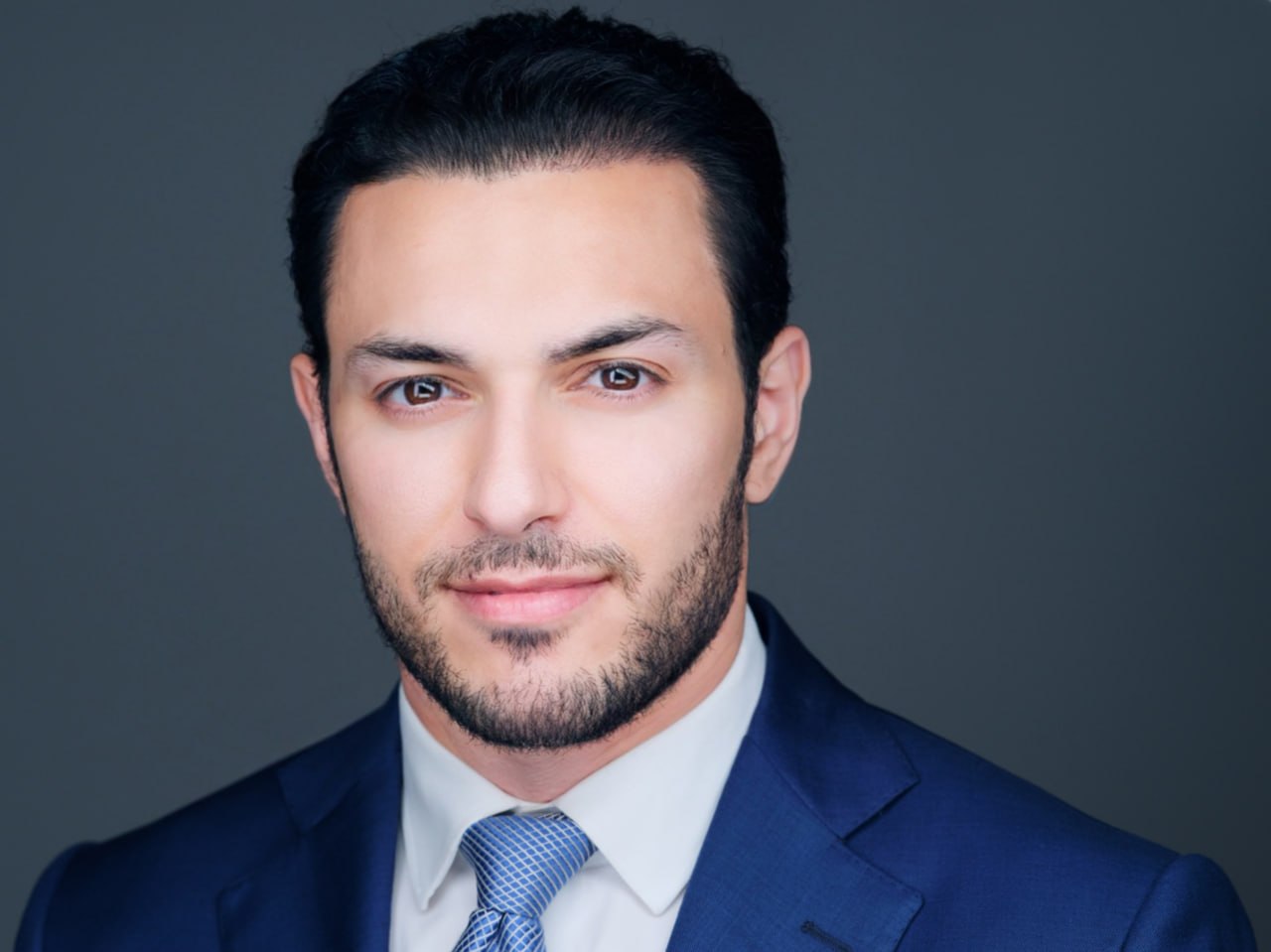
A New York surgeon who trained first as a biomedical engineer — and who says the harder part of the job is knowing when not to operate.
Dr. Ammar Mahmoud is a cosmetic gynecological surgeon and aesthetic specialist based in New York City, working across minimally invasive cosmetic gynecology, regenerative medicine, body contouring, facial aesthetics and women’s wellness procedures. Alongside clinical practice he is active in physician education, conference leadership and speaking.
His account of the work keeps returning to restraint: recommending the least invasive option that meets the goal, setting expectations before a procedure rather than after, and declining where the goal is unrealistic. He traces the systematic bent to his first degree, in biomedical engineering.
The Practice and the Approach
Please introduce your practice and describe your role within it.
I am a cosmetic gynecological surgeon and aesthetic specialist based in New York City. My work focuses on minimally invasive cosmetic gynecology, regenerative medicine, body contouring, facial aesthetics, and women’s wellness procedures. My role involves patient care, surgical planning, clinical innovation, physician education, and helping advance the field through conference leadership and speaking engagements. Every day, I balance clinical practice with ongoing efforts to improve techniques, recovery protocols, and patient outcomes.
What is the core approach behind your practice and patient care model?
My practice is built around personalized care. Every patient comes in with different goals, anatomy, concerns, and lifestyles. Rather than applying a standard treatment plan, I spend time understanding what the patient is trying to accomplish and what solution best fits their situation. The focus is on achieving natural-looking results while minimizing downtime and preserving healthy tissue whenever possible.
How do you differentiate yourself in a growing field like cosmetic gynecology?
I think my background gives me a unique perspective. Before medicine, I studied biomedical engineering. That training taught me how to approach problems systematically and look for ways to improve existing processes. In cosmetic gynecology, that translates into a strong focus on precision, technology, regenerative medicine, and minimally invasive techniques. I am also heavily involved in physician education, which keeps me engaged with the latest developments in the field.
Focus and Demand
What areas of medicine and patient care do you focus on most today?
My primary focus is cosmetic gynecology and aesthetic medicine. That includes labiaplasty, vaginal rejuvenation, body contouring, liposuction, facial rejuvenation, and regenerative treatments. Over time, I have become increasingly interested in procedures that combine cosmetic improvement with functional benefits and overall wellness.
What procedures are patients most commonly seeking today?
Many patients are looking for minimally invasive options. Recovery time has become a major factor in decision-making. Procedures such as labiaplasty, vaginal rejuvenation, body contouring, and regenerative therapies continue to see strong interest. Patients are increasingly focused on natural-looking outcomes rather than dramatic transformations.
Staying Current, Referrals and Satisfaction
How do you stay ahead of changes in such a rapidly evolving field?
Education never stops. I regularly participate in conferences, research discussions, industry events, and physician training programs. I also serve in educational and leadership roles within cosmetic gynecology organizations. One advantage of being involved in teaching is that you are constantly exposed to new ideas and perspectives from colleagues around the world.
Do you see many patients returning to your practice or referring others to it?
Yes. Referrals and repeat patients represent an important part of the practice. Trust plays a major role in medicine. When patients feel heard, respected, and satisfied with their experience, they often return for additional treatments or refer friends and family members. Those relationships are built over time through consistency and communication.
How do you measure patient satisfaction?
Patient satisfaction starts with setting realistic expectations. I spend a significant amount of time educating patients before procedures so they understand both the benefits and limitations of treatment. Beyond outcomes, I pay close attention to the overall patient experience, including communication, comfort, recovery, and follow-up care.
Aftercare, Planning and Declining
What kind of support do patients receive after treatment?
Post-procedure care is an important part of the process. Patients receive detailed recovery instructions, follow-up appointments, and ongoing communication when needed. Healing does not stop when a procedure ends. Supporting patients throughout recovery helps ensure the best possible outcomes.
How do you approach treatment planning and recommendations?
My goal is to recommend the least invasive option that can achieve the patient’s goals. Not every concern requires surgery. Sometimes, a minimally invasive treatment or regenerative therapy can provide meaningful improvement with less downtime and lower risk. The recommendation depends on the individual patient.
How do you balance value and quality in patient care?
Quality always comes first. Patients are trusting you with their health and well-being. That responsibility requires attention to detail, ongoing education, and investment in technology and training. My focus is on delivering care that is thoughtful, personalized, and based on what will genuinely benefit the patient.
Have you ever advised a patient against a procedure?
Absolutely. Not every patient is an appropriate candidate for every treatment. There have been situations in which I believed a patient’s goals were unrealistic or that a less invasive option would yield a better outcome. Part of being a physician is knowing when not to proceed.
Challenges, Innovation and Culture
What challenges have shaped your career?
One challenge has been keeping pace with the rapid evolution of aesthetic medicine. New technologies, treatments, and patient expectations emerge constantly. Rather than viewing that as a challenge to overcome once, I see it as an ongoing responsibility. Continuous learning is simply part of the profession.
How do you foster innovation within your work?
Innovation comes from questioning assumptions. I am always interested in finding ways to improve recovery, reduce invasiveness, and enhance patient outcomes. Regenerative medicine is a good example. Instead of focusing only on surgical correction, we are increasingly looking at how to support the body’s natural healing processes.
What role does professional culture play in your success?
Medicine is a team effort. A strong culture of professionalism, accountability, communication, and patient-centered care affects every aspect of a practice. Patients notice when a team works well together. It creates a better experience for everyone involved.
Outlook and Advice
Where do you see the field of cosmetic gynecology in the next decade?
I believe the field will continue moving toward less invasive procedures, faster recovery, regenerative therapies, and highly personalized treatment plans. Patients are becoming more educated and selective. They want solutions that fit their lifestyles and support long-term wellness.
How has your leadership style evolved throughout your career?
Early in my career, leadership was largely about expertise. Over time, I learned that listening is just as important. Whether working with patients, colleagues, or medical organizations, understanding different perspectives often leads to better decisions.
What emerging trends excite you most right now?
Regenerative medicine is one of the most exciting areas. Treatments that improve healing, tissue quality, and long-term wellness have the potential to change how many procedures are performed. I am also interested in advances that improve precision while reducing recovery time.
What advice would you give to young physicians entering the field today?
Focus on fundamentals. Technology will continue to change, but strong clinical judgment, patient communication, and integrity never go out of style. One lesson I have learned throughout my career is that long-term success comes from consistently improving rather than chasing shortcuts. The small improvements you make every day often produce the biggest results over time.