
Jordan Cheyenne
Founder and Lead Mentor
Manifestation and Mindset Academy
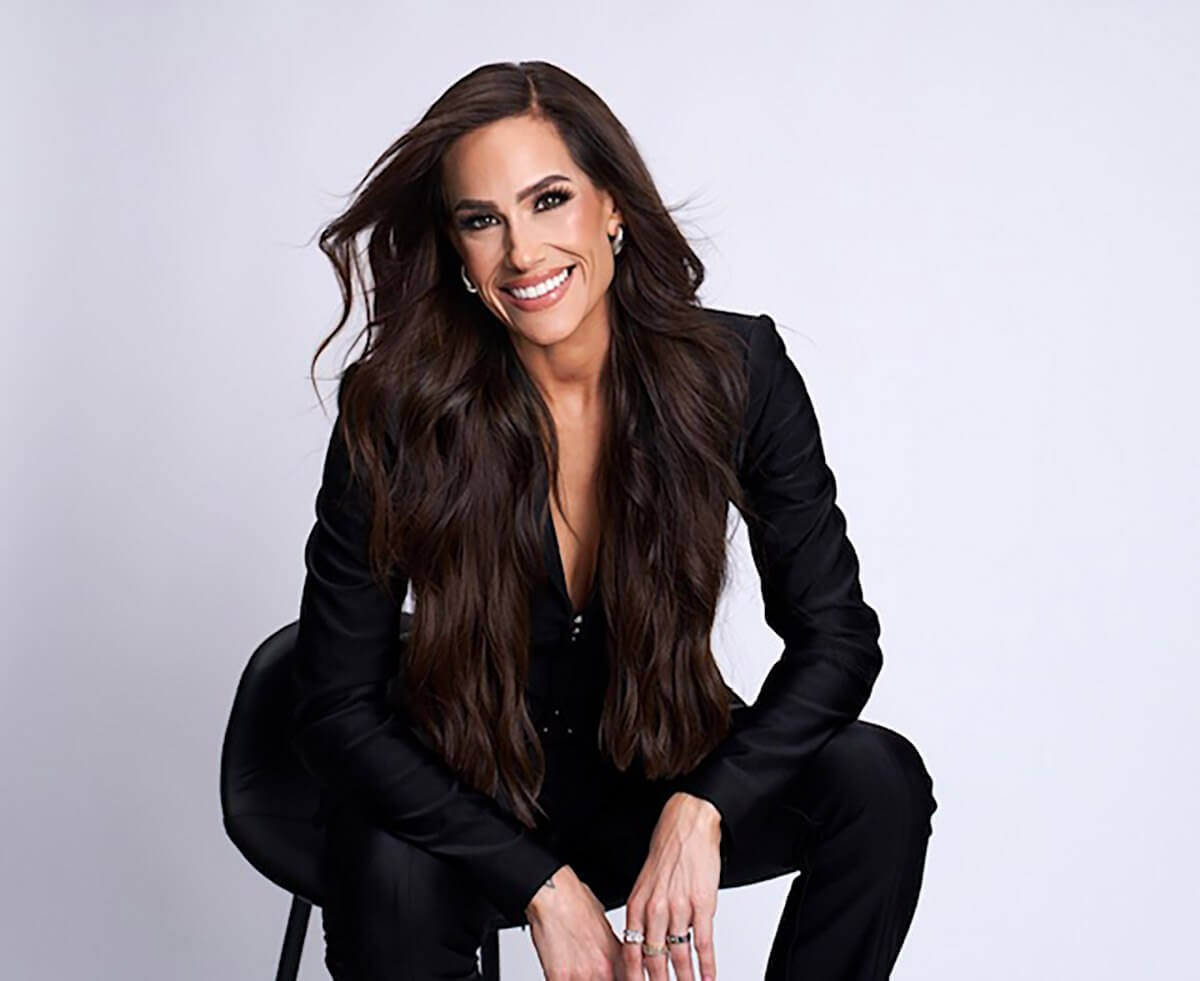
Please introduce your academy and describe your role within it.
I am the founder and lead mentor of the Manifestation and Mindset Academy. I design the curriculum, build the frameworks, and teach the core material. My work blends neuroscience, identity reprogramming, and Universal laws. I guide individuals through structured internal training so their external results begin to change. My role is hands-on. I build the systems and deliver the instructions directly.
What is your delivery model? Do you use an internal team or outside partners?
I operate with a lean structure. Curriculum design and teaching stay with me. Technical support, production, and event logistics are supported by specialized contractors. It is a hybrid model. I maintain full control over intellectual property and methodology. Support partners handle infrastructure.
How does your work stand apart in a crowded manifestation space?
I focus on sequence and structure. Identity first. Nervous system regulation second. Aligned action third. Many people attempt external change without stabilizing internal patterns. I teach daily repetition. Emotional steadiness. Consistency. This is conditioning, not motivation.
Who do you primarily serve?
I work with ambitious men and women, including entrepreneurs and high performers. They are ready for disciplined internal work. They want structured frameworks they can repeat daily. They are not looking for surface-level inspiration. They want integration.
What are the most common reasons people join your programs?
Most people feel stuck despite effort. They have goals but experience internal resistance. They want to change identity patterns that keep producing the same outcomes. They seek clarity, emotional stability, and aligned action habits.
How do you stay current when information moves quickly?
I do not chase trends. I study fundamentals. Neuroscience evolves steadily, not dramatically. Human behavior patterns remain consistent. I refine my frameworks based on implementation inside live programs. Adjustments come from observation and testing, not headlines.
Do participants return for additional programs? Why?
Yes. The academy is layered. Foundational identity work leads into deeper integration practices. Students often continue because the structure builds on itself. The work compounds over time.
How do you evaluate effectiveness inside your programs?
I monitor engagement, completion, and daily practice adherence. I look at consistency metrics. If a framework is not being implemented smoothly, it gets simplified. Repeatability matters more than complexity.
What type of support do participants receive?
Support varies by tier. Foundational programs provide structured modules and guided exercises. Higher-level mentorship includes direct access sessions and implementation reviews. Support focuses on accountability and regulation, not dependency.
How is pricing structured?
Programs are tiered. Foundational courses have fixed pricing. Mentorship tiers are structured by duration and depth of access. Pricing reflects curriculum scope and level of guidance provided.
What determines a good fit for your programs?
Commitment to daily repetition. Willingness to practice regulation. Openness to examining identity patterns. This work requires discipline. If someone wants passive consumption, it is not aligned.
What challenges have you faced in recent years?
The space is crowded with vague messaging. I responded by tightening my frameworks. I clarified the structure. I simplified the execution. I doubled down on neuroscience grounding and repeatable systems.
How do you continue refining your methodology?
I test adjustments in live cohorts. I monitor implementation consistency. If a framework improves repetition and clarity, it stays. If not, it is removed. Iteration drives evolution.
What role does culture play inside your academy?
Culture centers on steadiness. No chaos. No hype. Emotional regulation is modeled and practiced. Discipline is normalized. Structure creates safety.
Where do you see the academy in the next 5–10 years?
Deeper curriculum layers. More advanced identity integration pathways. Possibly certification tracks for practitioners who want to apply the frameworks professionally. Growth will focus on depth, not expansion for its own sake.
How has your leadership evolved?
Early on, I focused on teaching delivery. Now I focus on architecture. I design before I launch. I build systems that can hold consistency. Leadership shifted from execution to structure.
What developments in your field interest you most?
Ongoing neuroscience research around stress regulation and habit formation. The more precise our understanding of neural conditioning becomes, the more precise internal training can be.
What advice would you give someone entering this space?
Build structure first. Refine one framework deeply before expanding. Prioritize consistency over intensity. Internal systems determine external outcomes.