
Aneesh Sharma
Director of Game Management & Analytics for Dartmouth football
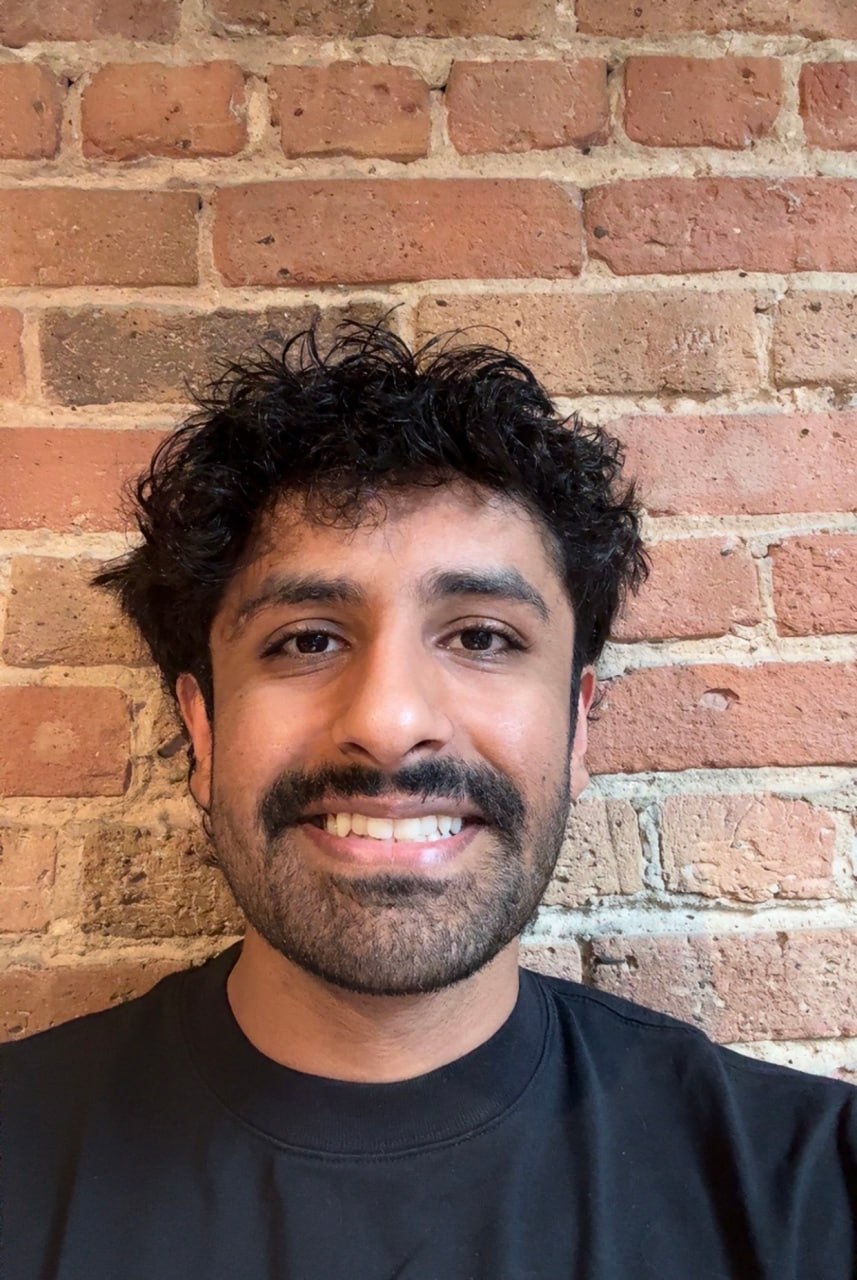
A Dartmouth undergraduate on the sideline with a headset, running the numbers that shape fourth-down and clock decisions in real time.
Aneesh Sharma is Director of Game Management & Analytics for Dartmouth football and a Quantitative Social Science major at Dartmouth, class of 2027. His work is using data to inform real-time game management decisions during games and to help the coaching staff prepare strategically through the week — fourth-down calls, clock management, and any other game management scenario a college football game can produce.
The role is unusually hands-on. He is not managing a team of analysts. He handles the core analysis and visualisation himself, pulling from league-wide sources and third-party platforms when needed, and he is the one in the film room, building the reports and standing on the sideline with a headset.
He has interned with the Los Angeles Rams, Navy football, Georgia football and The 33rd Team — exposure that ran from an NFL organisation with dedicated staff for every function to programs where one person wears many hats. Both environments, as he describes it, value good decisions; the constraints and the speed are what differ.
What he emphasises most is not the modelling but the relationship around it. Analytics only work if coaches believe in the process and understand the logic behind a recommendation, and the credibility for that comes from learning the terminology, watching film, saying so when the data is marginal, and never presenting something he cannot explain in plain language.
Inside the Analytics Role at Dartmouth
What does your day-to-day workflow look like? Do you work solo, collaborate with other analysts, or rely on external tools and vendors?
I work closely with our coaching staff, but the analytics function is something I manage directly. It’s a hybrid approach: I handle the core analysis and visualization, but I pull data from league-wide sources and third-party platforms when needed. The work is very hands-on. I’m not managing a team of analysts. I’m the one in the film room, building the reports, and standing on the sideline with a headset.
How does your approach differ from what other teams or analysts are doing in college football?
The biggest difference is integration. A lot of programs have someone running numbers in a silo. My role is embedded in game management, which means I’m part of the decision-making loop in real time, not just delivering a weekly report. I also focus heavily on trust and communication. Analytics only work if coaches believe in the process and understand the logic behind the recommendation. That relationship-building is as important as anything else.
What types of programs or teams do you focus on, and has that changed as your experience has grown?
Right now I’m focused on Dartmouth, but I’ve worked across a wide range of programs. I’ve had internships with the Los Angeles Rams, Navy football, Georgia football, and The 33rd Team. That exposure taught me how different levels of the game operate. The Rams have massive resources and dedicated staff for every function. At Dartmouth, I wear more hats. Both environments value good decisions, but the constraints and speed are very different.
What Coaches Actually Ask
What questions or problems do coaches bring to you most often?
Fourth-down decisions are the most common. Should we go for it or punt? What does the win probability model say? And then there’s clock management: when should we use timeouts, when should we let the clock run, how do we maximize possessions? Those are the recurring questions game over game.
How do you stay current when the game evolves so quickly and most data is already backward-looking?
I watch games around college football constantly. I also revisit my own models after every game. If something didn’t match what happened on the field, I want to know why. Was the model wrong, or did context override the numbers? That feedback loop keeps me sharp. I also lean on my internship network. Staying connected to people at different programs helps me see what’s working elsewhere before it becomes common knowledge.
Trust, Measurement and the Post-Game Review
Do you work with the same coaches over multiple seasons, and if so, what keeps those relationships strong?
Yes. The Dartmouth staff and I have continuity, which is critical. Trust builds over time. Early on, a coach might be skeptical of a recommendation. But if the decision works, and you explain the reasoning clearly, they start to lean on you more. Repeat collaboration comes from proving you understand the game, not just the spreadsheet. You also have to admit when you’re uncertain. If the data is marginal, say so. That honesty builds credibility.
How do you measure success in your role, and how do you know if what you’re doing is actually helping?
Winning is the ultimate measure, but it’s noisy. A better week-to-week metric is decision quality. Did we go for it in the right spots? Did our situational play-calling align with opponent tendencies? I also track whether coaches are asking follow-up questions and engaging with the analysis. If they’re ignoring the reports, that’s a signal I need to adjust the format or the message.
What kind of support do you offer after a game or decision, especially if the outcome didn’t go our way?
I do a post-game review of every major decision. If a fourth-down attempt failed, I’ll show what the model said, what the actual result was, and whether we’d make the same call again. Sometimes the right decision leads to a bad outcome. That’s football. The goal is to make sure we understand the process and learn from it. Coaches appreciate the transparency, especially when the heat is on.
Earning Credibility and Looking Ahead
What has been the biggest challenge you’ve faced in this field, and how did you work through it?
Earning trust as a young analyst. Coaches have decades of experience. I’m still in college. Early on, I had to prove I understood football, not just math. I did that by learning the terminology, watching tons of film, and never presenting something I couldn’t explain in plain language.
Where do you see yourself in five to ten years, and what are you working toward?
I want to be in an NFL front office or on an NFL coaching staff in a senior analytics role. Long-term, I’d love to help shape how a team thinks about risk, game management, and roster construction. I’m also interested in how film analysis and machine learning will change scouting. The field is still young, and there’s a lot of room to build something new.
Advice for Breaking Into Football Analytics
What advice would you give to someone trying to break into football analytics?
Work for your college team. Learn the game deeply. Build relationships. Reach out to people doing the work and ask questions. And be ready to take unpaid or low-paid opportunities early. I did internships across the country because I knew the experience was worth more than the paycheck at that stage. Prove you can add value, and doors will open.
Key Learnings
- Analysis delivered in a silo does not change decisions. Being embedded in the decision-making loop in real time matters more than the quality of the weekly report.
- Credibility comes from understanding the game, not the spreadsheet. Learning the terminology and watching film is what earns a young analyst a hearing.
- Say so when the data is marginal. Admitting uncertainty builds more trust than presenting every recommendation with the same confidence.
- Judge the process, not the outcome. A right decision can still fail, and reviewing every major call the same way is what keeps the standard consistent.
- If nobody engages with the analysis, the analysis is the problem. Follow-up questions are a better health check on the work than the scoreboard.
How Fourth-Down Decision Models Work
The question a coach asks on fourth down — go for it, punt, or kick — is the question football analytics has answered most thoroughly, and it is the one Sharma says comes up most. The models behind it work by comparing the three options on a single scale rather than judging each on its own merits.
That scale is usually win probability or expected points. Every game state — score, time remaining, field position, down and distance — carries a historical record of how often teams in that situation went on to win. A fourth-down model runs each option forward through its likely outcomes: converting and keeping the drive alive, failing and handing the opponent the ball where it stands, punting and handing it over further back, or attempting a field goal at a distance-dependent success rate. Each branch lands the team in a new game state with its own win probability, weighted by how likely that branch is. The recommendation is whichever option has the highest weighted average.
Run that comparison across a season and it tends to recommend going for it more often than coaching convention has historically allowed — particularly on short-yardage fourth downs near midfield, where a punt surrenders possession for a modest gain in field position. That gap between what the models say and what teams actually do has narrowed over the past decade at every level of the game.
What the models cannot see is the part Sharma keeps returning to: the specific team on the field that day, the weather, an injury, a unit that has been unable to convert all afternoon. That is why the analyst’s judgement about when context should override the numbers matters as much as the model, and why a decision that produces a bad outcome can still have been the right call. The process is what gets reviewed afterwards, not the result.
More REVERB Interviews
- Frank Scurlock — President and CEO
- Karla Van Winkle — Director of Talent Development
- Lauren Kunz Chateauneuf — Entrepreneur
- Neiman Young — Executive Coach and retired U.S. Army officer
- Sophia Rosing — Operator / Experimenter
- Hayden Fowlkes — Vice President
- Benjamin Nasberg — CEO
- Daniel Woodlief — Electrical Contractor and Wholesale Specialist