
Alexei Orlov
Founder
Wide World
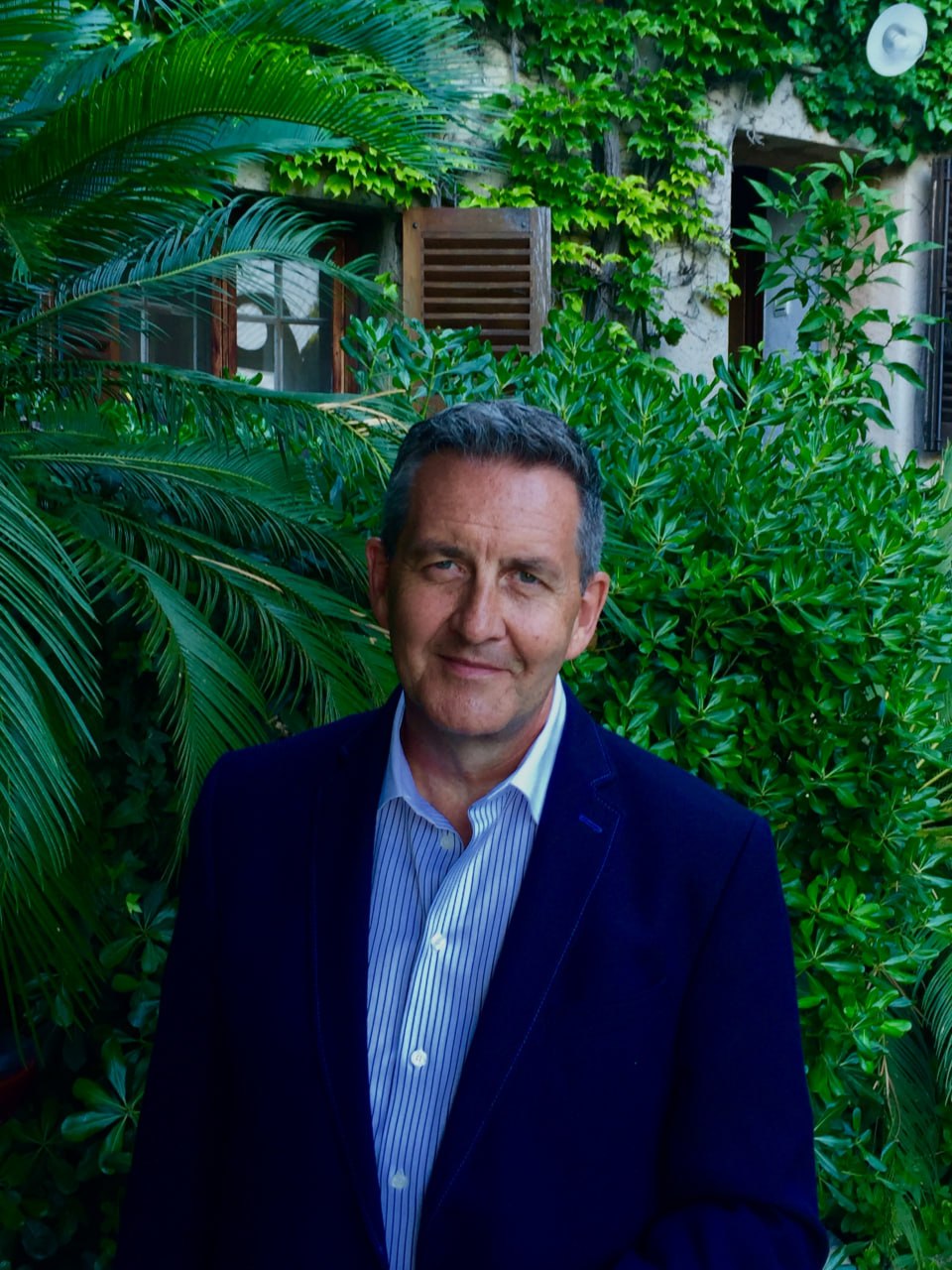
Please introduce your current business and describe your role.
I have recently started a company called Wide World. It follows almost 30 years of work as a CEO, CMO, founder, and strategic adviser across the United States, United Kingdom, Europe, and Asia. Today, my focus is working with boards, founders, investors, and leadership teams that need help with growth, brand transformation, and organizational change.
How do you differentiate your work in a crowded market?
I start with one question: “What matters?” I do not believe in adding complexity simply to demonstrate expertise. I try to understand the actual commercial or organizational problem, determine what matters most, and then create a disciplined path forward.
What industries and sectors have you served?
My career has crossed consumer brands, automotive, marketing, communications, creative services, and civic institutions. At Volkswagen, I oversaw eight consumer brand portfolios across China and ASEAN. MTM Choice later worked with upscale consumer brands and organizations connected with projects such as the 9/11 Memorial, McCain Institute, and UN Geneva Visitor Experience.
What services or solutions do organizations typically need from you?
My strongest areas are business transformation, brand repositioning, growth strategy, and leadership. I have integrated acquisitions, raised investment, developed leadership teams, and worked on operating models. Today, I am particularly interested in CEO, CMO, board advisory, and transformation assignments.
How do you stay ahead of industry shifts when data often describes what has already happened?
I remain a student. I believe you must understand the market you serve without convincing yourself that you know everything. My approach is to adopt, adapt, and apply. Data matters, but so do judgment, listening and human acuity.
How important are repeat relationships in your work?
Relationships matter enormously to me. I define success partly by whether someone believes they received value and felt heard. That creates a stronger foundation for a relationship than simply completing an assignment.
How do you measure whether a client engagement has succeeded?
Commercial performance matters. Reputation, growth, and profit can all demonstrate additive value. But I also ask whether the work produced a result that genuinely mattered. I am interested in measurable outcomes without losing sight of the people affected by them.
What post-project support do you provide?
My approach favors sustained relationships and advisory work rather than treating every engagement as an isolated transaction. I remained an adviser to the chairman after transitioning MTM Choice to new leadership, which reflects that approach.
Are there projects you will turn down, and what determines a good fit?
Fit matters more than any single threshold. I want to work where strategic leadership, commercial discipline and creative ambition can make a meaningful difference. I am especially focused on transformation, CEO, CMO, and board advisory opportunities.
What major business challenges have you faced, and how have you responded?
Growth itself creates challenges. At MTM Choice, I raised $35 million in growth funding, expanded internationally, and built the organization to around 200 people and approximately $55 million in annual revenue before transitioning it to new leadership. Those stages required different leadership decisions.
How do you foster innovation without chasing every trend?
I believe in leaving room for discovery. Innovation needs rigor. The question is not whether something is new, but whether it can be adopted, adapted, and applied to create useful results.
What role does culture play in building a successful organization?
Culture is fundamental because performance depends on people. I strongly dislike fear, cruelty, racism, and workplace politics. I believe leaders can be firm and relentless about standards without forgetting humanity.
Where do you see your work going over the next five to 10 years?
My direction is clearer than a numerical goal. I want to continue working with boards, founders, investors, and executives where my experience can help businesses and people navigate meaningful change.
How has your leadership style evolved?
I have become more willing to slow down, listen, and ask for help. I have learned that humility is a strength. I still expect excellence, but I increasingly recognize that no leader has a monopoly on good ideas. As I often say, I do not have the license on brains.
Which emerging technologies or market shifts interest you most?
Artificial intelligence is clearly important to my industry. What interests me is what happens when AI is combined with human acuity. Machines can provide extraordinary capabilities, but I do not believe they remove the need for human judgment, curiosity, or understanding.
What lesson would you give aspiring CEOs and business leaders?
Learn to ask for help. Stay a student. Listen before assuming you know the answer. Most importantly, ask, “What matters?” I also believe in what I call the “5% of magic.” Five percent may sound small, but often it is the final thought, question, or adjustment that makes the difference. Leadership is not about knowing everything. It is about creating enough clarity, humility and discipline to find that final 5%.