
Blake Osgood
Owner
Ozgood Land Restoration
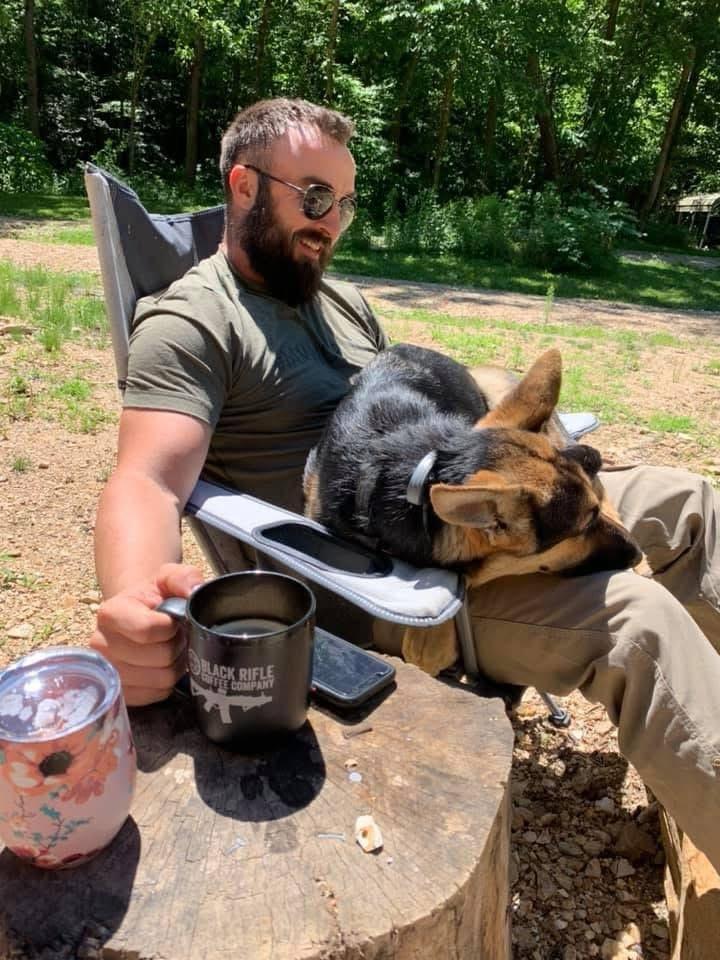
An Ozarks land restoration owner on why removing brush is only part of the job, the invasive species taking over Missouri pasture, and why rushing usually means solving the wrong problem.
Blake Osgood owns Ozgood Land Restoration in West Plains, Missouri, working with landowners across the Ozarks to restore pastures, remove invasive species, improve wildlife habitat and make properties healthier over the long term.
His distinction is between clearing land and restoring it. Brush removal is one step; understanding why a property reached its current condition, and what keeps it improving after the equipment leaves, is the actual work. Every project starts with him walking the ground — terrain, vegetation, drainage, history — before any plan is written.
Inside an Ozarks Land Restoration Business
Can you introduce Ozgood Land Restoration and explain your role in the business?
I own Ozgood Land Restoration in West Plains, Missouri. I work with landowners throughout the Ozarks to restore pastures, remove invasive plant species, improve wildlife habitat, and help properties become healthier and more productive over the long term. I am involved in every stage of a project, from the initial property walk to developing the restoration plan and overseeing the work. My role is to understand what each property needs and make sure every recommendation fits the land instead of applying the same solution everywhere.
How does your business operate, and how do you complete restoration projects?
I operate a hands-on business and stay closely involved throughout each project. I believe the best decisions come from spending time on the property instead of relying only on maps or aerial photos. Before we begin any work, I walk the land to understand the terrain, vegetation, drainage, and overall condition. That process allows me to develop a restoration plan that is specific to the property rather than following a standard formula. Every project is different because every piece of land has a different history.
What makes Ozgood Land Restoration different from other companies in the industry?
I think the biggest difference is that I focus on restoring healthy land rather than simply clearing it. Removing brush is only one part of the process. I want to understand why a property reached its current condition and what needs to happen for it to continue improving after the project is finished. I spend a lot of time observing before making recommendations because I have learned that rushing into a project often leads to solving the wrong problem.
Brush Clearing, Invasive Species and Pasture Restoration
Who do you typically work with?
Most of the people I work with are private landowners who want to improve their property. Some are ranchers looking to create healthier pasture for livestock. Others want to remove invasive species, improve wildlife habitat, or make better use of their acreage. Although every client’s goals are different, they all share an interest in leaving their property in better condition than they found it.
What services do clients request most often?
The majority of projects involve invasive species removal, pasture restoration, brush management, and habitat improvement. I frequently work with landowners who are dealing with species like bush honeysuckle, sericea lespedeza, Bradford pear, and autumn olive. Those plants can slowly take over a property if they are not managed, making it harder for native vegetation to thrive.
How do you stay current in an industry where conditions are always changing?
Working outdoors every day is probably my biggest advantage. Every property teaches me something new. Weather changes, wildlife patterns change, and every growing season is different. I also continue learning through experience and by paying attention to how different restoration methods perform over time. The land gives you feedback if you are willing to observe it carefully.
Results, Repeat Clients and Ongoing Support
Do you have repeat clients, and what brings them back?
Yes, I work with repeat clients because restoration is often an ongoing process rather than a one-time event. Many landowners own large properties that benefit from improvements completed in phases. I also think people appreciate honest communication. If I believe a different approach will produce a better long-term result, I explain why. Building trust is just as important as completing the work itself.
How do you measure success on a project?
I look beyond what the property looks like on the day we finish. Of course, I want clients to see immediate improvements, but I am more interested in what happens months and years later. I want to see healthier pasture, stronger native vegetation, fewer invasive species, and wildlife returning to the property. Those long-term changes tell me the restoration is working.
What kind of support do you provide after a project is completed?
I am always available to answer questions after a project is finished. Landowners often want guidance as the property continues improving, especially when it comes to managing invasive species or maintaining healthy pasture. Restoration does not end when the equipment leaves, so I want clients to feel comfortable reaching out if they need advice.
How Land Clearing and Restoration Work Is Priced
How do you structure your pricing?
Every property is different, so pricing depends on the scope of the work. The size of the property, the condition of the land, the type of restoration needed, and the amount of invasive growth all affect the overall project. Because no two projects are the same, I evaluate each property individually before providing an estimate.
How do you balance cost with long-term value for your clients?
I try to recommend solutions that create lasting improvements instead of temporary fixes. Sometimes the least expensive option today leads to more work later. I would rather help a client make an investment that continues benefiting the property for years than choose an approach that simply looks good for a short time.
Do you ever turn down projects?
Yes. If I believe a project is not a good fit or if a client’s expectations are unrealistic, I would rather have an honest conversation at the beginning. Good restoration requires time, planning, and a willingness to work with the land. If those expectations are not aligned, it is better to recognize that before work begins.
Stewardship, Leadership and What Comes Next
What challenges have shaped your business over the past few years?
One challenge has been helping people understand that restoration is a long-term process. Many people naturally want immediate results, but healthy ecosystems take time to recover. I have found that education is an important part of every project because it helps clients understand why patience often leads to better outcomes.
How do you continue improving your approach to restoration?
I try not to assume I have everything figured out. Every property teaches me something new. I pay attention to what works, learn from projects that present unexpected challenges, and adjust my approach when I discover a better way to accomplish something. Nature is constantly changing, so I think the best operators continue learning alongside it.
What role does your work ethic play in your business?
I believe consistency matters more than shortcuts. I approach every property with the same level of care because I know each one represents someone’s investment and often their home. Taking the time to understand the land before making decisions has become part of my process, and I think that mindset benefits both my clients and the properties themselves.
Where do you hope Ozgood Land Restoration will be in the next decade?
I want to continue helping more landowners throughout the Ozarks restore healthy, productive land. My goal is to build a business that is known for thoughtful work, honest communication, and long-term results. If more properties become healthier because of the work we do today, I will consider that a success.
How has your leadership style changed throughout your career?
Earlier in my career, I probably focused more on solving problems quickly. Experience has taught me that understanding the problem is usually more important than solving it fast. Today I spend more time listening, observing, and gathering information before making decisions. That approach has led to better outcomes in every part of my work.
What changes in the industry are you most excited about?
I am encouraged to see more landowners becoming interested in stewardship, native habitat, and long-term land health. There is growing recognition that productive pasture, healthy wildlife populations, and responsible land management all work together. I think that broader understanding will benefit both landowners and the landscape for years to come.
What advice would you give to someone building a business or leading a team?
Do not rush to solve every problem. Spend time understanding it first. Some of the best decisions I have made came after slowing down and paying closer attention instead of reacting immediately. That lesson applies whether you are managing a business, restoring land, or leading people. Good work usually starts with careful observation, and lasting results almost always require patience.
Land Clearing vs Land Restoration: What Is the Difference?
Land clearing removes what is growing on a property. Land restoration changes what grows there next. The two often use the same machinery on the same afternoon, which is why they get treated as the same service — and why so many properties look transformed for one season and return to their previous condition within three.
Clearing is a mechanical problem. Forestry mulching grinds standing brush and small trees into chip left on the ground as mulch; dozing and grubbing pull material out by the root and haul it off. Mulching is faster, leaves soil structure intact and returns organic matter, but does not remove root systems — which matters enormously depending on what is being cleared.
That is exactly where restoration diverges. Species like bush honeysuckle, sericea lespedeza, autumn olive and Bradford pear — the four Osgood names above — regenerate aggressively from cut stumps and root fragments, and several colonise disturbed ground faster than natives do. Clearing them without a follow-up plan can leave a property with more invasive cover than it started with, because the operation removed the competition and left the root stock.
A restoration plan therefore covers what happens after the machine leaves: treatment timed to the species’ growth cycle, native seeding or managed pasture recovery, and observation across at least one full growing season. It is why the honest measure is not how the property looks on completion day but whether native vegetation is stronger and invasive cover is lower a year or two later — and why a landowner comparing quotes should ask what the plan is for month twelve, not just what the acreage costs.
More REVERB Interviews
- Manie Du Bruyn — property and mining director, on why every shortcut becomes a liability
- Yosef Rabi — real estate investor, on long-term stewardship over quick returns
- Joseph Leggs — engine and gearbox builder, on understanding the whole system
More REVERB Interviews
- Frank Scurlock — President and CEO
- Richard Bernstein — Michigan Supreme Court Justice
- Victor Daniel Silva — Commercial Fishing Operator
- Ron Mix — Pro Football Hall of Fame member and attorney
- Dragos Teodor — Automotive Sales Manager
- Don Carlos Lee Gibson — General Manager
- Jesse Vierstra — Owner
- Juan Sebastian Murga — CEO and President