
Please introduce your company and describe your role within the organization.
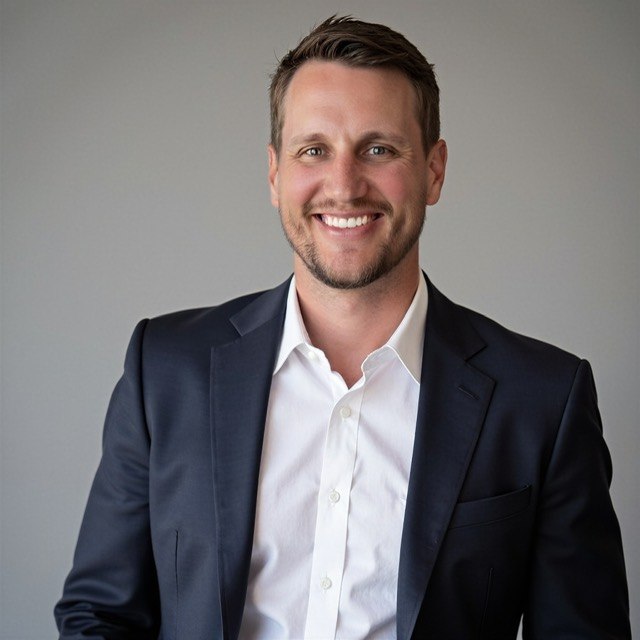
Iron Oaks Custom Homes is a custom homebuilding company based in Idaho. We focus on building homes that combine quality craftsmanship with long-term functionality. As Owner, I oversee project planning, client relationships, site operations, and business strategy. I stay closely involved in projects because I believe attention to detail makes a difference.
What is your company’s core business model – do you use an in-house team, third-party vendors, or a hybrid outsourcing approach?
We use a hybrid model. We work with trusted subcontractors and trade partners while maintaining direct oversight of projects. That allows us to bring in specialists while still keeping quality control and accountability at the centre of every build.
How does your company differentiate itself from competitors in a crowded market?
We focus on practical execution. A lot of people can talk about quality, but we try to demonstrate it through communication, consistency, and attention to detail. We stay involved throughout the project and focus on solving issues before they become larger problems.
What are the primary industries or sectors you serve, and how has that focus evolved over time?
Our primary focus is residential construction. Over time, my work has expanded into related areas such as HVAC and renewable energy projects connected to agriculture. That growth came from listening to client needs and looking for practical solutions.
What are the most in-demand services or solutions that clients approach your company for?
Custom homes remain our primary service. Clients also increasingly ask about energy efficiency, long-term durability, and systems that can help reduce operating costs over time.
How do you personally stay ahead of industry shifts when most data is already yesterday’s news?
I spend a lot of time listening. Job sites, clients, subcontractors, suppliers, and community conversations often reveal trends before reports do. When multiple people start asking the same questions, that’s usually a sign that something important is changing.
Do you have a significant percentage of repeat clients? If so, what strategies contribute to that loyalty?
A large percentage of our work comes through referrals and repeat relationships. Trust is the biggest factor. We communicate clearly, stay accountable, and try to make sure clients feel informed throughout the process.
How do you measure and ensure high customer satisfaction in your operations?
Communication is a major indicator. If clients know what is happening and why, projects run more smoothly. We also pay close attention to details during construction because preventing problems is easier than fixing them later.
What kind of post-project support do you provide to address client queries or ongoing needs?
We remain available after project completion to answer questions and address concerns. Building a home is a major investment, and clients should feel comfortable reaching out long after construction is finished.
Describe your pricing and billing structure – is it fixed cost, pay-per-milestone, or another model?
The structure depends on the project. Most projects involve milestone-based payments tied to progress throughout construction. Transparency is important, so expectations are discussed clearly at the beginning of each project.
What is the typical price range for projects you’ve handled in the past year, and how do you balance affordability with value?
Project costs vary significantly based on location, design, materials, and scope. Our focus is helping clients understand where value comes from and making decisions that support long-term quality and performance.
Have you turned down projects based on budget or scope? If so, what are your minimum requirements?
Yes. There are times when expectations, budget, or timelines do not align with the reality of the project. In those situations, honesty is the best approach. We want every project to have a realistic path to success.
What key challenges has your company faced in the last few years, and how did you overcome them?
Material costs, labour shortages, and supply chain disruptions have been major challenges across the industry. We addressed those issues through stronger planning, communication, and relationships with trusted suppliers and trade partners.
How do you foster innovation and adapt to emerging trends in your industry?
Innovation often starts with listening. Many of the opportunities I have pursued came from conversations with clients and business owners. If people consistently face the same problem, there is usually an opportunity to improve something.
What role does company culture play in your success, and how do you build and maintain it?
Culture is extremely important. We try to create an environment built on accountability, respect, and reliability. People perform better when expectations are clear and everyone understands their role.
Where do you envision your company in the next 5-10 years? What are your boldest long-term goals?
I would like to continue building high-quality homes while expanding our involvement in energy-efficient construction and practical building solutions. The long-term goal is to create projects that provide lasting value and improve how people live and work.
How has your leadership style evolved throughout your career, and what influences it?
Early on, I focused heavily on getting things done myself. Over time, I learned that leadership is also about building trust, developing people, and creating systems that allow teams to succeed. My farming background and years in construction have had the biggest influence on that perspective.
What emerging technologies or market shifts are you most excited about for your company?
I am interested in energy efficiency, renewable energy integration, and building methods that improve long-term performance. I think homeowners and property owners will continue prioritising efficiency and sustainability in practical ways.
What advice would you give to aspiring leaders? Can you share one lesson from your journey that resonates with the business community?
Start small and stay consistent. You do not need to have every answer on day one. One lesson that has stayed with me throughout my career is that problems do not get smaller when ignored. Address issues early, communicate clearly, and focus on doing the work well. Results tend to follow.
More REVERB Interviews
- Ben Walderman — Entrepreneur | Business Consultant
- Arthur Deibler — Owner and Operator
- Danielle Siwek — Strategic Planner
- Mark Stephen McCollum — Founder and CEO
- Harpinder Brar — Owner and Operator
- Akram Alhamidi — Managing Owner
- Denaesh Ariyanayagam — Consultant General and Vascular Surgeon
- Brandon Gilkey — Founder and Operator