
Peter Grimyser
Retired Detective/Sergeant
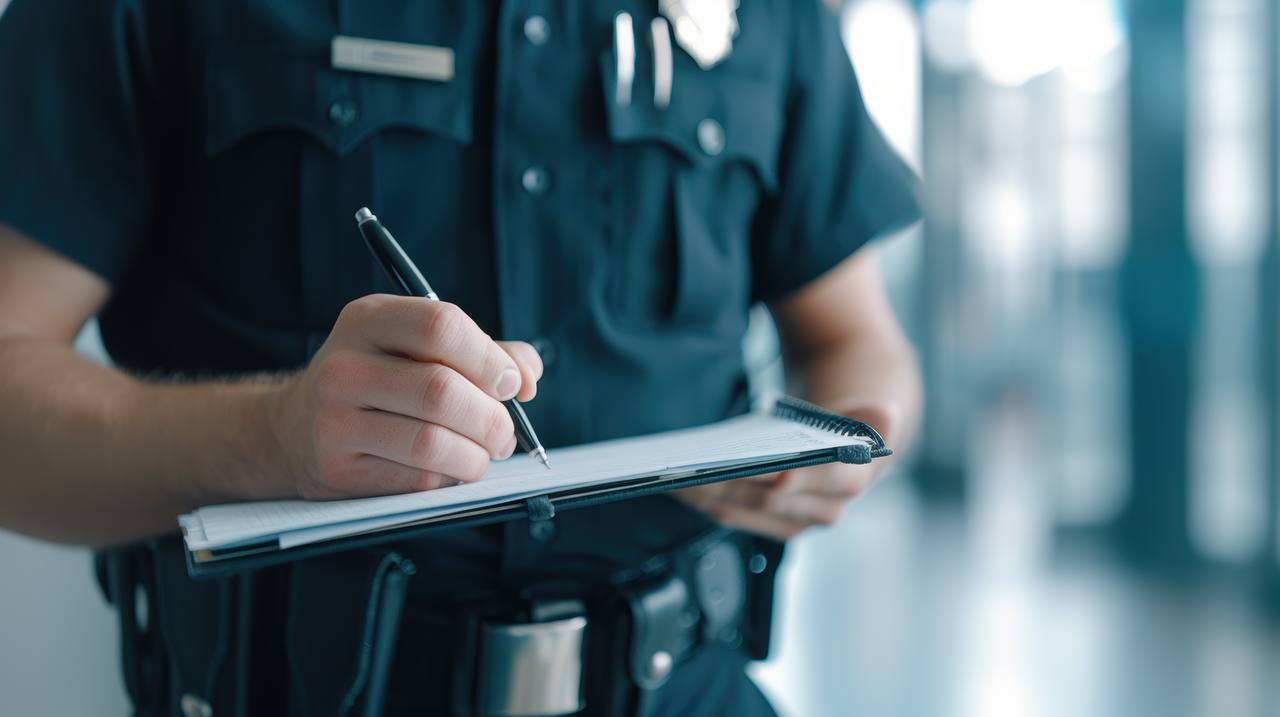
On Managing Risk in High-Pressure Situations
Please introduce your professional background and describe the role you held during your career.
I spent 27 years with the University of Wisconsin–Madison Police Department and retired as a Detective/Sergeant. Earlier in my career, I also worked part-time for the Cottage Grove Police Department in Wisconsin. My work involved investigations, incident response, leadership, risk assessment, and coordination with different groups across the university environment.
How was your work structured when handling investigations and complex incidents?
The work was handled internally, but major incidents often required coordination with multiple people and organizations. Depending on the situation, that could mean working with other officers, university leadership, outside agencies, or other stakeholders. Clear communication and defined responsibilities were important because complex situations can become more difficult when information is fragmented.
What made your approach to law enforcement and investigations effective?
I focused on facts, communication, and sound judgment. Investigative work requires patience because the first version of a situation is not always the complete version. I tried to understand what happened, identify what information was still missing, and make decisions based on what could actually be supported.
What types of people and organizations did you serve during your career?
My primary environment was the University of Wisconsin–Madison community. A university brings together students, faculty, staff, visitors, administrators, and the surrounding community. That creates a wide range of situations and requires an approach that can adapt to different people and different circumstances.
What types of situations demanded the most from you professionally?
Investigations and critical incidents required the most coordination. Those situations could involve risk, sensitive information, competing priorities, and several stakeholders at once. My responsibility was to help bring structure to the situation and make sure decisions were based on reliable information.
How did you stay current as law enforcement and investigative practices changed?
You have to keep learning. Technology changes, procedures change, and expectations around public safety continue to evolve. Experience helps, but relying only on what worked years ago can create problems. I tried to combine what I had learned over time with the realities of the situation in front of me.
Did long-term relationships play an important role in your work?
Yes. Trust matters in public safety. You often work with the same colleagues, leaders, departments, and outside partners across many different situations. People need to know that you will communicate clearly, handle sensitive information appropriately, and follow through on your responsibilities.
How did you know whether an investigation or response had been handled well?
There was not one universal metric. Different situations had different goals and constraints. I looked at whether the facts had been properly developed, whether responsibilities were clear, whether communication was effective, and whether decisions could be supported afterward.
What happened after an incident or investigation was completed?
The work did not always end when the immediate issue was resolved. There could be follow-up questions, additional information, reports, coordination, or lessons that needed to be carried forward. Good follow-up is important because unresolved details can create future problems.
How did you think about resources when dealing with a complex situation?
Resources had to match the situation. Some matters could be handled by a small number of people, while others required broader coordination. The goal was not to involve as many people as possible. It was to make sure the right people had the right information at the right time.
Were there standard costs or budgets associated with the work you handled?
Not in the way a private company would price projects for clients. I worked in public service, so my responsibilities were operational rather than commercial. Decisions were based on safety, investigative needs, policy, available resources, and the circumstances of each situation.
Did you ever have to say no or push back on how something should be handled?
There are times in leadership when you have to question an assumption or recommend a different approach. That is especially important when risk or sensitive information is involved. The important part is being able to explain the reasoning clearly rather than simply disagreeing.
What were some of the biggest challenges you saw during your career?
One challenge was dealing with situations where information changed quickly. Another was balancing the needs of different stakeholders while keeping the focus on facts and safety. Experience helped me become more comfortable making decisions without pretending that every situation came with perfect information.
How did you adapt to changes in law enforcement over 27 years?
By staying open to new information and new ways of working. Investigative tools, communication methods, technology, and public expectations all changed during my career. The fundamentals of integrity and accountability remained important, but the way the work was carried out continued to evolve.
What role did team culture play in your work?
A strong team needs trust and communication. People have to understand their responsibilities, but they also need to be willing to share information and raise concerns. In high-pressure work, small communication problems can quickly become larger operational problems.
What does the next stage of your career look like?
I am semi-retired now. I also volunteer with the American Red Cross, which allows me to continue contributing through service. I am not trying to recreate my law enforcement career, but the values behind that career still matter to me.
How did your leadership style change over time?
Earlier in a career, there can be more focus on completing your own responsibilities correctly. As you gain experience, you begin thinking more about the entire situation, the people around you, and the consequences of decisions. Leadership became less about having every answer and more about asking the right questions and creating clarity.
What changes in public safety and investigations are most important to watch?
Technology will continue to affect investigations, information sharing, and incident response. At the same time, technology does not replace judgment. New tools can provide more information, but professionals still have to decide what the information means and how it should be used responsibly.
What advice would you give someone who wants to build a career in leadership or public service?
Learn how to make decisions you can explain later. Pay attention to facts, listen to people with relevant experience, and do not confuse confidence with certainty. One lesson I carried throughout my career is that trust is built gradually through consistent actions, especially when the situation is difficult.