
Russell Mann
Entrepreneur
Can you introduce yourself and describe the businesses you have built and developed throughout your career?
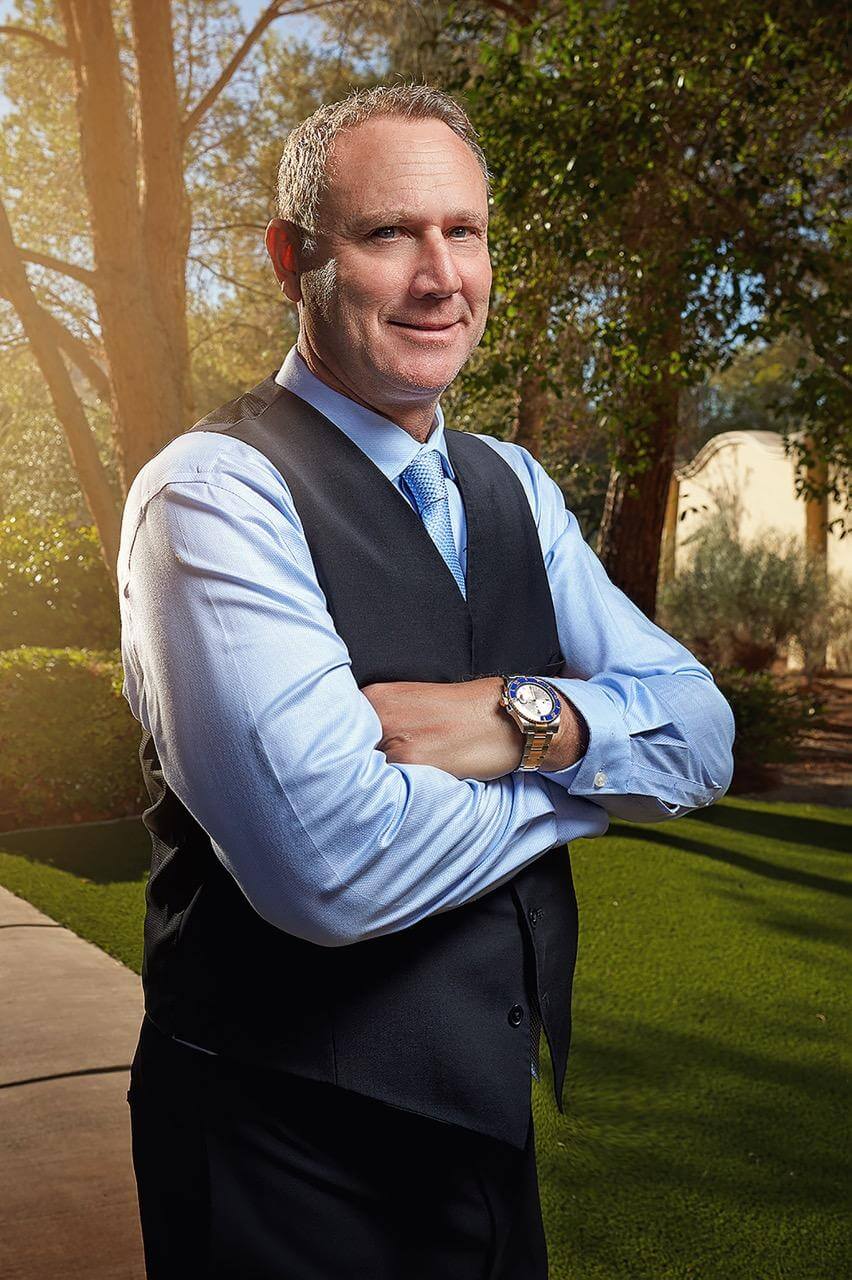
I am Russell Mann, an entrepreneur based in Las Vegas, Nevada. Throughout my career, I have built, operated, and helped develop businesses across hospitality, mortgage lending, real estate, tourism, outdoor recreation, and retail. My career has never been about staying in one industry. It has been about recognizing opportunities and building businesses that serve people in different ways.
Early in my career, I spent about ten years in the mortgage industry. During that time, I also bought and sold residential properties, completing both short-term investments and long-term holds. That experience gave me a broader understanding of how to evaluate opportunities, market cycles, and the importance of thinking beyond the next transaction.
Over the years, I have developed and operated businesses including Las Vegas ATVs, Vegas Off Road Racing, Bullets and Burgers, Las Vegas Water Sports, Las Vegas Outdoor Adventures, Vegas Kayak Tours, Vegas Hiking Tours, Helicopter Adventures, Grand Canyon Glamping Resort, and Arizona Last Stop. I also helped open the Arizona Last Stop Travel Center and a Taco Bell location, and I am currently involved in planning a new Dunkin’ Donuts.
While each business serves a different purpose, they all have one thing in common. They are focused on creating positive customer experiences and providing something people genuinely enjoy.
How do you manage such a diverse group of businesses?
Every business has its own day-to-day operations, but the approach is consistent. I believe in paying attention to customers, solving problems quickly, and staying involved enough to understand what is happening.
Some businesses require different teams, partners, or operational structures depending on the services they provide. The important part is ensuring customers have a good experience, regardless of which business they choose.
I’ve learned that good systems and good communication become even more important as your portfolio grows.
What makes your businesses different from others in the hospitality and tourism industry?
I have always believed people remember experiences more than products.
Whether someone is taking an ATV tour, spending the day on the water, visiting the Grand Canyon, or stopping at one of our travel locations, they want an experience that feels organized, enjoyable, and worth talking about afterward.
That philosophy comes from my earliest days working in hospitality.
“When people have a great experience, they remember it,” I always say. “That’s what brings them back.”
I also believe businesses should be responsive. If a customer has a question or a problem, I would rather address it immediately than let it grow into something bigger.
Who do your businesses serve, and how has that changed over the years?
Most of my businesses serve visitors traveling to Las Vegas, Southern Nevada, Northern Arizona, and the surrounding areas. Some customers are families. Others are groups of friends, corporate visitors, or people looking for something unique to do while they are in town.
Tourism continues to evolve, so customer expectations evolve with it. People want convenience, good communication, and experiences that are memorable for the right reasons.
Our job is to continue meeting those expectations.
What services do people most often come to you for?
Our business focuses on outdoor recreation, guided adventures, travel services, hospitality, and visitor experiences.
Someone might be looking for an ATV adventure, an off-road experience, a kayaking trip, hiking, watersports, or accommodations near the Grand Canyon. Others may simply be stopping at one of our travel destinations during a road trip.
Although the services differ, they all focus on helping people enjoy their time and create lasting memories.
How do you stay ahead of changes in your industry?
I spend a lot of time observing what is happening around me.
I pay attention to customer behavior, travel trends, and the types of experiences people are looking for. I’ve found that opportunities usually appear long before they become obvious if you’re paying attention.
“I constantly watch what’s going on around me,” I often say. “People will show you where the next opportunity is if you’re willing to listen.”
That mindset has helped me throughout my career because I have never assumed today’s business model will be the right one forever.
Do you have repeat customers, and what contributes to that loyalty?
Yes, repeat business is very important.
The goal is for customers to leave with a positive impression and feel comfortable recommending us to friends or returning themselves.
That starts with treating people well, communicating clearly, and solving problems when they happen.
I have always believed that every phone call deserves an answer and every concern deserves attention.
How do you measure customer satisfaction?
I look at several things.
Repeat customers are important because they show people enjoyed their experience enough to come back.
Referrals are another strong indicator because satisfied customers naturally recommend businesses they trust.
I also pay attention to overall business activity. When customers continue choosing your business and recommending it to others, you know you’re moving in the right direction.
How do you support customers after their visit or experience?
Customer service doesn’t end when the activity is over.
If someone has questions or needs assistance afterward, I believe it’s important to respond promptly.
Problems are much easier to solve when you address them early instead of hoping they disappear.
That approach has been consistent throughout my career regardless of the industry.
How do you approach pricing across your businesses?
Every business is different, so pricing depends on the type of service or experience being offered.
Rather than trying to compete solely on price, I focus on creating experiences that customers believe are worth the investment.
If people leave feeling they received good value, everyone benefits.
Have you ever chosen not to move forward with a project?
Absolutely.
Not every opportunity is the right opportunity.
Sometimes the timing isn’t right. Sometimes the project isn’t operationally practical. Experience has taught me that saying no can protect your ability to say yes to better opportunities later.
What have been some of the biggest challenges in your career?
Economic changes have probably been the biggest challenge.
There have been periods when business was growing well before outside events changed the market almost overnight.
Those experiences taught me that I cannot control the economy, but I can control how I respond.
“If there’s a big problem, I don’t rush into a decision,” I tell people. “I’ll sleep on it and come back with a clearer perspective.”
That habit has helped me make better decisions over the years.
How do you continue finding new business opportunities?
Curiosity has probably been my greatest business tool.
I enjoy paying attention to how communities grow, how travel changes, and what people are looking for.
That curiosity has led to opportunities in hospitality, tourism, recreation, retail, and now restaurant development.
I’ve learned that opportunities rarely arrive with a sign pointing toward them. Usually, they begin by paying attention to what other people overlook.
How important is company culture to your businesses?
Culture starts with accountability.
People should communicate openly, respect one another, and take pride in the work they do.
Customers notice when employees enjoy what they do and work together well. That creates a better experience for everyone involved.
Where do you see your businesses over the next several years?
I want to continue growing while looking for new opportunities that make sense.
That doesn’t necessarily mean adding businesses just for the sake of growth. It means continuing to build experiences and services that customers value while improving the operations we already have.
The planning work we’re doing now with a new Dunkin’ Donuts is another example of continuing to look ahead instead of standing still.
How has your leadership style changed over time?
Experience has made me more patient.
Earlier in my career, I probably wanted to solve everything immediately. Today, I still believe in acting quickly, but I also understand the importance of thinking through major decisions before making them.
I’ve learned that listening usually leads to better decisions than reacting.
What trends are you most interested in as you look toward the future?
I’m interested in how visitor expectations continue to change.
People want experiences that are easy to book, well organized, and memorable. Businesses that continue improving those experiences will always have opportunities to grow.
The technology changes, but good customer service never goes out of style.
What advice would you give to someone who wants to build a successful business?
Don’t become so attached to one business or one idea that you stop noticing new opportunities.
Every stage of my career taught me something valuable. Hospitality taught me customer service. Retail taught me how to understand customers. Tourism taught me how to create memorable experiences. Every business prepared me for the next one.
If there’s one lesson that has stayed with me, it’s this: keep paying attention. The next opportunity is usually closer than you think.
More REVERB Interviews
- Francis Pommett — Attorney and the principal
- Harpinder Brar — Owner and Operator
- Anisa Joy Leonard — Strategic Operator
- Kristopher Marrion — Vice President/Branch Manager
- Clayton Fields — Go-to-market Professional
- Joel Ney — Construction and Welding Professional
- Mark Siegwald — Water Damage Consultant
- Hagan Williams