Inbound Vs Outbound Marketing: Differences, Examples And Which To Use
Dominic Tarn
Head of Content - ReVerb
12.02.2020
Marketing your product is quite engaging, however, you should make the right choice with your promotional strategy in advance.
What do you prefer – to be outreached throughout different channels or stay in the “don’t bother me until I want it” mode? And what is the preference of your users?
I’m asking these questions not to satisfy curiosity but with the goal to help you define what strategy – outbound or inbound marketing – will work better for your business.
So, in this article, we will discover:
inbound vs outbound marketing definitions
inbound vs outbound channels to use
inbound marketing vs outbound marketing benefits
main inbound and outbound marketing tactics
inbound vs outbound marketing use-cases and the specifics of users expecting a certain approach from you.
Let’s jump into the topic!
Inbound Vs Outbound Marketing At A Glance
Here is how the two approaches compare on the points that matter most when you plan a strategy.
Inbound
Outbound
Channels
SEO, blog content, social media, email newsletters, webinars and lead magnets
Cold email, cold calls, paid ads, TV, radio, print, direct mail and trade shows
Cost
Lower ongoing cost; the main investment is content and your web presence
Usually higher, since you pay for media, lists, outreach and ad placements
Speed
Slow to build; results compound over months
Fast; campaigns can generate leads as soon as they launch
Targeting
People who are already searching for or interested in your topic
Audiences you choose and contact directly, whether or not they are looking
Best for
Long-term brand trust, organic traffic and steady lead flow
Launches, time-sensitive offers, new markets and high-value B2B accounts
Foundation: Outbound and Inbound Marketing Definitions
So, let me explain inbound and outbound marketing terms with the help of a convenient comparison chart.
1. Definition
As for the inbound marketing definition, it refers to the situation when potentially interested customers are looking for a certain good or service on their own, comparing offers from several companies. That’s how they can find your company on the web.
The outbound marketing tactics may be defined as all the actions a business undertakes to reach a target group of customers. In this case, a company is an initiator of communication.
2. Relevance
Inbound marketing efforts are always highly relevant to the target audience since the users want to start the interaction without an external push. So, users are extremely interested in communication with a business.
Outbound marketing can be perceived as a marketing noise that’s impossible to prevent. Businesses regularly use cold marketing without customers’ permission. Users can be potentially interested or not interested at all. Although outbound marketing tactics will not allow you to win all users, this approach can still be relevant if used right.
3. Suitability
Inbound and outbound marketing approaches are suitable for numerous business cases. Generally speaking, inbound marketing is a perfect fit when the audience doesn’t like to be bothered, can’t stand advertising noise, and prefers making independent decisions
In contrast, outbound marketing is quite suitable when the audience wants to be outreached; or you offer an essential product/service that is quite suitable for a huge number of users or certain industries (for example, offering outsourcing software development services to the businesses that want to go digital).
4. Cost
An inbound marketing strategy often turns out to be less expensive compared to the outbound approach. You invest only in your business web presence.
If we compare the inbound and outbound marketing costs, then the latter is often pricier. According to this strategy, brands not only should build a solid web presence but they also are actively using outreach, link generation and advertising directions.
Inbound Marketing Specifics, Benefits, and Use-Cases
So, let’s dive into the inbound vs outbound marketing details.
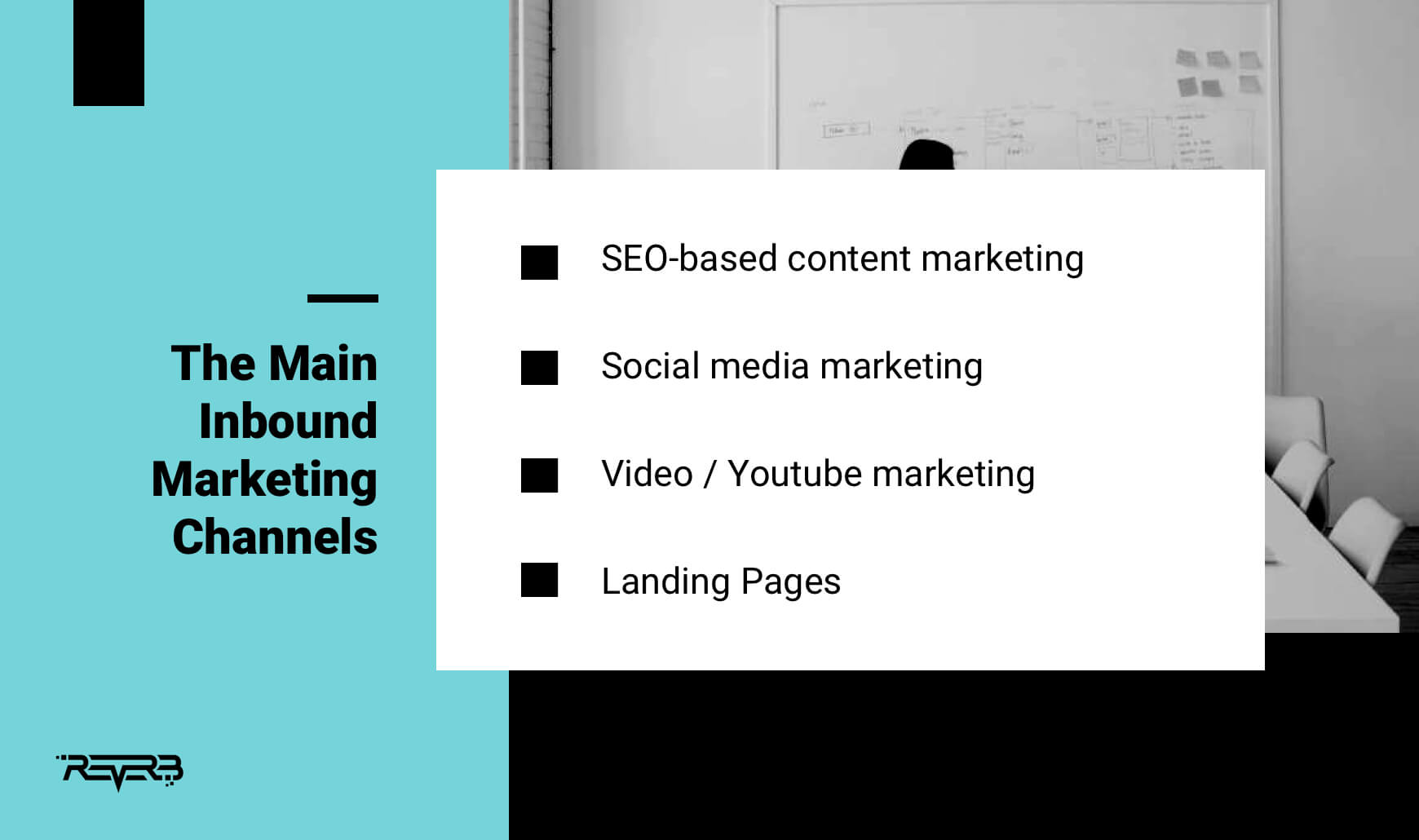
The main inbound marketing channels:
In a nutshell, all the channels that make your company easily found according to the specific request, belong to inbound marketing channels. We can highlight three main pillars of inbound marketing:
SEO-based content marketing. This is a comprehensive approach that refers to SEO-powered writing aimed at improving site ranking.
Blog posts, guest articles, and landing pages are examples of web content marketing as a part of an inbound strategy.
Social media marketing. This direction covers all social media platforms you use to make your company easily discovered on social media. You can leverage your SMM results by using special inbound marketing tactics such as hashtags, trending posts, and in-built search.
Video / Youtube marketing. This is one more quite clear inbound marketing channel that allows for creating branded videos for better reach and promotion.
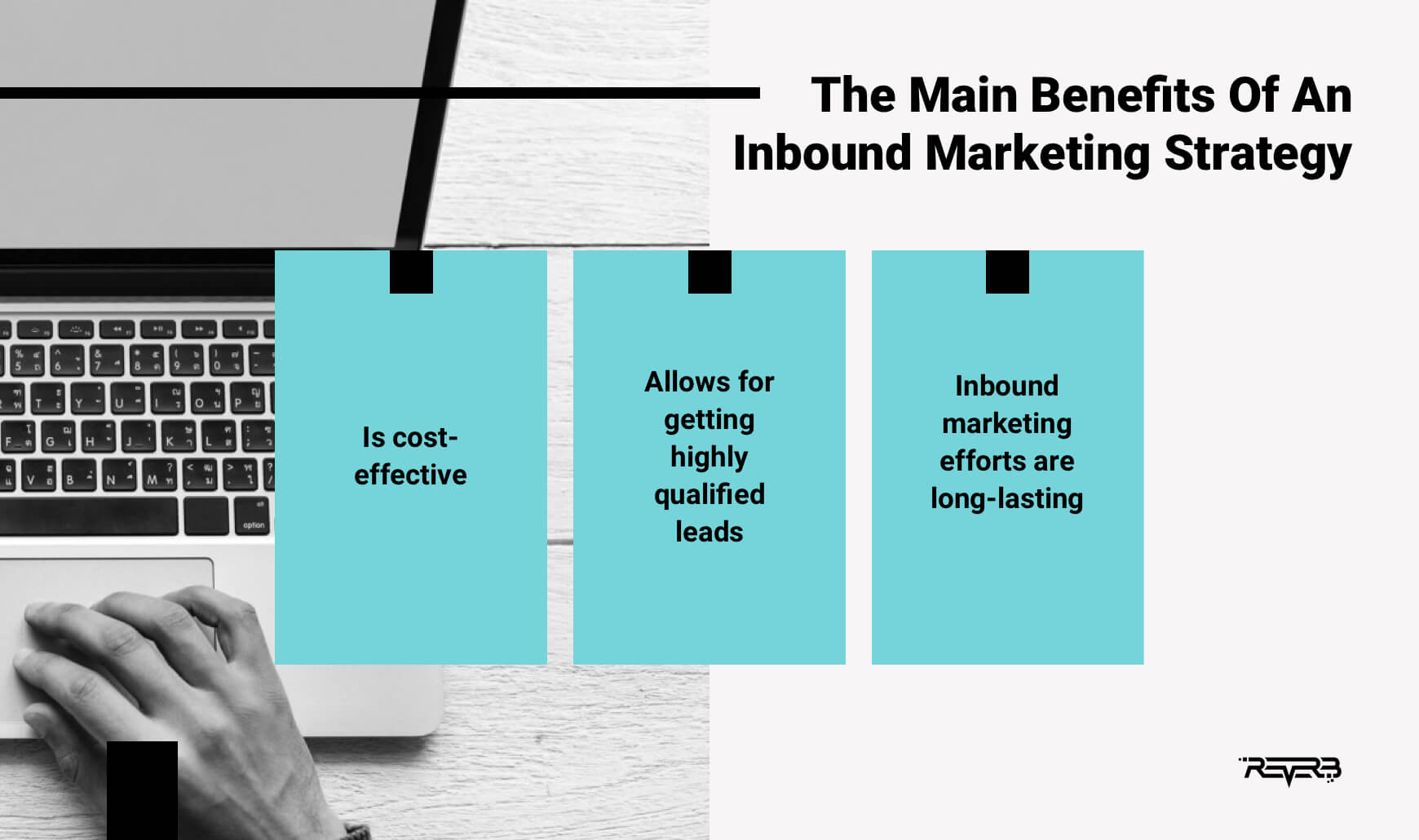
The main benefits of an inbound marketing approach:
Inbound marketing is cost-effective. As you can see, the main channels of inbound marketing are of a digital nature, and they are considered to be cheaper than traditional marketing tools like TV ads and radio broadcasting.
What’s more, you may carefully test each of your digital marketing approaches and decide which inbound marketing strategy to follow for better results.
Allows for getting highly qualified leads. Since the customers already have a desire to purchase a good or order service when looking for your (or competing) company on their own, you don’t need to put additional efforts into persuasion.
Thus, you get interested visitors that are easy to turn into qualified leads and into customers if you use the right sales approach.
Inbound marketing efforts are long-lasting. For example, you may create a product video for each of your goods once and hundreds of interested customers may view it again and again making the final purchase decision in your favor.
The same goes for SEO and social media marketing – the earlier you start with these inbound marketing strategies, the stronger your position in SERP and social popularity will be. Ultimately, you can generate a lot of qualified leads with the same marketing materials.
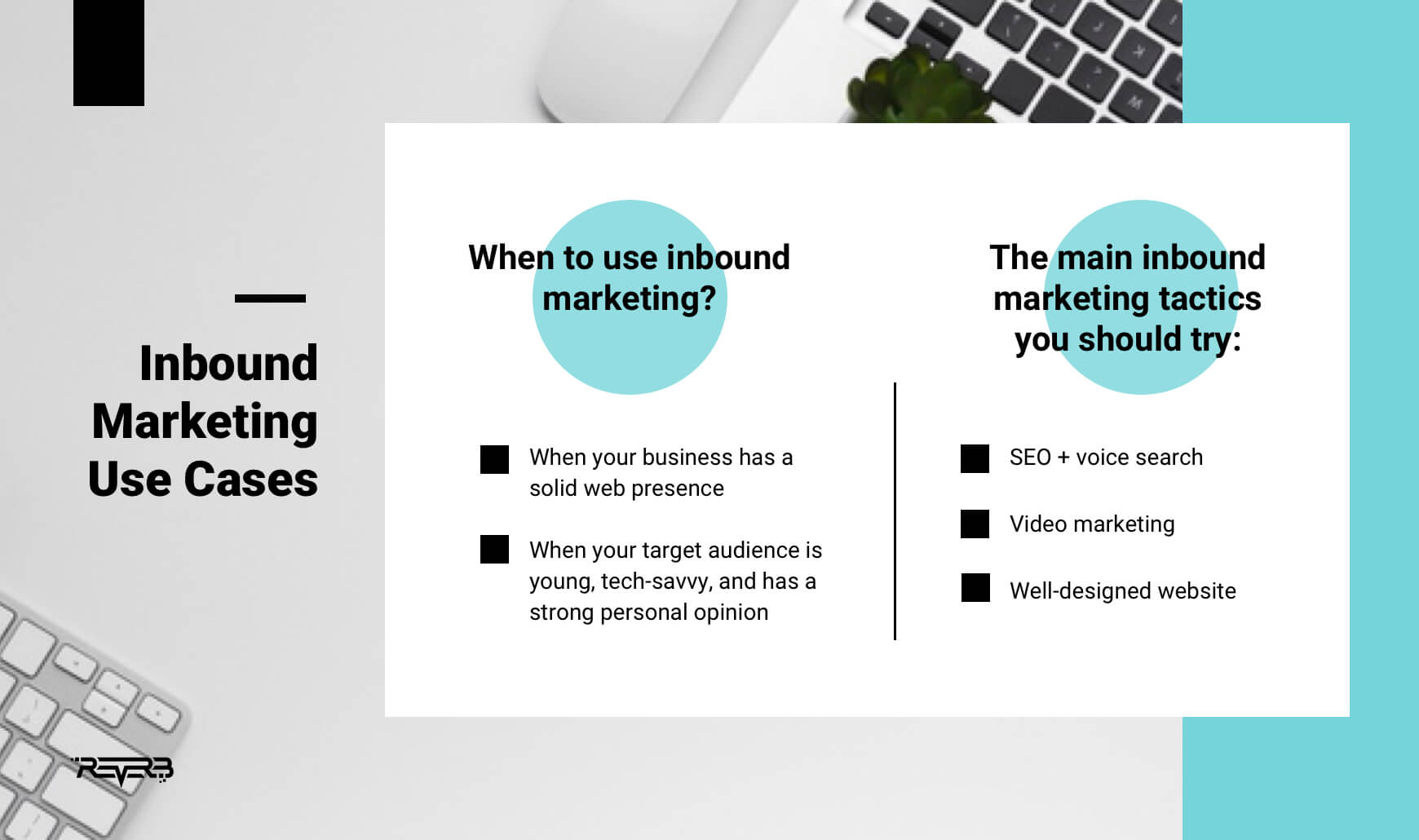
When should you use this approach?
There are two main cases when choosing between inbound marketing vs outbound marketing:
When your business has a solid web presence. For example, you will be unable to sell your app’s subscription without a strong digital presence in the channels we’ve mentioned above. Most likely, your competitors with nice sites, strong SEO, and active social media pages will attract potential customers sooner.
When your target audience is young, tech-savvy, and has a strong personal opinion. Inbound marketing is a perfect choice if your target audience is Millennials or GenZ. They don’t like to be advertised to; instead, they like to discover and get the highest-end experience online on their own.
The main inbound marketing tactics you should try:
Pay special attention to voice search since it’s one of the most trendy inventions that will enhance your inbound and outbound marketing tactics.
2. Try (or continue making the most out of) video marketing. Come up with some product/service videos and show them at the right stages of your sales funnel. Videos are another hot trend for business promotion and users adore them.
What’s more, video production services are quite affordable while the marketing opportunities that open up are almost unlimited.
3. Revise your website UI and UX. Your website is one of the main inbound marketing channels, so make sure it is good in terms of design, user interface and experience, lead generation, and converting capabilities.
Outbound Marketing – the Reverse Strategy That Also May Be Useful
So, what is special about outbound marketing, and who will win in the inbound vs outbound competition? Let’s review the second approach and decide.
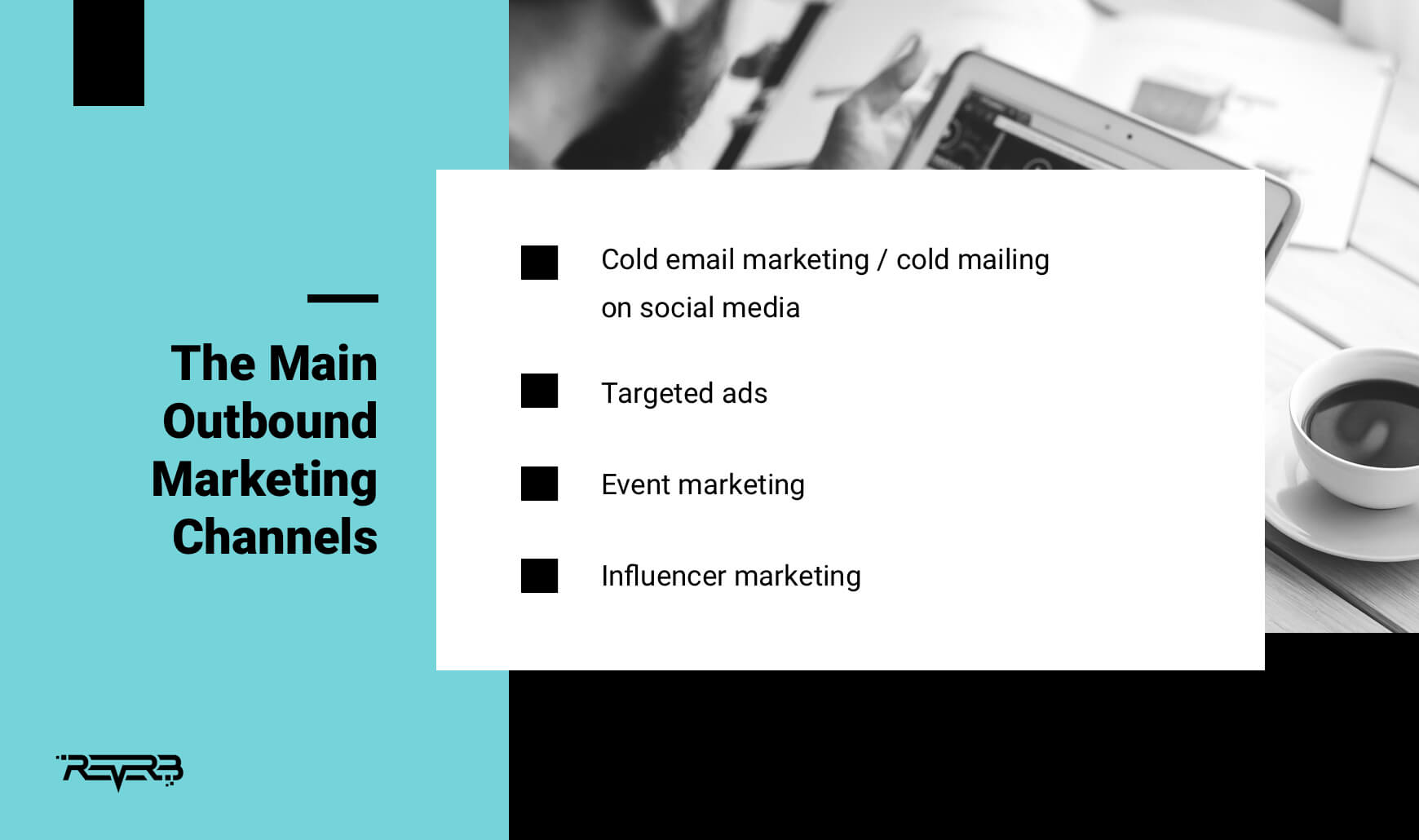
The main outbound marketing channels:
When using these channels, you are going to initiate the conversation with your users from your side, usually with no previous contact.
Cold email marketing / cold mailing on social media. Cold mailing started with spammy letters but now it has evolved into meaningful and personalized conversations with your users. Make sure that you send truly relevant and targeted messages, preferably, with a prior user’s consent.
At least, segment your audience by industries. More advanced targeted filters can be company size, age, gender, market, location, etc. Avoid common phrases and describe the unique values of your product/services, emphasizing how they can be applied to the recipients’ businesses.
Targeted ads. The next outbound marketing channel is using targeted ads as a part of your search engine marketing (SEM) strategy.
The greatest benefit of this tactic is that you can generate highly qualified leads from day 1 in a less annoying manner than in the case of cold mailing.
Event marketing. Event marketing is a powerful example of outbound marketing channels. You have an excellent opportunity to attract the attention of a wide range of people interested in growing their businesses and network with them during thematic business events. To capture these moments professionally, consider hiring an event photographer to document the highlights and create lasting impressions.
Leverage your networking potential by printing stylish business cards, installing a booth, or giving a speech.
Influencer marketing. Outreaching to your target group via influencer promotional campaigns is one more efficient outbound marketing strategy. Ask an influencer to review your product, share the promo code, or simply advertise your services.
It’s really not as hard as you may think. Use one of these free influencer marketing tools to find the public figures that match your industry and budget.
The main benefits of an outbound marketing approach:
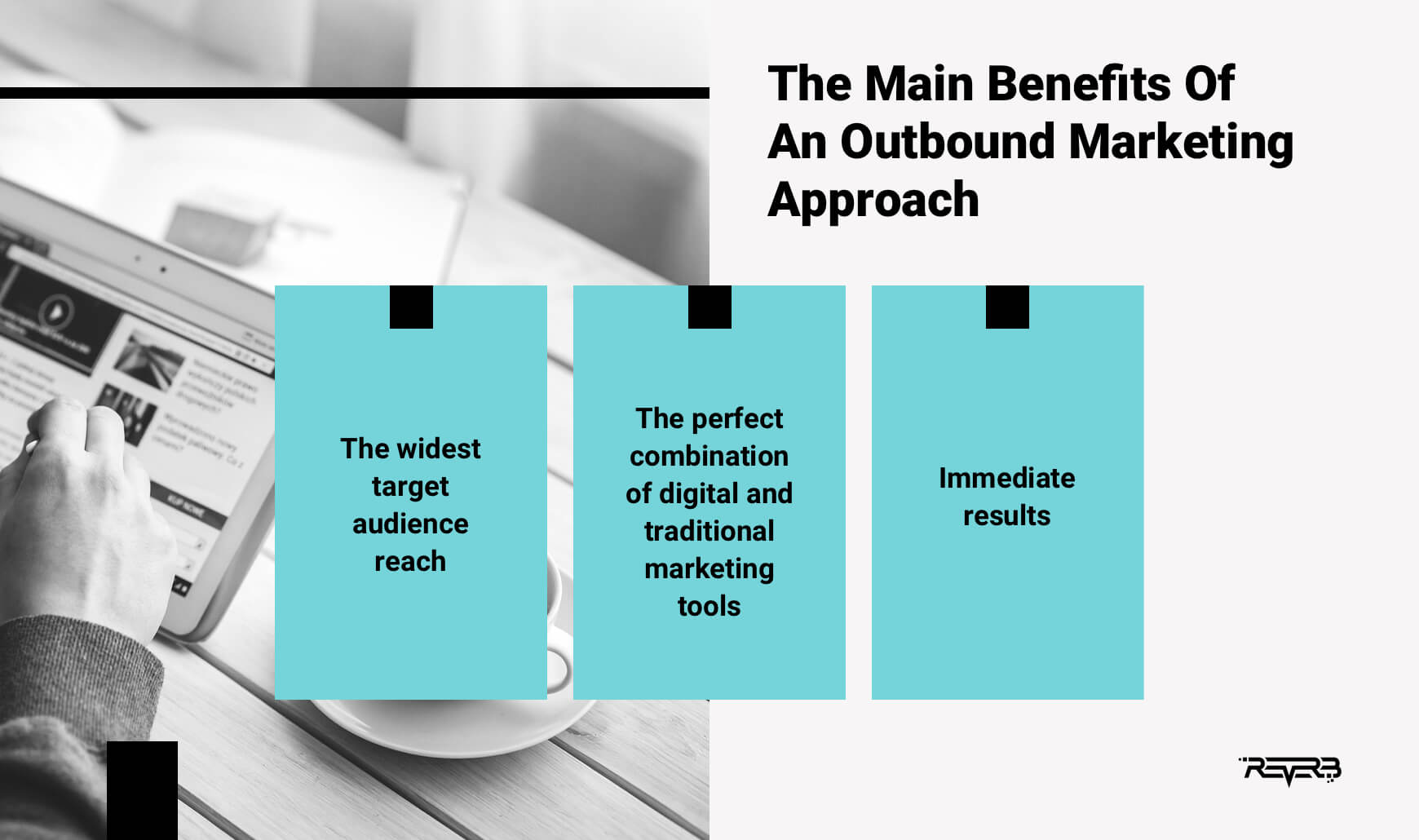
The widest target audience reach. When betting on outbound marketing, you get an opportunity to reach out to as many users as you can imagine or afford at once and with a single offer.
What’s more, in case of choosing paid advertising, the flexible settings of Google ads and social media ads allows for targeting potentially interested users only.
The perfect combination of digital and traditional marketing tools. Let’s suggest you are selling skincare products.
You may place a street banner ad with your product and ask an influencer to recommend it at the same time, combining traditional and digital marketing tools to get better results.
Immediate results. If we compare inbound marketing vs outbound marketing results delivery time, then, outbound marketing allows you to get the first conversions a lot faster since you make the first step towards the potential users.
Outbound marketing use cases:
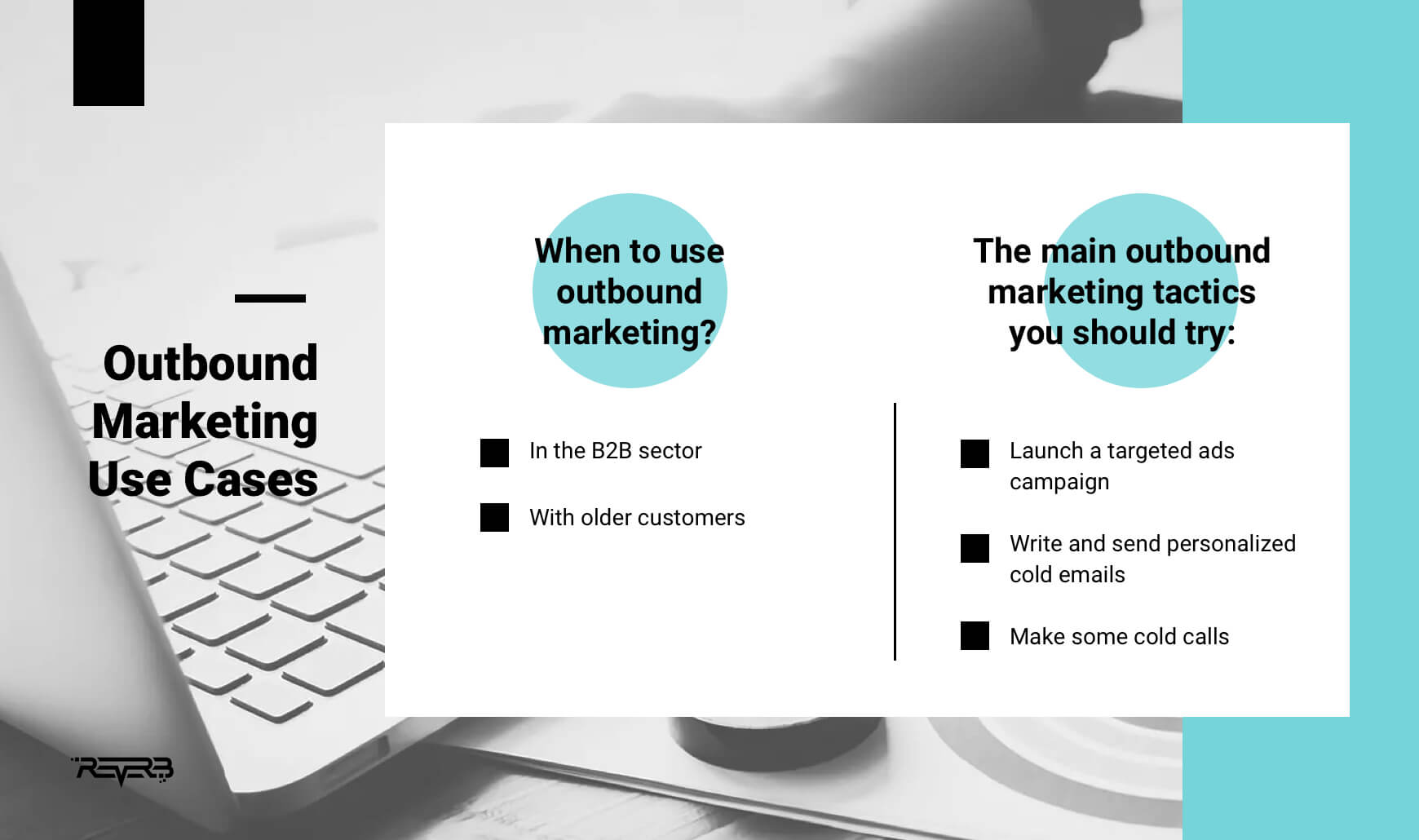
1. The B2B sector. B2B is considered a good business area for applying outbound marketing. Surely, companies regularly research the services they need on their own.
However, most business owners don’t mind being reached out to via emails, social media, or in-person to learn about additional ways to grow their business. Thus, the listed outbound marketing tactics can be perfectly combined with your other B2B marketing strategies.
2. Older customers. For senior customers, listening to TV ads, reading news, and going through the catalogs are the main ways to get relevant offers.
Reinforce your outbound marketing efforts with the following tactics:
1. Launch a targeted ads campaign. Setting up the campaign for the first time may be challenging, however, you will be able to get a quick influx of traffic and get some leads right off the bat. Feel free to use our practice-proven tips to search engine marketing strategy.
3. Make some cold calls. No, you shouldn’t be skeptical about this method. According to statistics, 41.7% of sales reps consider IP telephony to be their top-selling tool, and 27% of them believe in the effectiveness of cold calling. So give it a try.
Inbound And Outbound Marketing Examples
Inbound Marketing Examples
A software company publishes in-depth guides that rank on Google and capture newsletter sign-ups.
A consultancy offers a free checklist or template in exchange for an email address, then nurtures those leads by email.
A retailer builds an engaged social media community that shares its content and product tips.
A B2B brand hosts webinars that answer common buyer questions and turns attendees into sales conversations.
Outbound Marketing Examples
A sales team sends personalized cold emails and makes follow-up calls to a list of target accounts.
A brand runs paid search, display or social ads to reach a defined audience quickly.
A local business mails printed flyers or runs radio spots in its service area.
A manufacturer exhibits at trade shows to meet buyers in person.
How To Combine Inbound And Outbound
Most businesses get the best results when the two approaches support each other rather than compete. A few practical ways to combine them:
Use outbound to seed inbound. Promote your best content with paid ads or outreach so it reaches an audience while it is still building organic visibility.
Use inbound content to warm up outbound. Link helpful articles, case studies or guides in cold emails so prospects get value before a sales call.
Retarget inbound visitors. Show ads to people who have already visited your site or read your content, so paid budget goes to warmer audiences.
Share data between teams. Search and content insights show sales what prospects care about, and sales conversations show marketing which topics to write about next.
Plan by funnel stage. Inbound is strong for awareness and education, while outbound is useful for reaching specific accounts and speeding up decisions.
For a structured approach to the inbound side, see our guide to building an SEO content strategy. If you sell to consumers, our B2C marketing guide explains how these channels apply to consumer audiences.
Frequently Asked Questions
What is the difference between inbound and outbound marketing?
Inbound marketing attracts people who are already looking for information, using content, SEO and social media so they come to you. Outbound marketing reaches out to people directly through ads, cold outreach, events and traditional media, whether or not they are actively searching. Inbound tends to build trust over time, while outbound delivers faster but more interruptive exposure.
Is SEO inbound or outbound marketing?
SEO is inbound marketing. It makes your content and pages visible to people who are already searching for related topics, so they find you on their own. Paid search ads use the same search results but are usually counted as outbound or paid marketing, because you pay to place the message in front of the user.
Which is better for B2B?
Most B2B companies benefit from using both. Inbound content, SEO and webinars build credibility with buyers who research heavily before they talk to sales, while outbound outreach and targeted ads help reach specific decision makers and shorten long sales cycles. The right mix depends on your deal size, sales cycle and how many target accounts you have.
Conclusion
Although we’ve managed to draw a line between inbound vs outbound marketing, sometimes the difference is not quite clear. Industry, business specifics, product category, stage of company development, and user requirements may puzzle you with a question of what strategy to choose.
In this case, you may need help from a reliable marketing services vendor with a lot of practical experience in working with both inbound and outbound marketing directions. So, feel free to contact us (yes, this article is also an inbound marketing example) to get instant support!