Nice To E-Meet You!


    What marketing services do you need for your project?

    Database monitoring, backup, modeling and analytics tools, compared side by side

    Rankings of database monitoring, backup, security, data modeling, governance, analytics and migration tools, plus guides and comparisons for DBAs and data teams. New pieces appear here as soon as they’re published.

    • 56 Guides and ranked lists

    Database monitoring and performance

    All 7

    SQL Server, MySQL and multi-engine monitoring tools ranked on query tuning depth, coverage, deployment and pricing.

    Backup, security and compliance

    All 8

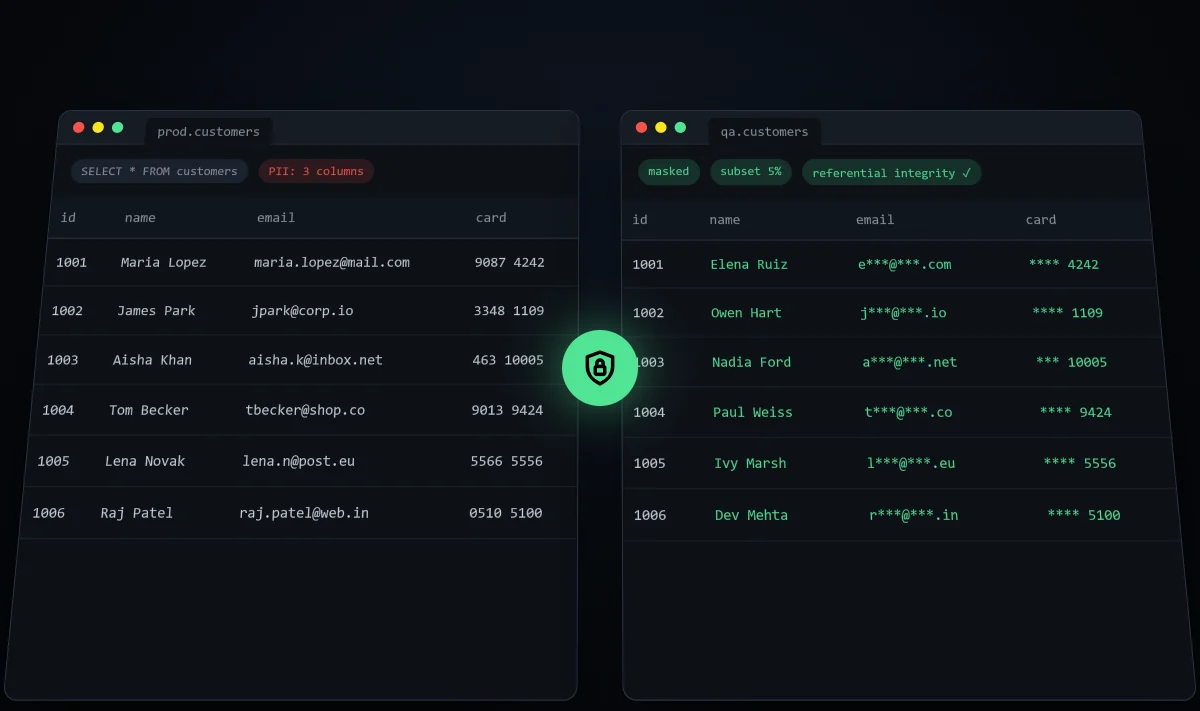
    Backup and recovery software, database activity monitoring and audit tools for protecting production data.

    Data modeling, governance and warehousing

    All 8

    Data modeling suites, data catalogs and governance platforms, and the tools that automate warehouse builds.

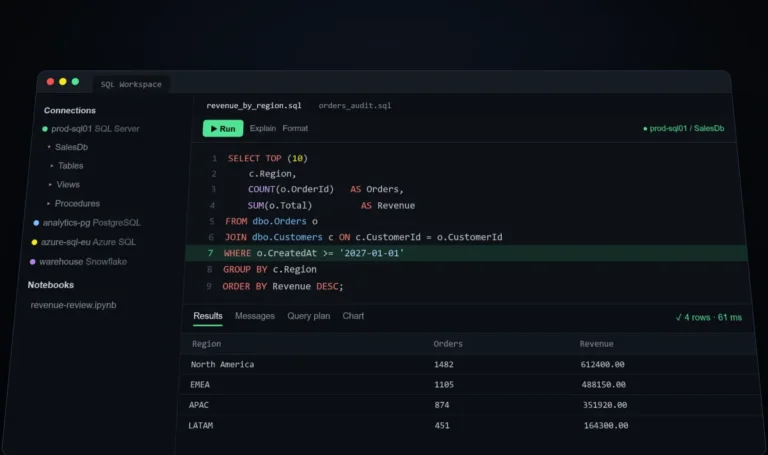
    Database IDEs and AI SQL tools

    All 7

    SQL clients and IDEs for developers and DBAs, plus AI assistants that write and tune SQL.

    Data integration, replication and migration

    All 5

    Tools that move data between systems, from ServiceNow replication and ETL to Microsoft 365 and Google Workspace migrations.

    Analytics and BI

    All 14

    Embedded analytics platforms, BI tools and the consulting firms that implement them.

    Show 5 more Show less

    Data platform partners

    All 10

    Snowflake, Databricks, SQL development and data engineering firms that build and run modern data platforms.

    Show 2 more Show less

    Ranked Lists

    Compare database and data management tools

    Our editorial rankings of database monitoring, backup, security, modeling, analytics and migration tools.

    Common questions

    What is the difference between database monitoring and database observability tools?

    Database monitoring tools focus on the database engine itself: wait statistics, blocking, query plans, index use and capacity. Observability platforms collect metrics, logs and traces across the whole stack and treat the database as one component. DBA teams tuning a large SQL Server or MySQL estate usually want a dedicated monitor, while operations teams that need one view of applications and infrastructure often start with an observability platform.

    Do I need a separate backup tool for SQL Server?

    Not always. SQL Server has native backup and can back up to Azure storage. Dedicated tools add compression, encryption, centralized scheduling across many instances, faster restores and object-level recovery. Organizations that already run an enterprise backup platform often protect SQL Server there, while DBA-led teams frequently prefer a SQL Server specialist tool.

    What does a data modeling tool do?

    A data modeling tool lets teams design conceptual, logical and physical models of their data, enforce naming standards, reverse engineer existing databases and generate DDL for the target platform. Enterprise suites add shared repositories, business glossaries and integrations with data catalogs so model definitions feed governance.

    Should I pick a database IDE or the free tool from my database vendor?

    Vendor tools such as SQL Server Management Studio or MySQL Workbench are free and fit teams that work mostly on one engine. Cross-platform IDEs are worth paying for when developers connect to several database engines, want stronger code completion and refactoring, or need AI assistance built into the editor.

    Build database or data management tools?

    Get your company considered for ReVerb's database and data tool rankings.

    Submit your company